The vast global presence of the United States Air Force is anchored in part by Cold War-era air bases that, decades later, continue to serve frontline military functions. Constructed or expanded during one of the most perilous periods in modern history, these bases were designed for nuclear deterrence, global reconnaissance, and rapid-response defense. Today, they form a living architecture of American military readiness, seamlessly blending historic strategic infrastructure with modern technology and missions.
Minot Air Force Base: America’s Nuclear Watchtower
Located in the flat expanse of North Dakota, Minot Air Force Base remains one of the most critical installations shaped by Cold War tensions. Activated in 1957 during the apex of Strategic Air Command’s expansion, Minot was selected for its geographic isolation and expansive airspace—an ideal location for both nuclear-capable B-52 bombers and a vast network of Minuteman ICBM silos.
Minot’s dual-role mission, encompassing both air-launched and ground-based strategic deterrents, positioned it at the epicenter of US nuclear readiness. Aircraft and missile crews were held on continuous alert during the Cold War, prepared for immediate response to a potential Soviet strike.
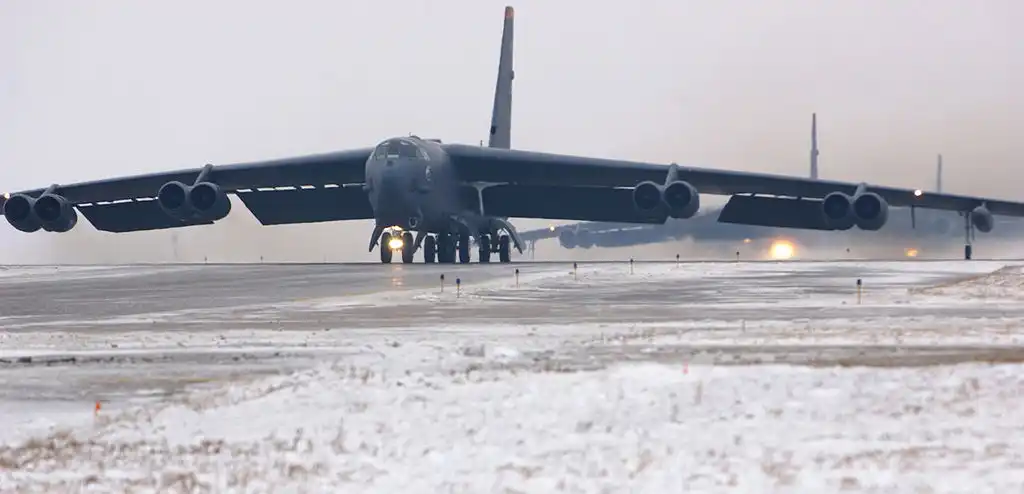
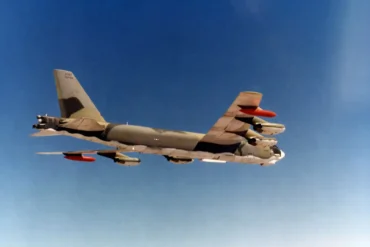
Today, that mission persists nearly unchanged. The base continues to house B-52H Stratofortress bombers, updated with advanced avionics and weapons systems, under the umbrella of Air Force Global Strike Command. Meanwhile, the 91st Missile Wing maintains and secures Minuteman III intercontinental ballistic missiles, reinforcing America’s nuclear triad. Even the base’s UH-1N helicopters, designed for missile site security, recall the operational logic of Cold War planning. While decades have passed, Minot’s singular purpose—strategic deterrence—remains fixed.
Barksdale Air Force Base: Command Center of Long-Range Power
In the subtropical climate of Louisiana, Barksdale Air Force Base has mirrored Minot’s strategic significance since the Cold War’s height. Although activated earlier in the 1930s, Barksdale was dramatically transformed during the Cold War into a core base for Strategic Air Command (SAC) operations.
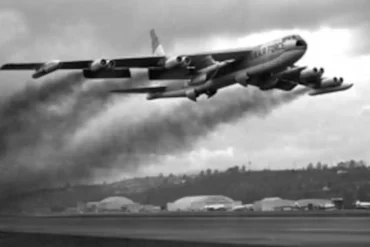
Equipped initially with B-47 Stratojets and later B-52 bombers, Barksdale served as a key site for nuclear alert rotations, especially during crises like the Cuban Missile Crisis of 1962. Aircraft stood ready at a moment’s notice to deliver retaliatory or preemptive strikes deep into Soviet territory.
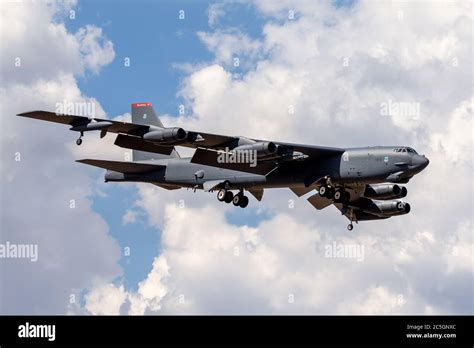
Today, Barksdale remains one of only two permanent homes for the B-52 fleet. It also hosts the E-4B National Airborne Operations Center, colloquially known as the “doomsday plane,” built to ensure command survivability during a nuclear event. The base’s infrastructure—hardened shelters, alert facilities, and command bunkers—was shaped by Cold War fears, and continues to support modern deterrence doctrine.
Whiteman Air Force Base: Stealth Born in Cold War Shadows
Though originally activated during WWII, Whiteman Air Force Base in Missouri emerged as a stealth strike center as Cold War strategy evolved. In the 1950s, the base was integrated into the SAC bomber dispersal program, a plan designed to minimize vulnerability by spreading strategic bombers across multiple bases.
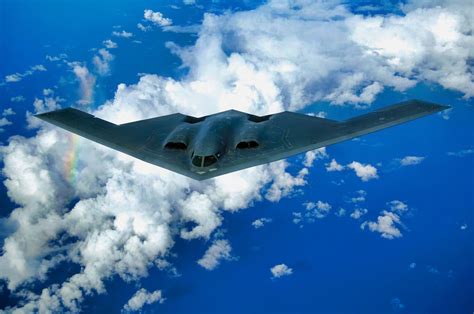
Whiteman’s transformation culminated in the 1980s, when it was selected to host the B-2 Spirit stealth bomber. This selection was no coincidence—Cold War planners understood the need for bombers capable of evading increasingly sophisticated Soviet air defenses.
Today, Whiteman remains the sole operating base of the B-2, housing not just aircraft but the support structure for stealth operations, including secure hangars, climate-controlled shelters, and deep maintenance capabilities. The base is central to the US ability to penetrate denied airspace, and its Cold War-born design enables operations of one of the world’s most advanced and secretive aircraft.
Beale and Offutt: Intelligence From the Cold Sky
The Cold War was as much a war of information as it was of firepower. Beale Air Force Base in California and Offutt Air Force Base in Nebraska were designed and shaped with intelligence dominance in mind.
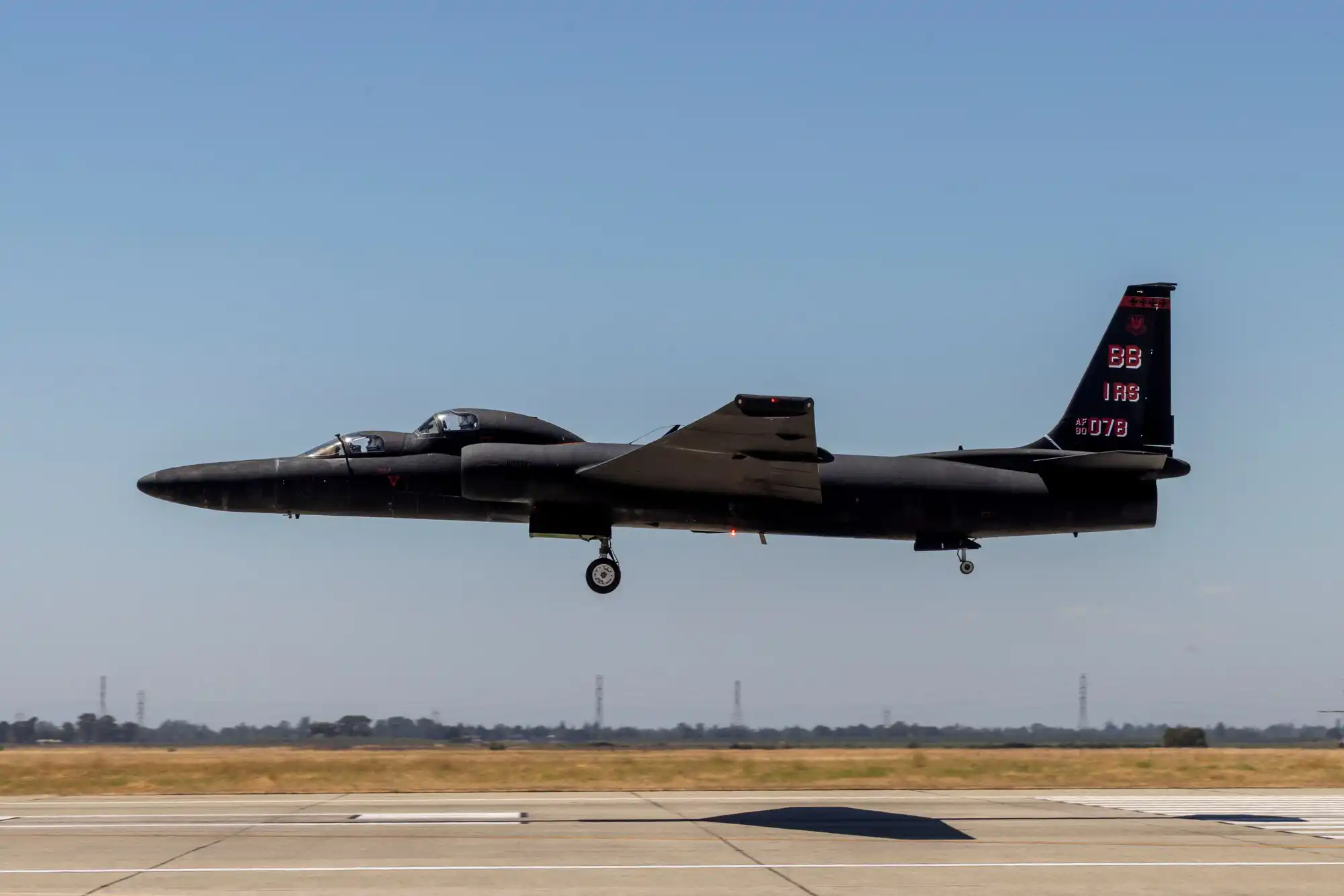
Beale, transferred to the USAF in 1948, became home to some of the world’s most iconic spy planes. The U-2 Dragon Lady, capable of flying above 70,000 feet, and the SR-71 Blackbird, with unmatched speed and altitude, operated from its runways. These aircraft provided near-real-time strategic intelligence during some of the Cold War’s most sensitive periods, including crises in Cuba, Vietnam, and Eastern Europe.
Offutt, meanwhile, operated as the nerve center of Strategic Air Command, coordinating nuclear operations and later becoming the headquarters of United States Strategic Command (USSTRATCOM). Its role in global surveillance, command, and control continues today, with RC-135 Rivet Joint reconnaissance aircraft still flying from its ramps.
Beale’s U-2s and Global Hawks now conduct ISR (Intelligence, Surveillance, and Reconnaissance) missions worldwide, while Offutt oversees the nuclear command structure. Their Cold War infrastructure, meticulously hardened and compartmentalized, supports the cyber and space-centric missions of today’s strategic landscape.
Elmendorf and Nellis: Cold War Fighters and Tactical Evolution
Positioned on the edge of the Arctic frontier, Elmendorf Air Force Base in Alaska served as a Cold War interceptor bastion. Activated in 1951, its strategic location allowed rapid response to Soviet bomber threats approaching over the polar route. As part of NORAD, Elmendorf hosted F-102 and F-106 interceptors, radar stations, and communication nodes designed to protect North America from nuclear incursion.
Operating in extreme conditions, Elmendorf personnel trained to launch fighters within minutes of detection. The base’s emphasis on constant readiness in sub-zero conditions mirrored the broader Cold War posture of vigilance and deterrence.
Today, Joint Base Elmendorf-Richardson is home to F-22 Raptors, among the most advanced fighter aircraft in the world, as well as C-17 transports critical to Arctic mobility and power projection.
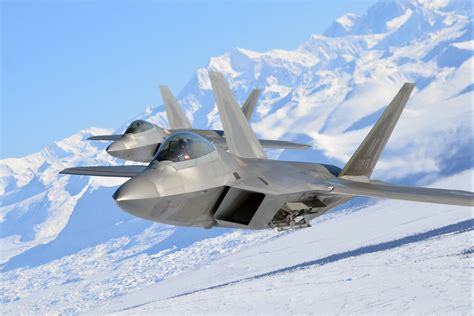
In stark contrast, Nellis Air Force Base in Nevada became the intellectual and tactical brain trust of USAF air combat strategy. Though active before the Cold War, Nellis rose in prominence during the 1950s–70s as the USAF created simulated adversary programs to mimic Soviet aircraft and tactics. This culminated in the creation of Red Flag, a high-intensity combat training exercise designed to expose pilots to realistic combat conditions before facing live battle.
Nellis remains the premier fighter tactics and weapons school, home to the USAF Weapons School, Aggressor Squadrons, and a central hub for developing doctrine against near-peer threats—a mission born of Cold War exigencies.
Columbus and Laughlin: The Quiet Backbone of Cold War Pilot Training
Not every Cold War base was intended for combat. The prolonged standoff with the Soviet Union demanded a constant flow of highly trained aviators, and several airfields across the United States were designated as pilot training hubs.
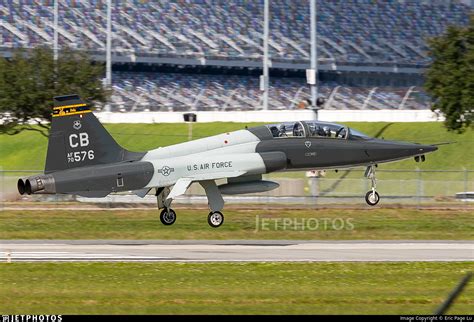
Columbus Air Force Base in Mississippi and Laughlin Air Force Base in Texas both expanded significantly during the 1950s to accommodate the need for rapid and standardized flight instruction. Designed to handle high sortie rates with little downtime, these bases offered a streamlined pilot pipeline that powered America’s Cold War air dominance.
Their flight lines saw thousands of cadets pass through during the Cold War. Today, they remain integral to Air Education and Training Command (AETC), training new pilots on aircraft that trace their design lineage to Cold War systems.
Legacy in Infrastructure: Cold War Design Supporting Modern Airpower
What sets these bases apart is not just their longevity, but their adaptability. Cold War construction emphasized redundancy, survivability, and rapid sortie generation. From blast-hardened command bunkers to parallel taxiways and dispersed hangars, the architecture of these airfields was designed to survive first strikes and continue operations under duress.
This design ethos persists in their current roles. Whether launching stealth bombers, refueling strategic reconnaissance flights, or commanding nuclear forces, the layouts and infrastructure of these bases have needed minimal modification to meet modern mission requirements.
As the US Air Force transitions to next-generation systems like the B-21 Raider, the NGAD (Next Generation Air Dominance) program, and autonomous ISR platforms, these Cold War airfields are being retrofitted—not replaced—to accommodate the future of airpower.
Conclusion: Cold War Echoes in the Jetstream of Today
Decades after the Iron Curtain fell, the Cold War’s architectural and strategic legacy remains etched into American military infrastructure. The air bases that once braced for doomsday are today launching aircraft into new domains—cyber, space, and near-peer competition. The geostrategic rationale that led to their construction may have shifted, but the readiness culture, design philosophy, and mission essentiality remain undiminished.
From the windswept plains of Minot to the heat-hardened tarmac of Nellis, Cold War air bases continue to anchor American air dominance. Their stories are not relics of the past, but blueprints for the future.