Greenland’s remote, frozen expanse hides one of the most chilling legacies of the Cold War—a nuclear secret entombed in ice since 1968. As the Arctic’s geopolitical importance surges in the 21st century, the story of a lost U.S. nuclear bomb and a devastating bomber crash resurfaces with renewed urgency.
Greenland’s Strategic Significance in U.S. Military Doctrine
Greenland has long been seen as more than a vast, frozen island. Its strategic location, midway between Washington, D.C. and Moscow, made it a linchpin of American Cold War military planning. As early as 1946, the United States made attempts to purchase Greenland, recognizing its value as a staging ground for operations against the Soviet Union. The efforts were rebuffed, but access was secured through diplomacy.
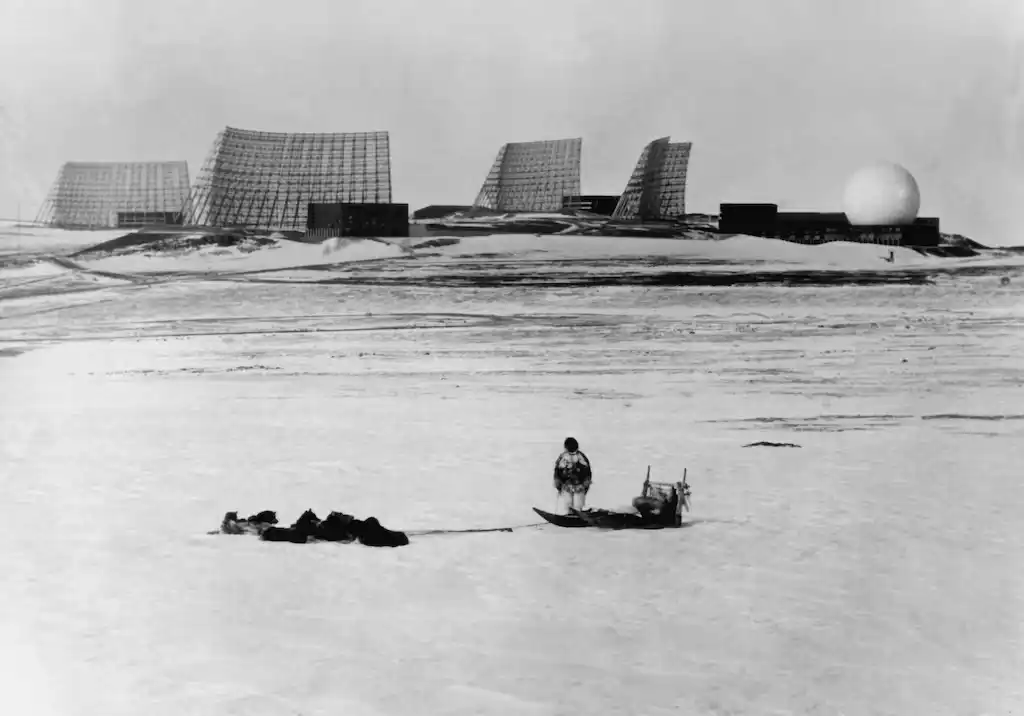
In 1951, the U.S.-Danish Defense Agreement gave the U.S. sweeping control over Greenland’s territory and airspace. The agreement paved the way for the establishment of Thule Air Base—today known as Pituffik Space Base—in northwest Greenland. Officially, Denmark maintained a policy against the peacetime storage of nuclear weapons. Unofficially, a secret arrangement between Danish and American officials allowed nuclear warheads to be housed on Danish territory in violation of national policy.
Nuclear Arms in the Arctic: From Secrecy to Strategic Deterrence
Beginning in 1957, Denmark’s Prime Minister Hans Christian Hansen discreetly authorized the storage of nuclear weapons at Thule. By 1958, the U.S. Strategic Air Command (SAC) had stationed two Mark 6 atomic bombs, two MK 36 thermonuclear weapons, and other nuclear components at the base. Though this initial storage was short-lived, the nuclear legacy endured.
Between 1958 and 1965, the U.S. maintained a stockpile of 48 nuclear warheads for Nike-Hercules surface-to-air missiles at Thule. There were also suspicions of deployments of nuclear-tipped Falcon missiles, though records remain incomplete. More concerning were the nuclear-armed B-52 bombers routinely flying missions over Greenland under the shadowy Operation Chrome Dome.
Operation Chrome Dome: America’s Nuclear Insurance Policy
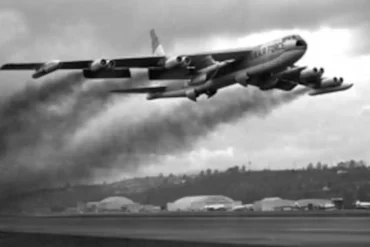
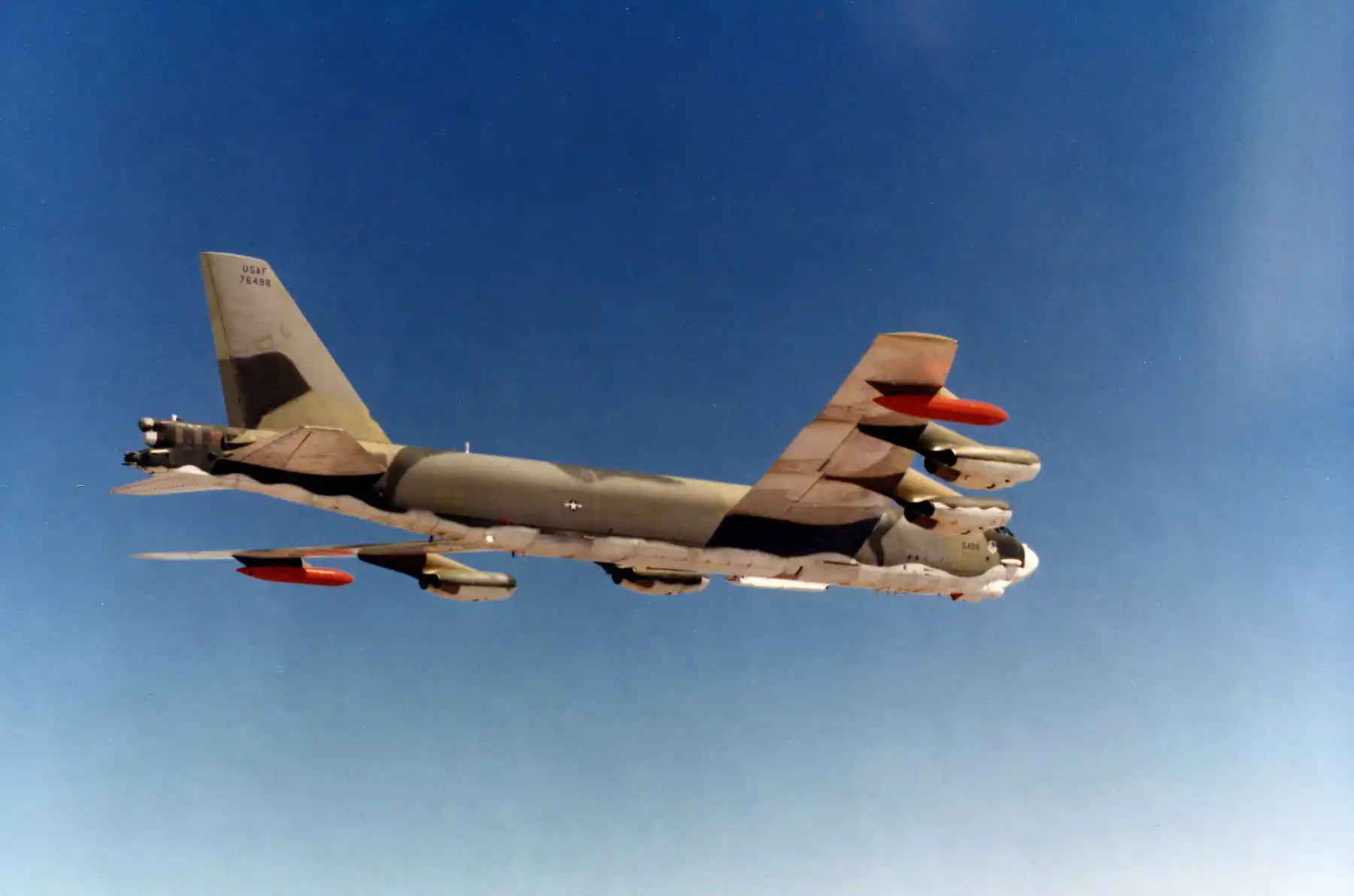
During the height of the Cold War, the U.S. feared a Soviet first-strike that could decimate its bomber fleet on the ground. In response, SAC maintained nuclear-armed bombers airborne 24/7. By the early 1960s, these B-52 Stratofortresses circled the Arctic as part of the Airborne Alert Program. Known as Operation Chrome Dome, these missions ensured that bombers would be ready to retaliate in case of a surprise Soviet attack.
Up to 12 nuclear-armed aircraft were airborne at any given time, with two overflying Greenland daily. An additional plane, tasked with continuous visual surveillance of Thule as part of Operation Hard Head, loitered overhead. This delicate balance of power and preparedness set the stage for catastrophe.
The 1968 B-52 Crash: A Nuclear Nightmare on the Ice
On January 21, 1968, a U.S. Air Force B-52G bomber, call sign HOBO 28, took to the skies carrying four hydrogen bombs as part of a routine Chrome Dome mission. Disaster struck when foam cushions, mistakenly placed over a heating vent, ignited mid-flight. Smoke engulfed the cockpit. Unable to regain control, the crew was forced to eject.
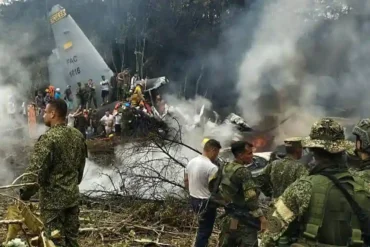
Six of the seven airmen survived, parachuting into the frozen void. The plane plummeted into the Wolstenholme Fjord, just seven miles west of Thule Air Base, smashing into the ice and unleashing a radioactive plume across the Arctic.
The Nuclear Fallout: A Cold War Catastrophe
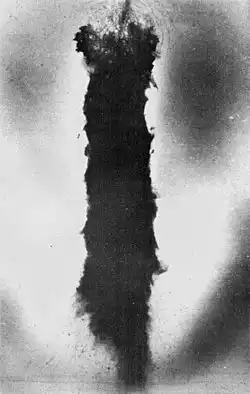
Though no nuclear detonation occurred, the crash shattered the bombs’ casings, scattering plutonium, uranium, and tritium over several miles. The ensuing contamination posed an enormous environmental and diplomatic crisis. The incident occurred just 48 hours before a Danish national election, and the U.S. Embassy warned Washington of potential political fallout.
Though Danish leaders may have been aware of the nuclear flights, the public was kept in the dark. The revelation triggered outrage, revealing the depth of secrecy maintained by both Washington and Copenhagen.
Crested Ice: The Arctic Cleanup Operation
In the wake of the crash, the United States halted all nuclear overflights over Greenland. Attention turned to an unprecedented Arctic salvage and decontamination effort. Denmark demanded the U.S. recover not only the wreckage but also the contaminated ice, fearing long-term environmental damage.
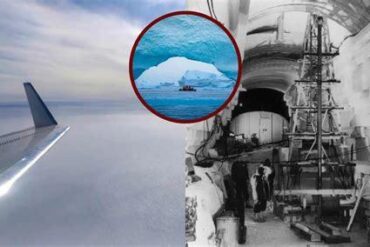
The U.S. reluctantly agreed, launching Project Crested Ice. Teams rushed to collect every fragment of the aircraft and radioactive debris before the spring thaw melted the fjord. Time was critical—once the ice softened, the wreckage could sink to the 800-foot depths, becoming irretrievable.
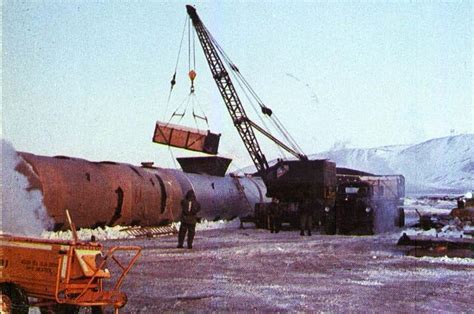
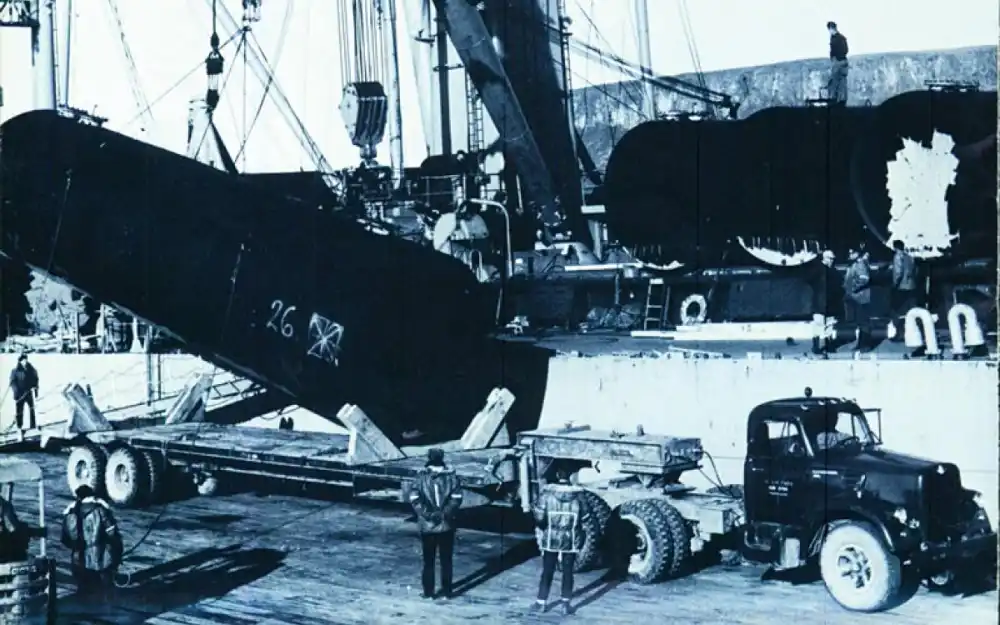
Hundreds of workers loaded radioactive ice into sealed steel tanks. These were shipped to South Carolina’s Savannah River Site, while bomb debris was sent to Pantex Plant in Texas. Though most components were recovered, one crucial part remained missing: a secondary-stage nuclear cylinder containing uranium and lithium deuteride.
While experts asserted that this fusion component could not detonate without its primary stage, its loss left a chilling uncertainty beneath the Arctic ice. To this day, it is believed to remain buried somewhere beneath Greenland’s permafrost, an unresolved echo of Cold War brinkmanship.
A Legacy of Secrecy and Strategic Obsession
The 1968 crash crystallized the conflicting values of democratic transparency and national security. The Danish government’s complicity, concealed from its people, sparked decades of debate about sovereignty and military ethics. The United States, in turn, demonstrated its willingness to skirt international agreements in the name of deterrence.
The episode also reshaped U.S. policy. Airborne Alert missions were permanently suspended over Greenland following the incident. But Greenland’s significance never faded. From Nazi submarines during World War II to Russian ambitions in the 21st century, the island remains at the nexus of great power competition.
Ghosts of the Cold War in a Warming Arctic
In recent years, Greenland has re-entered the global spotlight. In 2019, President Donald Trump made headlines with an audacious—and ultimately rebuffed—proposal to purchase Greenland, citing its strategic military importance. While the notion was ridiculed in global media, it reflected a persistent truth: Greenland is a critical chess piece in the game of Arctic dominance.
As melting polar ice opens new shipping lanes and reveals untapped resources, the Arctic has become a theater of renewed rivalry between the United States, Russia, and China. The buried nuclear ghost of HOBO 28 symbolizes not just Cold War recklessness but also the enduring stakes of Arctic control.
What lies beneath Greenland’s ice is more than frozen earth—it is a geopolitical powder keg of history, secrecy, and ambition. Whether the lost warhead will ever be recovered remains unknown. But its legacy, like the Arctic itself, is thawing into relevance once more.