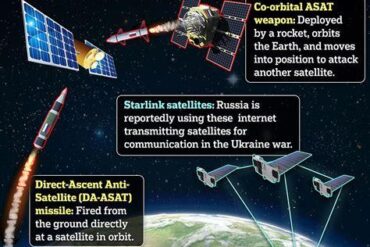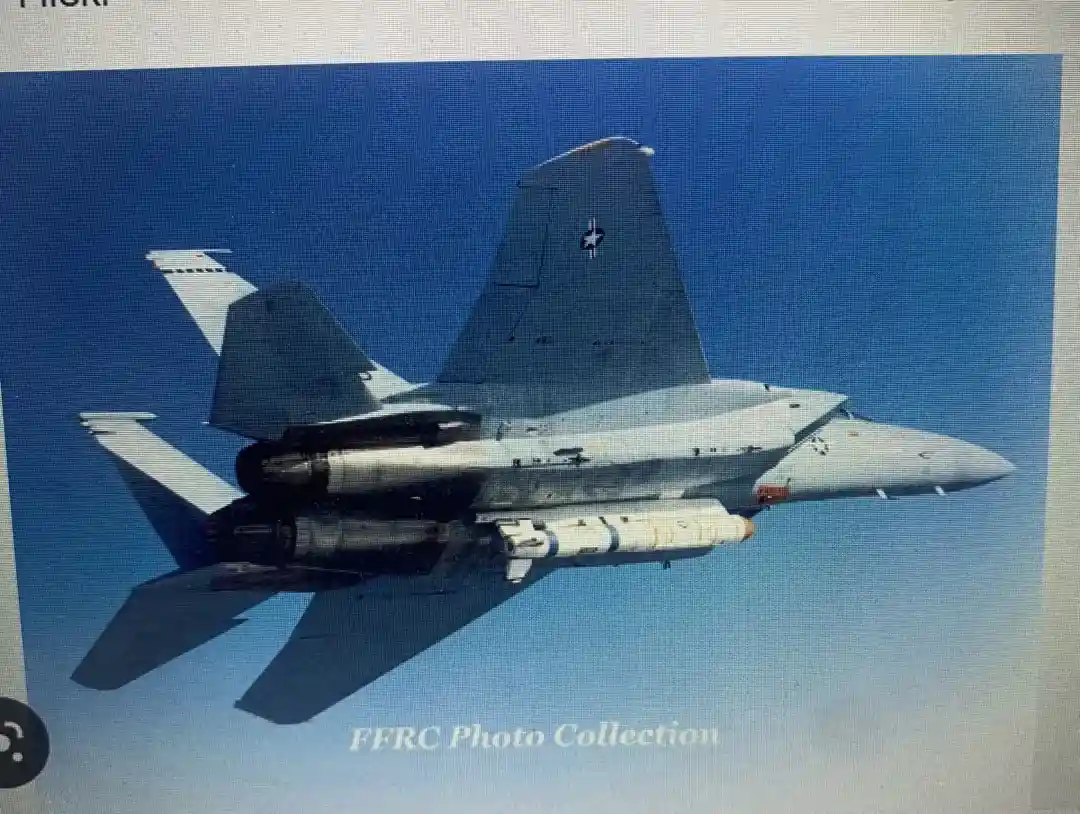
The F-15 ASAT and the ASM-135A Anti-Satellite (ASAT) missile represent one of the most unique and ambitious efforts by the United States during the Cold War to develop advanced space warfare capabilities. These systems were designed to target and destroy enemy satellites in low Earth orbit (LEO), leveraging cutting-edge technologies from the aerospace and defense industries. This article delves into the historical background, technological advancements, operational testing, and legacy of the F-15 ASAT and the ASM-135A missile.
Development Background and Technological Characteristics of the F-15 ASAT System
Cold War Imperatives
The Cold War era saw rapid advancements in satellite technology, particularly by the Soviet Union, which launched the RORSAT (Radar Ocean Surveillance Satellite) and other surveillance satellites powered by nuclear reactors. The Soviets also made strides in “killer satellite” technology, capable of engaging and destroying orbiting satellites. In response to these developments, the United States accelerated its own efforts to develop a comprehensive Anti-Satellite (ASAT) weapon system.
In 1978, the ASM-135A project was initiated under the leadership of LTV Aerospace. This missile was conceived as a replacement for earlier, less refined ASAT systems such as the Thor missile, which relied on nuclear warheads and carried a high risk of collateral damage. The goal of the ASM-135A was to provide a precise, low-collateral damage solution capable of targeting and destroying enemy satellites using kinetic energy rather than explosives.
Design of the ASM-135A Anti-Satellite Missile
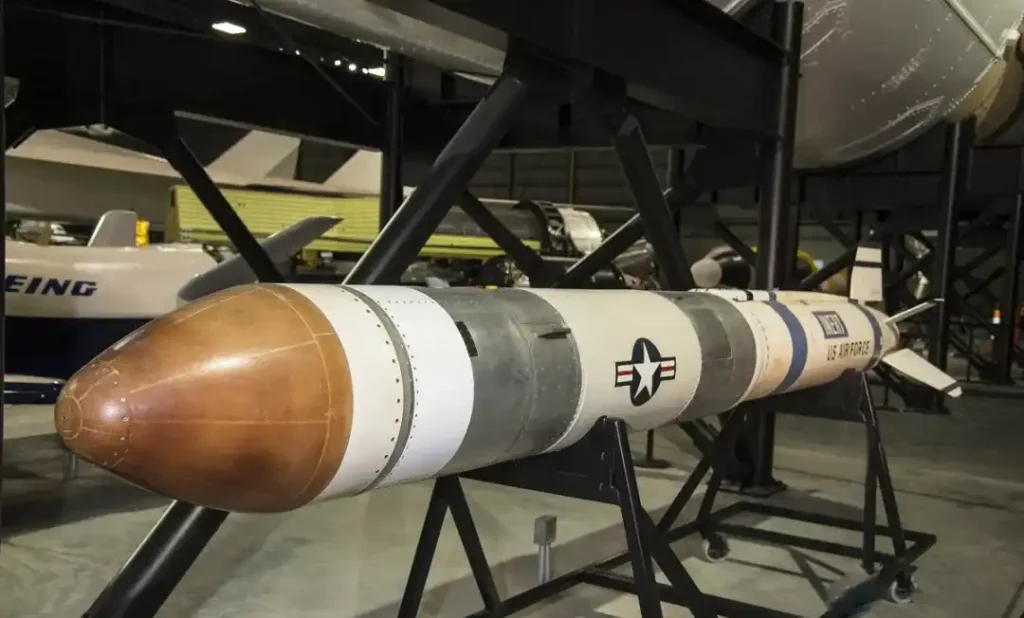
The ASM-135A was a multi-stage missile designed to launch from an F-15 fighter jet. Its structure was carefully engineered to achieve high performance and precision targeting at extreme altitudes and speeds. The missile featured a three-stage rocket configuration:
- Stage 1: This stage utilized the AGM-69 SRAM (Short-Range Attack Missile) rocket engine, a proven system used for missile defense, to help the missile break through the Earth’s atmosphere.
- Stage 2: The Altair III solid rocket engine powered the second stage, providing a thrust of 6,000 pounds to adjust the missile’s flight trajectory toward its satellite target.
- Stage 3: The Kinetic Kill Vehicle (MHV) was the final stage, designed to destroy the satellite by high-speed impact. This kinetic impactor did not rely on explosives but instead depended on its own kinetic energy to obliterate the target upon impact, reaching speeds of up to 36,000 feet per second.
The missile’s guidance system combined infrared sensors and laser gyroscopes for unparalleled precision. These sensors required extremely low temperatures, necessitating the use of liquid helium cooling systems to maintain operational readiness.
F-15 Fighter Jet Modifications
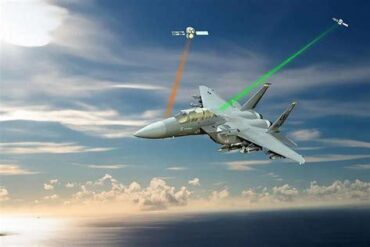
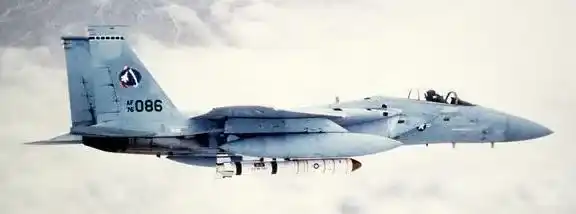
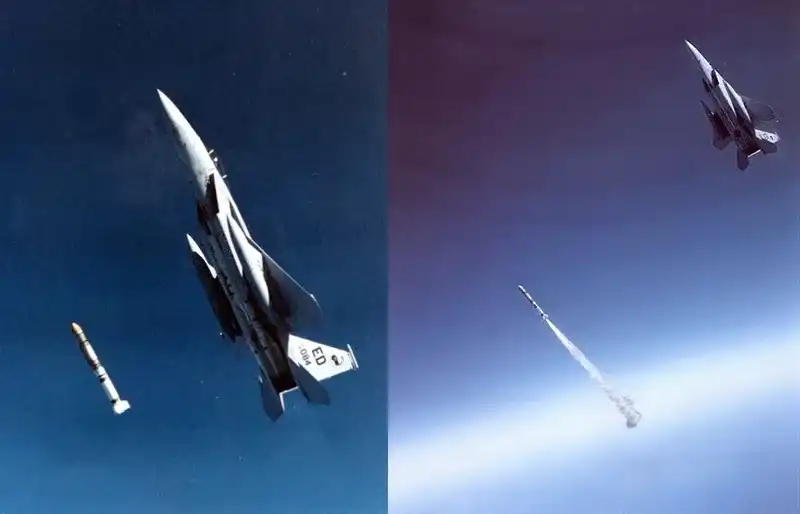
In order to deploy the ASM-135A missile, the F-15 fighter jet was extensively modified. Key upgrades included the installation of a dedicated centerline pylon to carry the missile and modifications to the environmental control system (ECS) to ensure that the sensitive systems could function at the high altitudes required for the missile’s launch. The F-15 used a special zoom-climb maneuver to release the missile, climbing to an altitude of 80,000 feet at speeds of up to Mach 2.3 before releasing the missile into the near-vacuum of space.
This maneuver maximized the missile’s range and allowed it to target satellites at extreme altitudes while minimizing air resistance and improving guidance accuracy.
Test and Operational Results
Key Testing Milestones
The F-15 ASAT system underwent a series of rigorous tests throughout the 1980s. One of the most significant events in the program’s history was the first test launch on January 21, 1984, when an F-15 launched the ASM-135A missile over the Pacific Ocean without a target. The missile performed well during this initial test, proving the viability of launching an ASAT missile from a fighter aircraft.
However, the program’s most notable achievement came during the only combat test of the system, which took place on September 13, 1985. In this operation, Major Pearson piloted an F-15A (serial number 77-0084) and launched the ASM-135A missile to successfully destroy the decommissioned Solwind P78-1 satellite. This event marked the first time in history that a fighter aircraft successfully destroyed a target in space, a monumental achievement for both aerospace engineering and military technology.
Challenges and Technical Hurdles
While the tests were successful, the program faced several technical challenges. The infrared guidance system was highly dependent on stellar calibration and could only function optimally when the missile had a clear line of sight to the target satellite. Furthermore, the launch window for targeting was extremely narrow and required precise satellite tracking data from NORAD (North American Aerospace Defense Command) to be effective.
The complex liquid helium cooling system that was required for the infrared sensors posed another significant hurdle. The modification of the F-15 cockpit to accommodate this cooling system added considerable weight and required meticulous engineering to ensure the plane’s overall flight capabilities were not compromised.
Termination of the Program
Despite its technological success, the ASM-135A program was terminated in 1987 for several reasons. From a political standpoint, there were concerns that the ASAT system violated the Outer Space Treaty (OST), which prohibits the placement of weapons of mass destruction in space and the use of force against space objects. Additionally, the program exceeded its budget, with costs rising to an estimated $3.6 billion.
Following the collapse of the Soviet Union in 1991, the strategic need for a dedicated ASAT weapon diminished, and the Strategic Defense Initiative (SDI), also known as the “Star Wars” program, was canceled, leading to the cancellation of the ASM-135A missile program. The F-15 ASAT system, as a result, was never fully deployed, and the missile did not become a standard operational system within the U.S. military.
Legacy and Impact on Modern Technology
Though the ASM-135A system never saw widespread deployment, it paved the way for several modern technologies. The success of the kinetic kill vehicle concept influenced the development of other kinetic interceptor missiles, such as the SM-3 (Standard Missile-3), which is used today in missile defense systems around the world. Additionally, the F-15 ASAT modifications contributed to the broader evolution of multi-role fighter jets, particularly the F-15E Strike Eagle, which incorporated lessons learned from the ASAT program.
The ASM-135A was one of the first demonstrations of the potential for space-based kinetic interception. The lessons learned from its development and testing are still relevant in discussions around space defense and anti-satellite technologies. Although the Cold War-era technologies are now considered obsolete, the fundamental principles behind them continue to inform modern systems designed to protect satellites and defend against emerging space-based threats.
Technical Specifications of the ASM-135A Anti-Satellite Missile
| Parameter | Value |
|---|---|
| Missile Length | 5.48 meters (18 feet) |
| Missile Diameter | 50.8 cm (20 inches) |
| Missile Weight | 1,180 kg (2,600 lbs) |
| Target Altitude | 345-560 km (Low Earth Orbit) |
| Guidance System | Inertial Navigation + Infrared Terminal Guidance |
| Propulsion | Solid Rocket Engine (Two-Stage Propulsion) |
| Speed | 36,000 feet/second (Mach 33) |
Conclusion: The Historical Significance of the F-15 ASAT and ASM-135A
The F-15 ASAT system and its ASM-135A missile represent a pivotal moment in the history of aerospace defense. Designed in response to Cold War-era satellite threats, these systems showcased the potential for airborne anti-satellite weapons and highlighted the growing intersection between aviation, space, and missile technologies. While the program was short-lived, its legacy is evident in modern missile defense and space security systems, laying the groundwork for future space-based defense initiatives. The ASM-135A remains a testament to the ingenuity of Cold War-era defense projects and the ever-evolving nature of military technology.