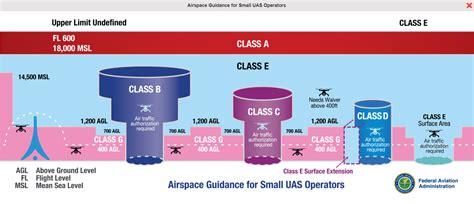
Airspace Management (ASM) is essential for optimizing how we use available airspace. Its main goal is to maximize airspace utilization through dynamic time-sharing and sometimes separating different types of users based on their immediate needs. According to Regulation 549/2004, ASM is all about selecting and applying airspace options to meet the demands of the Air Traffic Management (ATM) community.
The primary aim of ASM is to ensure efficient airspace use according to actual requirements. Whenever possible, it seeks to avoid long-term airspace segregation while enhancing overall network performance. However, the process can be complex due to competing interests among airspace users. When traffic needs to be segregated, such as during military exercises, careful planning is done to minimize operational disruptions. Typically, airspace reservations are made in advance, but adjustments can occur dynamically as needed.
In Europe, ASM is built around the concept of Flexible Use of Airspace (FUA), organized into three levels: Strategic, Pre-tactical, and Tactical. At the strategic level (ASM Level 1), high-level planning takes place. A High-Level Airspace Policy Body (HLAPB) oversees this, focusing on national ASM policies, evaluating the airspace network, establishing flexible structures like Special Use Airspaces (SUAs), coordinating major events, and refining procedures for airspace allocation and tactical management.
The pre-tactical level (ASM Level 2) deals with daily airspace allocation. This is usually managed by a joint civil-military airspace management cell (AMC), whose authority is set by the HLAPB. The AMC gathers airspace reservation requests, processes them based on established priorities, and generates an Airspace Use Plan (AUP). The pre-tactical phase typically runs from six days before an event (D-6) to one day before (D-1), where a draft AUP is published to help resolve any conflicts in requests.
Finally, the tactical level (ASM Level 3) focuses on implementing the AUP/UUP. This includes activating or deactivating SUAs, reallocating airspace, and resolving specific issues between civil and military units. For instance, it might involve managing flights that cross designated routes or temporarily deactivating danger areas for emergency landings. Airspace users are expected to inform the AMC of any changes in their plans to free up airspace when possible. The tactical level relies heavily on real-time data and tools, such as electronic coordination features and OLDI messages, to maintain effective airspace management.