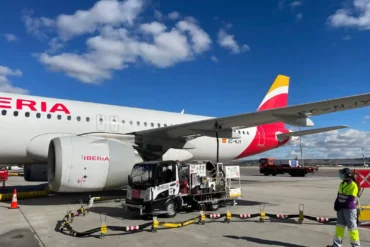
Fuel Management refers to a set of regulations, policies, and procedures designed to minimize flight risks related to fuel. For Commercial Air Transport, these regulations determine the minimum fuel needed based on flight rules, alternate aerodrome requirements, and special operations like ETOPS or remote locations. Compliance with these regulations, reinforced by company policies, ensures that the required fuel for the planned flight is identified during preflight planning and loaded onto the aircraft. Additionally, company guidelines help flight crews monitor and manage fuel usage effectively during ground operations, in-flight, and during diversions under both normal and abnormal conditions.
Several threats can affect fuel management. These include non-compliance with regulations, inadequate company or personal fuel policies, ineffective flight planning, insufficient fuel uplift, and poor in-flight fuel management. The consequences of these issues can be severe. For instance, insufficient fuel may lead to the need for an en route diversion, or even engine failure due to fuel exhaustion.
To defend against these risks, regulatory compliance is essential. Companies must establish robust policies and procedures, ensure appropriate fuel use and monitoring, and make timely in-flight decisions, such as landing short or diverting to an alternate airport.
A notable incident occurred on November 15, 2013, involving a Cessna 310 at Hawarden, UK. The aircraft crashed while attempting to land after losing power from one engine. The experienced pilot tried to go around instead of landing on the grass beside the runway. An investigation revealed that both main fuel tanks were nearly empty due to normal fuel consumption during the flight. Since there was unused fuel in the auxiliary tanks, the investigation concluded that mismanagement of the fuel system during the flight led to fuel starvation. The other engine was at full power but faced imminent fuel starvation.