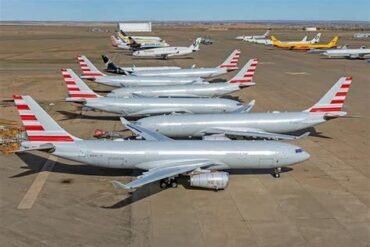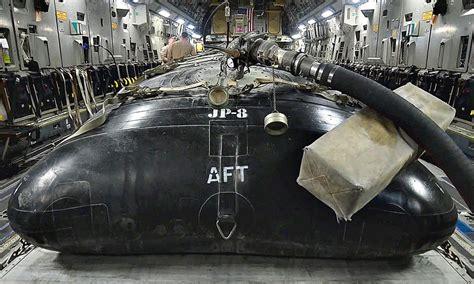
Fuel bladder aircraft technology represents a pinnacle of innovation in aerial fuel storage, offering superior flexibility, transportability, and safety in extreme and demanding environments. These advanced systems are crucial in aviation operations, particularly for missions in remote locations, military operations, and aerial scientific expeditions. Their collapsible, durable nature makes them ideal for both temporary fuel storage and in-flight applications, including crash-worthy configurations mandated by top motorsports and military aviation standards.
What Is a Fuel Bladder in Aviation?
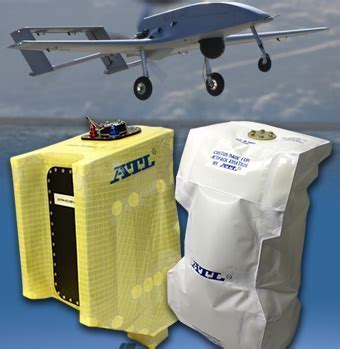
A fuel bladder is a flexible, collapsible fuel container made from elastomer-coated fabrics, engineered to store and transport volatile liquids such as aviation fuel. In aviation contexts, these bladders are used both as onboard auxiliary tanks and as part of ground-based refueling systems for aircraft operating in isolated environments. Their design is governed by stringent standards such as ASTM F3063, ensuring structural integrity and fuel compatibility.
Modern aviation-grade fuel bladders offer:
-
High resistance to fuel vapor transmission, preventing evaporation.
-
Explosion-proof interiors through the use of neutral barrier films.
-
Kevlar or ballistic nylon reinforcement for crash survivability.
-
Secondary containment systems to comply with EPA and aviation safety regulations.
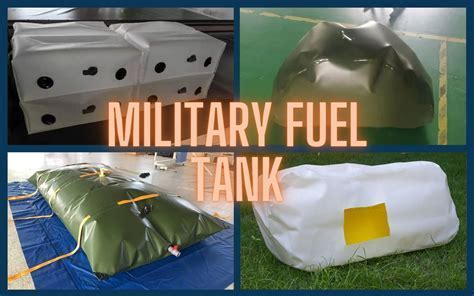
Construction and Material Engineering
Aircraft fuel bladders are typically constructed from homogeneously vulcanized elastomer fabrics, designed to provide maximum mechanical strength. These materials undergo high-temperature curing processes that fuse the coating with the structural textile, ensuring the highest degree of chemical resistance and mechanical resilience.
The outer shell is composed of:
-
Elastomeric polyurethane or nitrile rubber coatings for fuel resistance.
-
Reinforced synthetic fabrics such as nylon or Kevlar for structural integrity.
-
Anti-static layers to mitigate the risks of static ignition during fuel transfer operations.
Their seams are sealed using high-frequency welding or vulcanization, guaranteeing leak-proof performance even under high-pressure conditions typical of aviation use.
Applications in Aircraft and Aerial Operations
In the aviation sector, fuel bladder aircraft systems serve several mission-critical purposes:
1. Extended-Range Fueling
Aircraft such as reconnaissance planes or aerial refueling tankers often use internal or external auxiliary fuel bladders to extend their flight range. These systems are engineered to conform to the aircraft’s structure while maintaining optimal weight distribution.
2. Crash-Worthy Design in Combat Aircraft
Combat aircraft and military helicopters integrate crash-worthy fuel bladders, which significantly reduce post-impact fire hazards. These systems have been credited with saving countless lives in hostile environments, where survivability is contingent on fuel system integrity.
3. Humanitarian and Expeditionary Logistics
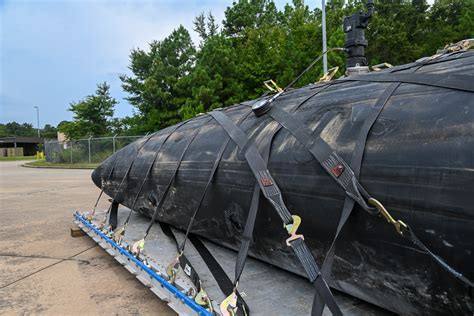
During Antarctic missions, for example, specially designed towable bladders are dragged by sled across the ice to supply research aircraft with necessary fuel reserves.
Regulatory Compliance and Safety Protocols
Fuel bladders used in aviation are subject to strict international regulations. These include:
-
EPA guidelines for environmental containment.
-
ICAO and FAA requirements for aircraft fuel system reliability.
-
ASTM F3063 for construction and material compatibility.
Failure to comply with these standards may result in fines, environmental contamination, or operational grounding.
To ensure environmental safety, aircraft fuel bladders are typically deployed within secondary containment structures, such as bunded enclosures, particularly during ground storage operations.
Technical Innovations Driving Performance
Modern fuel bladders have evolved to meet the most demanding aviation requirements. Key innovations include:
-
Anti-explosion internal coatings that prevent vapor ignition.
-
Self-sealing capabilities developed from military technology.
-
Rapid-deployment systems, allowing foldable bladders to be stored at less than 5% of full volume, enabling air transport to remote locations.
GMA Cover Corp., a leading manufacturer, highlights that their pillow-shaped aircraft bladders can be folded into compact volumes for air-drop delivery, especially vital in disaster relief missions.
Dual-Use Potential: Aircraft to Ground Support
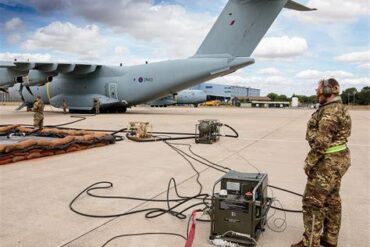
Although primarily used in-flight or as aircraft auxiliary tanks, fuel bladders also serve ground support roles. During aircraft maintenance, refueling, or remote base operations, these bladders provide:
-
Fuel staging capabilities in temporary airfields.
-
Support for unmanned aerial vehicle (UAV) fueling.
-
Rapid setup for forward operating bases (FOBs) in conflict zones.
Their portability and ease of deployment offer significant logistical advantages, enabling faster response times compared to rigid tank systems.
Military and Defense Applications
In military aviation, fuel bladders are indispensable. They are often incorporated into aircraft like the CH-47 Chinook, C-130 Hercules, and MH-60 Black Hawk, where crash survivability and fuel integrity are critical.
Fuel bladders also provide decentralized fueling support for tactical aviation units. Special Forces and forward-deployed units use portable fuel bladders to sustain air operations in austere conditions without the need for permanent infrastructure.
These systems are also critical in:
-
Combat Search and Rescue (CSAR) missions.
-
Amphibious operations, where aviation fuel must be transferred from naval vessels to aircraft.
-
Joint operations with NATO allies, where interoperability of bladder systems is standardized.
Advantages Over Traditional Rigid Tanks
The use of flexible fuel bladders in aircraft offers numerous benefits over conventional rigid tanks:
-
Reduced weight, improving payload and fuel efficiency.
-
Enhanced safety, with less risk of rupture or explosion upon impact.
-
Modular design, allowing reconfiguration for different mission profiles.
-
Compact transport, ideal for airborne delivery and remote base deployment.
Additionally, fuel bladders eliminate the need for large, immovable infrastructure, reducing the aircraft’s logistical footprint.
Challenges and Risk Management
Despite their many advantages, aircraft fuel bladders are not without challenges:
-
Spill risks increase with larger capacity units over 50,000 US gallons.
-
Maintenance-intensive, requiring regular inspection for micro-leaks and material degradation.
-
Temperature sensitivity, though modern coatings have improved resilience in both arctic and desert conditions.
Proper training and maintenance protocols are essential to prevent catastrophic failures. The use of double-wall bladder systems with embedded leak detection is now a growing trend.
Future Outlook and Industry Trends
The future of fuel bladder systems in aviation is focused on automation, environmental sustainability, and interoperability. Developments include:
-
Smart bladder systems with integrated sensors for fuel level, pressure, and leak detection.
-
Biodegradable coatings, addressing growing environmental concerns.
-
Cross-compatible designs for use in UAVs, drones, and hybrid aircraft platforms.
Furthermore, as global aerial logistics continue to expand into remote and underdeveloped regions, the demand for advanced fuel bladder systems will grow accordingly.
FAQ
What are crash-worthy fuel bladders in aircraft?
Crash-worthy fuel bladders are specially engineered tanks used in aircraft to resist rupture and prevent fuel spillage during a crash. They are often reinforced with Kevlar or ballistic nylon and include features like self-sealing membranes and anti-explosion coatings. These are mandatory in high-risk aviation applications such as combat aircraft and racing aircraft.
Can fuel bladders be used in extreme climates?
Yes, fuel bladders are designed to function in extreme temperatures, including Arctic conditions and desert environments. Specialized coatings and elastomers ensure that the material maintains flexibility and integrity in both high and low temperature ranges, making them ideal for operations like Antarctic expeditions or Middle Eastern military deployments.
Are fuel bladders reusable?
High-quality aviation fuel bladders are reusable and designed for multiple deployments, provided they undergo regular inspection and maintenance. Factors such as UV exposure, fuel type, and storage conditions can affect their lifespan, but with proper care, they offer long-term operational use.