The unmanned combat aerial vehicle (UCAV) has transformed modern warfare by merging autonomous flight technology with lethal force. Over nearly two centuries, UCAVs evolved from rudimentary flying bombs to precision-strike platforms with global reach. As nations refine their strategies with drone warfare at the forefront, understanding the rich and complex history of UCAVs is essential to grasp the full scope of contemporary and future combat.
Origins in the Age of Balloons and Flying Bombs (1849–1945)
The story of UCAVs begins long before the jet age. In July 1849, Austria launched what could be considered the world’s first unmanned aerial attack: bomb-laden hot air balloons targeting Venice during a siege. Though primitive and heavily weather-dependent, the operation marked a revolutionary shift in the application of aerial weapons.
During World War I, the U.S. experimented with the Hewitt-Sperry Automatic Airplane (1917–1925), an early attempt at creating a gyroscopically controlled aircraft that could deliver explosives. In parallel, the UK developed the RAE Larynx (1925–1929), a pilotless aircraft that anticipated the cruise missile concept.
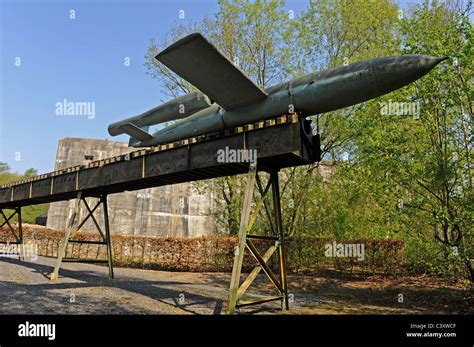
By 1940, inventors like Lee de Forest and U. A. Sanabria proposed deploying remotely controlled combat aircraft. This vision took shape in Operation Aphrodite (1944), where the U.S. repurposed B-17 bombers, packed them with explosives, and used radio controls for guidance. Around the same time, Germany introduced the V-1 flying bomb (1944–1945), a pulse-jet powered cruise missile and perhaps the most iconic early UCAV prototype.
Cold War Ambitions and Tactical Innovations (1945–1992)
The Cold War intensified interest in unmanned systems for surveillance, reconnaissance, and offensive capabilities. The U.S. Navy’s QH-50 DASH, developed in the 1960s, was a helicopter drone designed to deliver torpedoes against Soviet submarines, showing how UCAVs could complement traditional naval warfare.
In the early 1970s, DARPA engineered the Prairie and Calera drones, small prototypes capable of flying for two hours with payloads of up to 28 pounds. These innovations hinted at the tactical flexibility that modern UCAVs would eventually offer.
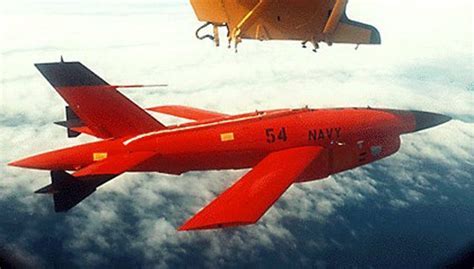
The U.S. Air Force’s HAVE LEMON program (1971–1979) marked a significant leap. Modified Ryan Firebee drones, reclassified as BGM-34A/B/C, were fitted with TV cameras, infrared sensors, and laser designators. These upgrades enabled precise targeting with Maverick missiles and TV-guided bombs, fundamentally reshaping the role of unmanned aircraft from recon to strike.
Simultaneously, MASTACS dogfight simulations showed that Firebees could endure up to 6 Gs in combat, even surviving engagements with manned F-4 Phantom jets.
Israel, a pioneer in drone warfare, used unarmed Firebees in the 1973 Yom Kippur War to exhaust Egyptian surface-to-air missile (SAM) systems. These missions paved the way for the development of the Scout and Pioneer UAVs, which later proved decisive in Operation Mole Cricket 19 (1982), where Israel effectively neutralized Syrian air defenses using electronic warfare and glider-based UAVs.
Meanwhile, in the late 1980s, Iran introduced an RPG-7-equipped drone during the Iran–Iraq War, showcasing the asymmetrical potential of UCAVs in regional conflicts.
Renaissance in the 1990s: The Digital Age of Drone Warfare
By the 1990s, digital communication, GPS navigation, and miniaturized sensors reignited interest in UCAVs. The concept of “air occupation”—maintaining a persistent UAV presence in contested airspace—gained traction. UCAVs could now carry smart munitions, loiter over targets, and deliver precise strikes, all at a fraction of the cost of manned aircraft or cruise missiles.
During the 1991 Gulf War (Operation Desert Storm), drones flew continuously, earning it the moniker “the first UAV war.” They provided real-time surveillance, electronic warfare, and occasionally combat capabilities. The momentum led to the Joint Unmanned Combat Air Systems (J-UCAS) initiative in 2003, which aimed to develop reusable stealth drones by 2007–08. However, strategic shifts led to the program’s cancellation in favor of next-generation strategic bombers.
The War on Terror and UCAV Maturation (2000s)
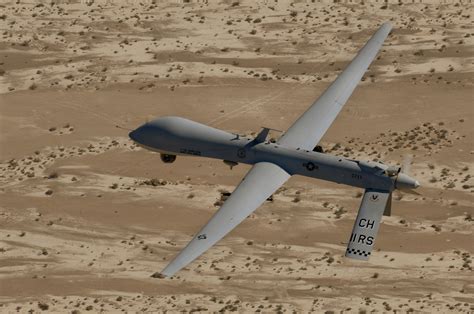
The War in Afghanistan, following the September 11 attacks, marked the operational debut of UCAVs as lethal platforms. On October 7, 2001, a Predator drone executed the first UAV kill in Kandahar, Afghanistan. The ability to conduct targeted killings remotely shifted global military doctrine and opened a new era of drone-centric warfare.
Over the next decade, Predators and Reapers became central to U.S. military operations in Pakistan, Yemen, Iraq, and Somalia. By January 2014, these drone strikes were reported to have killed over 2,400 individuals, a figure that surpassed 6,000 by June 2015. These missions, while tactically effective, stirred significant controversy regarding civilian casualties, sovereignty violations, and ethical concerns.
Proliferation and Precision: The Global Expansion in the 2010s
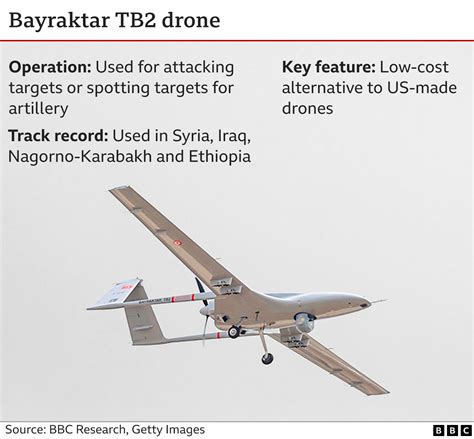
The 2010s saw the democratization of drone technology. Turkey became a major player, deploying drones against PKK insurgents and using them to devastating effect in Syria and Libya. The Bayraktar TB2, developed by Baykar, emerged as a dominant UCAV, providing tactical flexibility and affordability.
The 2019 Libya campaign revealed how UCAVs could tip the scales in civil wars. Turkish drones supported the UN-recognized Government of National Accord (GNA) against Khalifa Haftar’s LNA, neutralizing Russian-supplied Pantsir air defense systems and demonstrating that low-cost drones could counter high-end platforms with the right intelligence and electronic warfare support.
Modern Drone Warfare and Strategic Shockwaves (2020s)
The 2020 Nagorno-Karabakh war between Azerbaijan and Armenia was a watershed moment. Azerbaijani forces, heavily reliant on Turkish TB2s and Israeli-made loitering munitions, decimated Armenian tanks, artillery, and SAMs. The success highlighted the game-changing potential of drones in symmetrical conflicts.
In 2022, the Russian invasion of Ukraine brought UCAVs to the center stage. Ukraine deployed TB2s and even commercial octocopters armed with grenades to harass Russian convoys and destroy armored vehicles. In October 2022, Ukraine launched a coordinated drone and sea-drone attack on Russia’s Black Sea Fleet in Sevastopol, damaging the Admiral Makarov frigate.
Russia responded with Iranian Shahed-136 loitering drones, used as kamikaze systems to target Ukrainian infrastructure. The use of these drones marked a surge in mass-produced, expendable platforms over high-value systems. By 2023, Ukraine was losing around 10,000 drones per month, underscoring both the intensity and attrition rate of modern drone warfare.
In 2025, the long-standing border tensions between India and Pakistan erupted into a conflict dominated by drone strikes, electronic jamming, and counter-UAV defenses. Both sides deployed loitering munitions, swarm drones, and converted sport aircraft in a high-tech, high-tempo engagement that redefined subcontinental military strategy.
Conclusion: The Future of Lethal Autonomy
From hot air balloons to AI-powered swarms, the journey of UCAVs reflects not only the evolution of technology but also the shifting doctrines of modern warfare. As autonomous systems mature, ethical debates and international laws will increasingly shape their deployment. What remains clear is that UCAVs are no longer auxiliary tools; they are now strategic assets that redefine sovereignty, deterrence, and warfare.
In the decades ahead, the fusion of AI, quantum communications, and hypersonic platforms could propel UCAVs beyond today’s capabilities, making them central to the next global military paradigm.