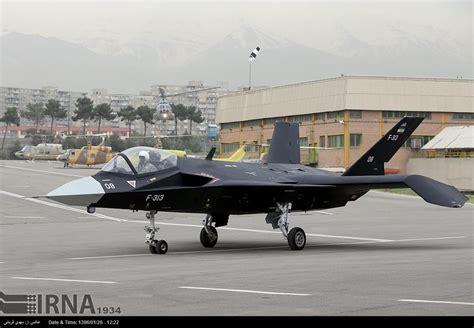
As of mid-2025, Iran’s military posture has drawn sharp focus from analysts worldwide due to heightened tensions across the Middle East. With the United States reaffirming its support for Israel, the spotlight has shifted once more onto the Islamic Republic of Iran Air Force (IRIAF) and its true combat readiness. While Iran’s total air power might pale in comparison to American military aviation might, the nation’s fighter jet inventory remains formidable in its regional context.
Iran’s military is one of the largest in the region with over one million active personnel, supported by hundreds of aircraft. Among them, 231 are fighter jets, a significant component of the IRIAF’s active aerial force of approximately 400 total aircraft.
Historical Context: American-Made Relics in a Modern Air War
The presence of American-made fighter aircraft within Iran’s fleet may surprise some, given the current geopolitical climate. However, prior to the 1979 Iranian Revolution, Iran maintained a strong alliance with the United States. During this period, Iran acquired high-performance platforms such as the F-4 Phantom II, F-5 Tiger II, and most notably, the F-14 Tomcat, a fighter still considered advanced in its heyday.
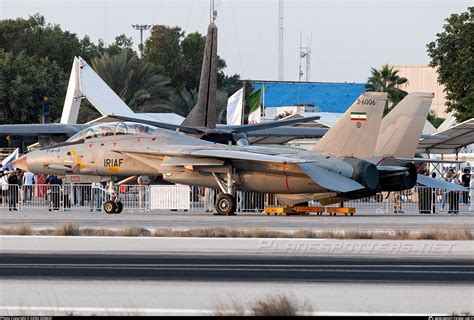
These aircraft form the aging backbone of Iran’s air defense. Despite their historical prestige, they suffer from severe maintenance challenges due to embargoes, lack of spare parts, and outdated avionics. Iran has resorted to reverse-engineering and local refurbishment to keep these aircraft flightworthy. While these stopgap solutions have kept the IRIAF functional, they fall short in ensuring parity with adversaries wielding fifth-generation stealth fighters and cutting-edge avionics.
Inventory Breakdown: Iran’s Fighter Jet Fleet in Detail
The IRIAF operates a diverse mix of aircraft originating from the United States, China, Russia, and domestic programs. As of 2025, here is a detailed breakdown of Iran’s estimated 231 fighter jets:
- 63 F-4D/E/RF Phantom II – Supersonic fighter-bombers, primarily used in a strike role.
- 41 F-14A/AM Tomcat – Long-range interceptors, iconic yet maintenance-intensive.
- 35 F-5E Tiger II – Light fighters used for training and close air support.
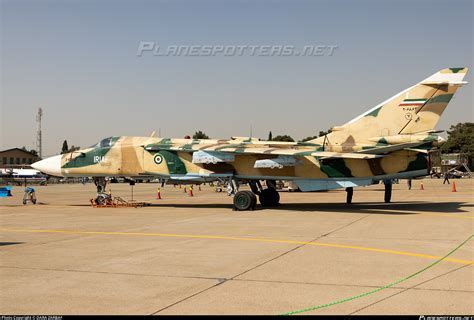
- 23 Su-24MK “Fencer” – Russian-origin strike aircraft known for deep penetration capabilities.
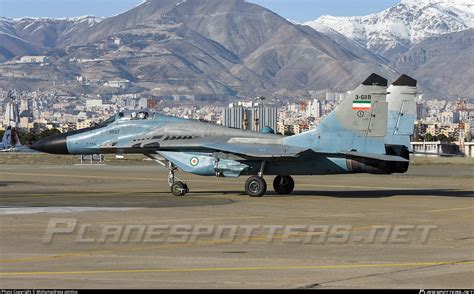
- 18 MiG-29A Fulcrum – Air superiority fighters, moderately modern by regional standards.
- 17 F-7M/N Airguard – Chinese variants of the MiG-21, obsolete but operational.
- 12 Mirage F1EQ – French-built multirole fighters originally delivered to Iraq, later transferred.
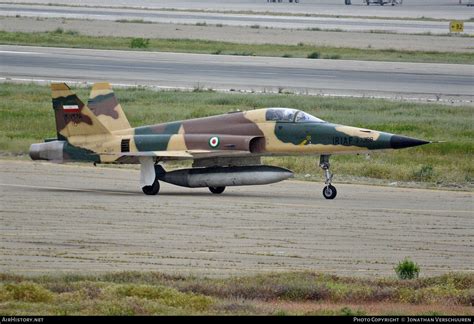
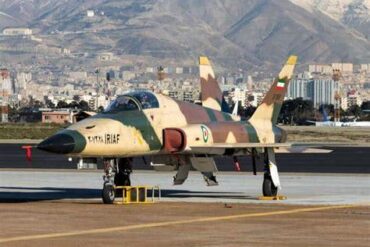
- 12 HESA Saeqeh – Iranian-made fighters modeled after the F-5.
- 6 HESA Azarakhsh – Domestic attempt at creating a native combat jet.
- 4 Kowsar – Most recent Iranian-developed fighter, based on 1970s design principles.
This patchwork inventory reflects Iran’s complex procurement history, ranging from pre-revolution US sales to post-revolution imports from China and Russia, and finally, domestically manufactured platforms built under sanction pressure.
Technical Constraints and Combat Readiness
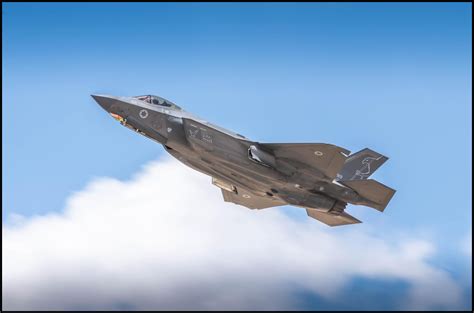
While Iran’s numerical strength in fighters is not insignificant, questions arise regarding combat readiness. Many aircraft, especially those from the 1970s and 80s, struggle with aging airframes, poor parts availability, and outdated weapons systems. Unlike modern jets such as the F-35 Lightning II or the Rafale, most Iranian jets lack beyond-visual-range (BVR) combat capabilities, modern radar systems, or active electronic countermeasures.
The F-14 Tomcat, though once considered a jewel in the IRIAF fleet, has not been upgraded to contemporary standards. Most avionics, weapons, and engines remain decades-old, forcing Iranian engineers to perform custom modifications without original manufacturer support. The result is an unpredictable, often inefficient maintenance and readiness cycle.
Regional Comparison: Iran vs Israel
A stark comparison with Israel’s air force underlines Iran’s strategic disadvantages. As of 2025:
- Israel fields 340 aircraft, 314 of which are fighters, including over 80 F-35I Adir stealth fighters.
- Israel’s fleet includes advanced versions of the F-15 and F-16, equipped with cutting-edge electronics, precision-guided munitions, and secure datalinks.
- All Israeli aircraft are fully integrated into US defense networks and benefit from real-time satellite data, AWACS support, and mid-air refueling.
Iran, by contrast, lacks AWACS, has limited ISR (intelligence, surveillance, reconnaissance) capabilities, and relies on ground-based radar and visual targeting, a serious tactical handicap in a modern war.
Domestic Production: A Strategy of Necessity
Under international sanctions, Iran’s aerospace industry has focused on reverse engineering, upgrading existing airframes, and developing indigenous fighters. Notable examples include the Saeqeh, Azarakhsh, and Kowsar programs. These aircraft, while proudly presented as indigenous, largely borrow from the F-5E platform, itself a 1960s design.
Iran claims to have integrated modern avionics and weapons into these airframes, but independent verification remains difficult. Analysts remain skeptical, noting that most domestic jets lack the radar cross-section reduction, fly-by-wire controls, and integrated datalink systems found in modern aircraft.
Even so, these programs serve political and strategic purposes: sustaining domestic expertise, reducing reliance on foreign suppliers, and providing limited air cover against regional threats.
Force Structure and Doctrine: Defensive by Design
Iran’s air doctrine remains largely defensive. With few aerial refueling capabilities and no long-range heavy bombers, the IRIAF is tailored toward homeland defense and point interception rather than offensive projection. Most of its fighter deployments are based near strategic locations such as:
- Bandar Abbas Air Base – Overseeing the Persian Gulf and Strait of Hormuz.
- Mehrabad and Mehran Air Bases – For rapid deployment near western borders.
- Tabriz and Hamadan – Covering the northwest axis toward Turkey and Iraq.
The IRIAF also trains extensively in low-level flying to avoid radar detection, reflecting its understanding that any direct air war would be fought at a disadvantage against superior forces.
Strategic Implications for the Middle East
Iran’s fighter jet force, though outdated, still holds regional significance. Against weaker air forces or in hybrid conflicts involving proxy militias, the IRIAF can provide essential air support. Moreover, the threat of Iran using ballistic missiles, drones, and asymmetric warfare tactics complements its traditional airpower.
In a high-end conflict, however, particularly against Israel or US forces, Iran’s air fleet would likely suffer rapid attrition. Its lack of stealth, weak radar systems, and limited stand-off weapons make it ill-equipped to engage in prolonged air superiority campaigns. Nevertheless, Iran’s strategic depth, mountainous geography, and multi-layered air defense network present challenges that would complicate any invasion plan.
Conclusion: An Aging Arsenal with Regional Impact
Iran’s fighter jet inventory, totaling 231 aircraft, is a mix of legacy platforms and domestically modified versions, reflecting decades of military isolation. While impressive in quantity for a nation under heavy sanctions, the qualitative edge lies firmly with Iran’s adversaries.
Still, the IRIAF remains a key pillar of Iran’s national defense strategy. Through strategic dispersal, domestic production, and doctrinal adaptability, Iran continues to maintain a viable, though limited, air force in one of the world’s most volatile regions. The risk of escalation makes the status and readiness of these fighter jets a critical component in assessing the balance of power across the Middle East.