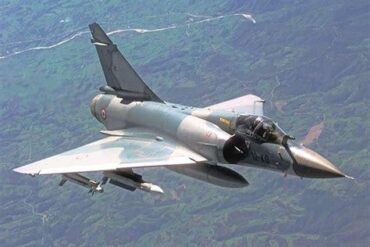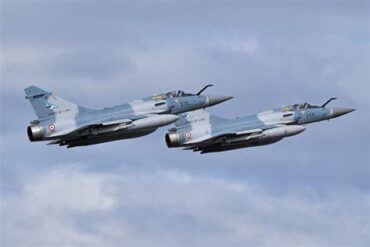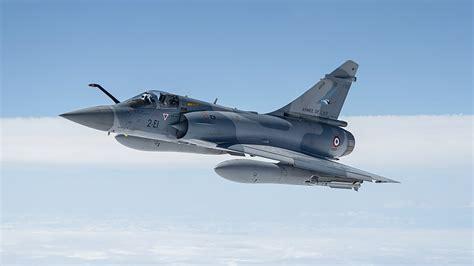
Ukraine has suffered another major blow to its air capabilities, with the loss of its first French-supplied Mirage 2000 fighter jet, only months after these advanced aircraft entered service. This latest incident comes on the heels of four separate F-16 losses, highlighting the immense challenges faced by the Ukrainian Air Force as it combats Russia’s relentless aerial and missile campaigns.
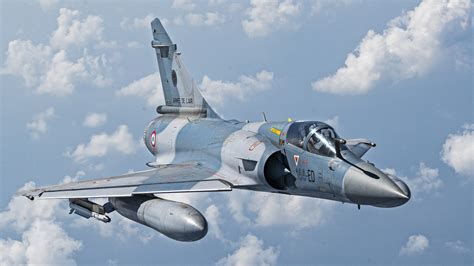
The Incident: What Happened to the Mirage 2000?
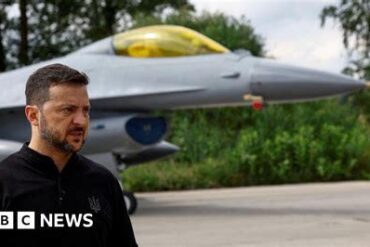
On Tuesday evening, a Ukrainian Mirage 2000 was lost during a routine mission. According to Ukrainian President Volodymyr Zelensky, who confirmed the incident in his address early Wednesday, the pilot safely ejected, avoiding casualties on the ground. The Ukrainian Air Force later clarified that the jet was not shot down by Russian forces but suffered an aviation equipment failure mid-flight.
“The pilot reported a failure of aviation equipment to the flight director. He then acted competently, as is expected in a crisis situation, and successfully ejected,” the Air Force announced in its statement. While no further details were given about the nature of the failure, the event underscores the intense operational stress placed on these aircraft.
A String of Devastating Losses: Four F-16s Down
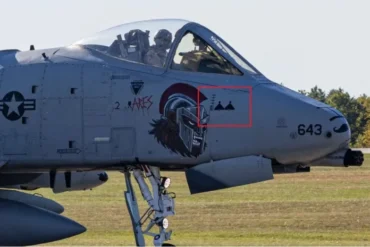
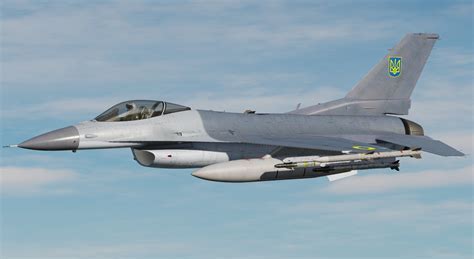
This loss follows a troubling pattern: Ukraine has lost four F-16 Fighting Falcons since their much-anticipated arrival. Each of these losses represented a significant operational and psychological blow, given how heavily Kyiv has invested in these Western-supplied jets for both air defense and combat operations.
The First Crash: A Harsh Beginning
The first F-16 loss occurred just weeks after Ukraine received its initial batch. Initially attributed to a technical malfunction or pilot error, later reports — including a Wall Street Journal investigation — suggested the possibility of friendly fire from a Ukrainian Patriot missile defense system. The pilot tragically did not survive.
The Second and Third Losses: Combat-Related Strikes
The second crash, reported in April 2025, reignited discussions about the risks of air-to-air combat and friendly fire in contested airspaces. However, Russia claimed responsibility, announcing that the F-16 had been shot down by one of its air defense systems.
The third crash, occurring on May 16, was particularly harrowing. Experts suspect an S-400 air defense missile was responsible for the kill. During this incident, the Ukrainian pilot managed to shoot down seven Russian air targets before his aircraft sustained irreparable damage. His sacrifice highlighted the high-risk nature of Ukraine’s defensive sorties.
The Fourth Loss: Unidentified Technical Failure
Also on May 16, another F-16 was lost while repelling a massive Russian aerial assault. Communication with the aircraft ceased abruptly at 03:30 local time, suggesting a sudden and catastrophic failure. Once again, Ukraine mourned the death of a pilot who had been repelling waves of missiles and drones.
The Role of Mirage 2000 Jets in Ukraine’s Defense Strategy
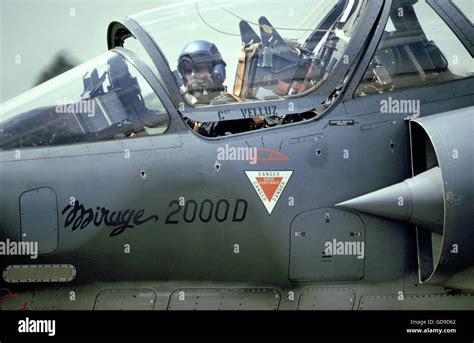
France supplied the Mirage 2000-5 aircraft to Ukraine earlier in 2025, with the goal of bolstering Kyiv’s air defense network. According to French Defense Minister Sébastien Lecornu, the first batch of jets arrived after months of pilot and mechanic training in eastern France.
“The first of these aircraft have arrived in Ukraine today. They will now help defend Ukraine’s skies,” Lecornu stated on X. These fourth-generation fighters were tailored to combat Russian electronic warfare and jamming, giving Ukrainian pilots an edge in contested airspaces.
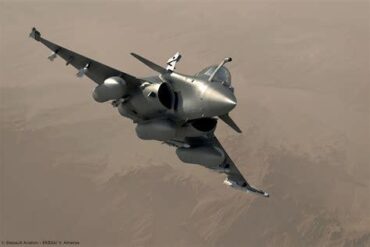
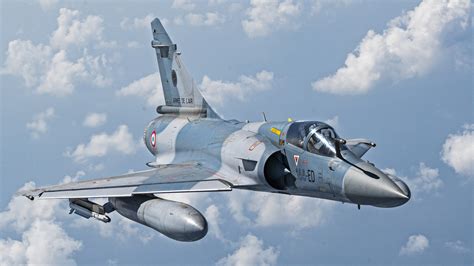
While not as modern as the F-35 or Rafale, the Mirage 2000-5 remains a formidable multirole fighter capable of both air-to-air and air-to-ground operations. Its Delta-wing design offers exceptional maneuverability, and upgrades have made it more resilient against Russian electronic interference.
Why Are These Jets Being Lost So Quickly?
The string of losses raises pressing questions about Ukraine’s ability to sustain advanced fighter operations in a high-threat environment. Several factors contribute:
- Intense Combat Environment: Ukrainian jets operate within reach of Russian S-400 and S-300 systems, some of the most advanced surface-to-air missile systems in the world.
- Technical Strain: Both the Mirage 2000 and F-16 fleets face extreme operational stress. Constant combat sorties, combined with Ukraine’s limited maintenance infrastructure, increase the risk of mechanical failures.
- Electronic Warfare: Russia’s advanced jamming systems disrupt communications and targeting, creating dangerous situations for pilots.
- Training Gaps: While Ukrainian pilots receive accelerated Western training, mastering these aircraft fully takes years, not months.
France’s Commitment: Support Beyond Aircraft Delivery
French President Emmanuel Macron and Defense Minister Lecornu have been vocal about France’s ongoing support for Ukraine. Beyond simply providing aircraft, France has trained Ukrainian pilots and mechanics to handle the Mirage 2000-5 under combat conditions. The goal is not just to add new hardware but to integrate these jets into Ukraine’s overall defense strategy.
Still, this incident underscores that training and equipment alone cannot offset the sheer intensity of Russian attacks. Kyiv continues to press for more advanced air defense systems to protect its fighters from long-range Russian strikes.
The Psychological and Strategic Impact
The loss of a Mirage 2000 is not only a material setback but also a psychological blow. Each downed jet diminishes Ukraine’s already limited fleet, reducing its capacity for combat patrols and interceptions. Moreover, Russia has capitalized on these incidents for propaganda, portraying Ukraine’s Western-equipped Air Force as vulnerable despite receiving advanced technology.
What Comes Next for Ukraine’s Air Force?
Ukraine now faces a critical challenge: how to protect its dwindling fleet of Mirage 2000s and F-16s while maintaining air operations. Potential solutions include:
- Enhanced Air Defense Coordination: Deploying additional Patriot and NASAMS systems to shield high-value aircraft.
- Forward Maintenance Units: Establishing mobile repair hubs near operational zones to reduce downtime for damaged jets.
- Increased Pilot Training: Expanding advanced training programs to boost pilot survivability in complex combat scenarios.
- Further Western Support: Accelerating the delivery of additional aircraft and spare parts to replace combat losses.
Conclusion
The downing of Ukraine’s first French Mirage 2000 fighter jet, following the devastating loss of four F-16s, illustrates the grim reality of modern air warfare in one of the world’s most hostile environments. While these setbacks challenge Ukraine’s air defense strategy, they also underscore the need for increased Western support—both in equipment and training. For now, every aircraft and every mission counts as Kyiv struggles to maintain its skies under relentless assault.