A Strategic Shift in Gulf Air Power
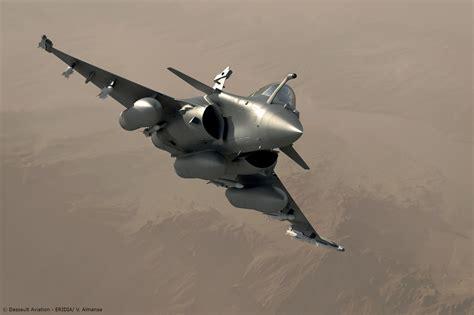
The United Arab Emirates is entering a new era of aerial dominance, retiring its long-serving Mirage 2000-9 fleet in favor of the far more advanced Rafale F4. For over two decades, the Mirage 2000-9 has formed a critical pillar of the UAE Air Force’s interception and multirole capabilities, bridging operational gaps that even the F-16 could not fully address. Its retirement is not simply a fleet upgrade—it marks a calculated leap into next-generation combat aviation, where survivability, networked warfare, and precision strike capability define superiority.
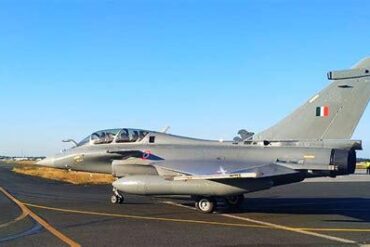
This transition is anchored in a landmark $18 billion defense agreement signed in December 2021. The deal includes 80 Rafale F4 fighter jets, making it the largest export order ever secured for the aircraft. Deliveries are scheduled to begin in late 2026, following the unveiling of the first UAE-bound unit in early 2025. The scale and urgency of this acquisition reflect both regional security dynamics and the UAE’s ambition to maintain a technological edge in an increasingly complex threat environment.
Why the Rafale F4 Changes Everything
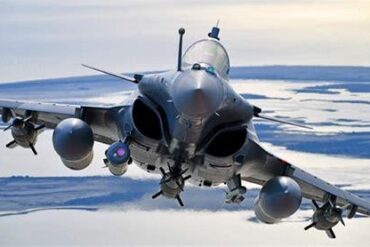
The Rafale F4 is not just an upgrade—it represents a generational shift in combat aviation philosophy. Designed as a fully networked, multirole fighter, it integrates advanced avionics, enhanced sensor fusion, and improved survivability systems that dramatically expand operational flexibility. Its upgraded frontal optronics allow for superior target detection and tracking, while enhanced electronic warfare capabilities ensure resilience in contested environments.
Unlike the Mirage 2000-9’s single-engine configuration, the Rafale employs a twin-engine design, providing both increased thrust and redundancy. This translates into greater mission reliability, particularly in high-risk combat scenarios. The aircraft’s ability to seamlessly switch between air superiority, ground attack, and reconnaissance roles mid-mission underscores its versatility.
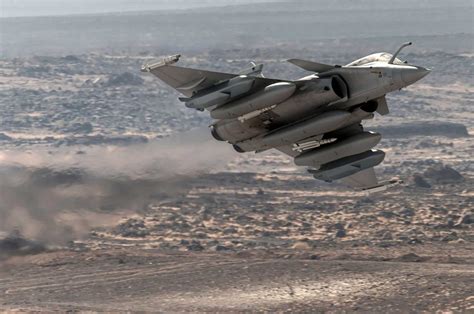
Beyond its hardware, the Rafale F4 introduces a new level of connectivity. Data-sharing capabilities allow it to operate as part of a broader combat ecosystem, linking with other aircraft, ground systems, and command centers in real time. This network-centric approach enhances situational awareness and enables faster, more coordinated responses to emerging threats.
The Mirage 2000-9: A Legacy of Agility and Precision
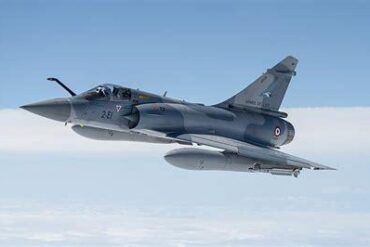
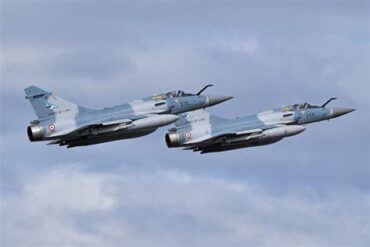
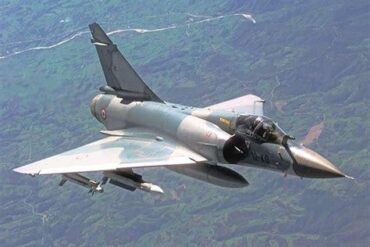
The Mirage 2000-9 may be approaching retirement, but it remains one of the most capable fourth-generation fighters ever fielded. Tailored specifically for the UAE, this variant incorporates advanced avionics and weapons systems that kept it relevant well into the 21st century. Its agility, powered by a delta-wing design, allows for exceptional maneuverability in dogfights, while its top speed of Mach 2.2 ensures rapid interception capability.
Measuring approximately 47 feet in length with a wingspan just under 30 feet, the Mirage is compact yet formidable. Its operational ceiling of around 54,000 feet and its integration of precision weapons such as the Black Shahine cruise missile and MICA NG air-to-air missiles have made it a versatile and reliable platform.
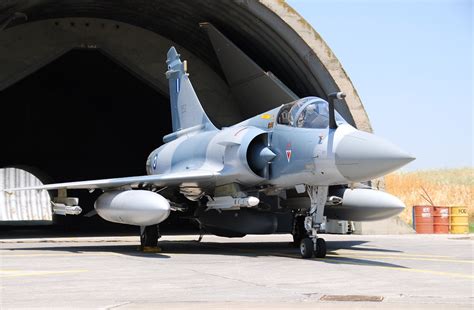
Despite these strengths, the Mirage’s architecture reflects an earlier era of warfare—one less dependent on digital integration and stealth survivability. As modern air combat increasingly prioritizes information dominance and electronic resilience, even upgraded platforms like the Mirage 2000-9 face limitations that cannot be fully overcome through incremental enhancements.
Rafale vs Mirage: Performance Beyond Speed
At first glance, the Rafale F4 appears to уступ in raw speed, with a maximum velocity of Mach 1.8 compared to the Mirage’s Mach 2.2. However, this metric alone fails to capture the broader picture of combat effectiveness. Modern aerial engagements are rarely dictated by top speed; instead, they hinge on detection range, weapon reach, and electronic warfare capabilities.
The Rafale’s arsenal is a decisive advantage. Equipped with Meteor long-range air-to-air missiles, it can engage targets well beyond visual range with exceptional accuracy. Its SCALP cruise missiles enable deep-strike capabilities against heavily defended targets, while the Hammer precision-guided munitions provide flexibility in ground attack missions. Combined with reduced radar visibility and advanced countermeasure systems, the Rafale significantly enhances survivability.
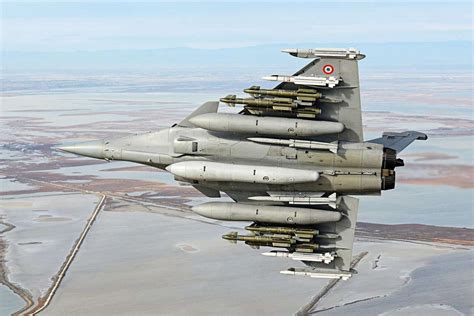
In contrast, while the Mirage 2000-9 remains highly agile and lethal within its operational envelope, it lacks the same level of stealth integration and networked warfare capability. The shift to Rafale is therefore less about replacing an aging aircraft and more about redefining the UAE’s approach to air combat.
Geopolitics Behind the Deal
The UAE’s decision to adopt the Rafale F4 is also shaped by geopolitical realities. An earlier attempt to acquire the F-35 was ultimately stalled, reportedly due to concerns surrounding technology security and the country’s telecommunications infrastructure. This setback prompted a renewed focus on European alternatives, culminating in the Rafale agreement.
French diplomacy played a crucial role in securing the deal, underscoring the strategic partnership between the UAE and France. The agreement not only strengthens military ties but also positions the UAE as a key operator of one of Europe’s most advanced fighter platforms.
What Happens to the Mirage Fleet
With approximately 59 Mirage 2000-9 aircraft still in service, the question of their future remains complex. Initial plans to transfer a portion of the fleet to Morocco faced political and logistical hurdles, including export restrictions and shifting regional dynamics. More recently, evolving security concerns have led the UAE to retain these aircraft temporarily, ensuring operational readiness during the Rafale transition.
Importantly, the Mirage platform is far from obsolete. Continued industrial support through at least 2035 ensures that these aircraft remain viable assets, whether retained domestically or eventually transferred to allied nations.
A New Era of Air Superiority
The introduction of the Rafale F4 signals a decisive transformation in the UAE’s airpower strategy. It reflects a move away from platform-centric warfare toward a fully integrated, network-driven approach where information, precision, and survivability take precedence over traditional metrics like speed alone.
As deliveries begin and the Rafale fleet becomes operational, the UAE will possess one of the most advanced fighter forces in the region. The retirement of the Mirage 2000-9 closes a significant chapter, but it also paves the way for a future defined by cutting-edge capability and strategic foresight.