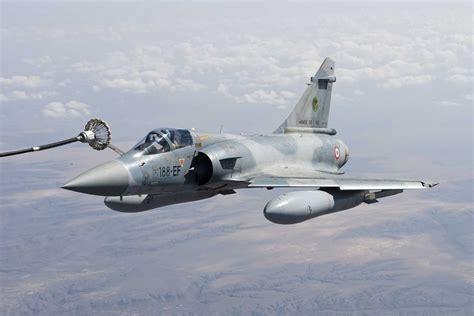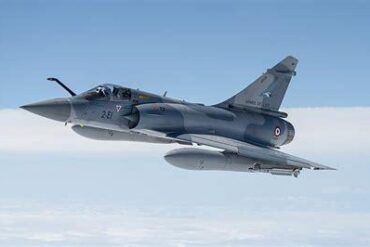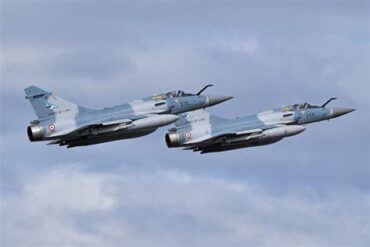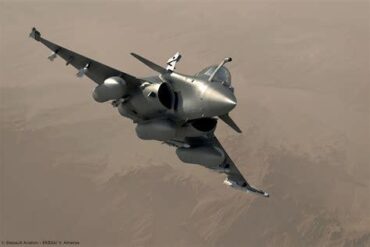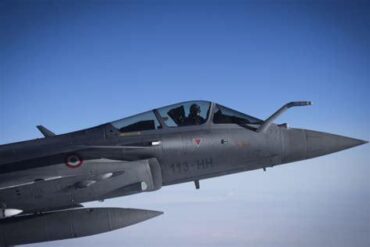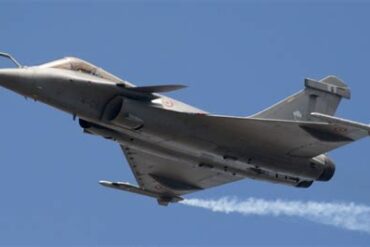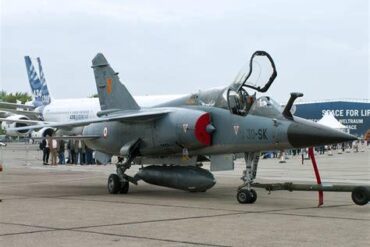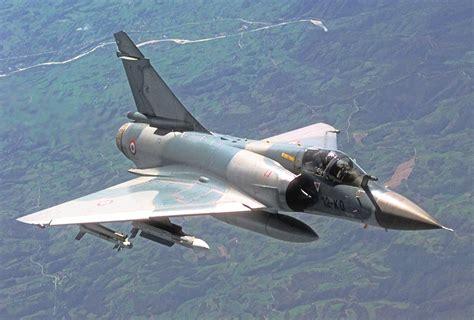
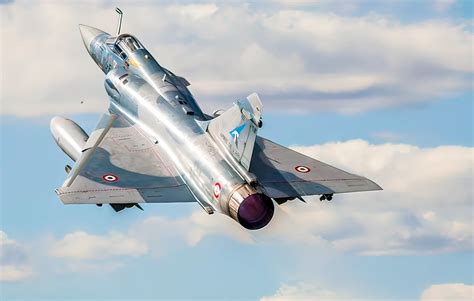
The Mirage 2000 stands as one of the most iconic fighter jets in modern military aviation, representing the cutting-edge of French aerospace technology. Developed by Dassault Aviation in the late 1970s, this multirole combat aircraft was designed to replace the Mirage III and serve as the backbone of the French Air Force for decades. Known for its delta wing design, powerful SNECMA M53-P2 turbofan engine, and advanced avionics, the Mirage 2000 has earned a reputation for speed, agility, and precision in diverse combat scenarios.
The Mirage 2000’s distinctive tailless delta wing configuration provides exceptional maneuverability, making it a formidable air superiority fighter capable of withstanding extreme aerodynamic stress. This aerodynamic design, combined with a 95 kN thrust engine, allows the Mirage 2000 to reach speeds of Mach 2.2, pushing the limits of modern fighter capabilities. Its development marked a significant leap forward in aerial warfare, offering unprecedented agility and power for its time.
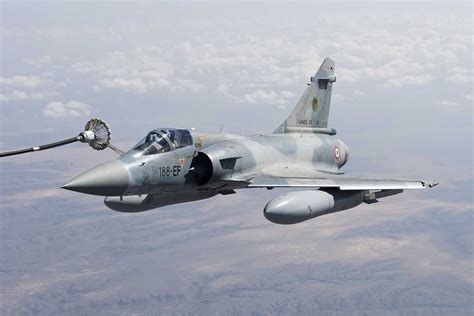
Evolution Through Variants
The Mirage 2000 has evolved through multiple specialized variants, each tailored to meet specific combat requirements. These variants showcase the adaptability of the platform, from air defense to precision ground strikes and nuclear deterrence. Key variants include:
- Mirage 2000C: The initial air defense variant, equipped with the RDI radar, optimized for air superiority missions and armed with Super 530D and Magic II missiles.
- Mirage 2000B: A dual-seat trainer variant, allowing for advanced pilot training and conversion missions.
- Mirage 2000N: Specialized for nuclear strike missions, capable of carrying ASMP-A tactical nuclear missiles and optimized for low-level penetration.
- Mirage 2000D: Conventional strike variant with advanced ground attack capabilities, including SCALP-EG cruise missiles and laser-guided bombs.
- Mirage 2000-5: A significant upgrade with enhanced RDY radar, MICA missiles, and NATO-compatible data links, expanding its multirole flexibility.
- Mirage 2000-5F: A modernized French variant with the advanced SPECTRA electronic warfare system and AI-ready architecture, ensuring battlefield survivability against modern threats.
Combat Performance and Operational History
The Mirage 2000 has seen extensive combat service, proving its worth in numerous conflicts around the world. Its operational history includes high-stakes missions and critical air campaigns:
- Ukraine Conflict (2025): French-donated Mirage 2000C aircraft played a pivotal role in intercepting Russian missile and drone strikes. Using RDY MK3 radar and NATO data links, these jets achieved an impressive 53% interception rate against incoming threats, demonstrating their continued relevance in modern warfare.
- Gulf War and Middle East Operations: During the 1991 Gulf War, Mirage 2000s provided critical air support, conducting precision strikes against heavily defended targets. In Libya (2011), they played a significant role in enforcing NATO’s no-fly zone and executing pinpoint strikes using SCALP-EG and laser-guided bombs.
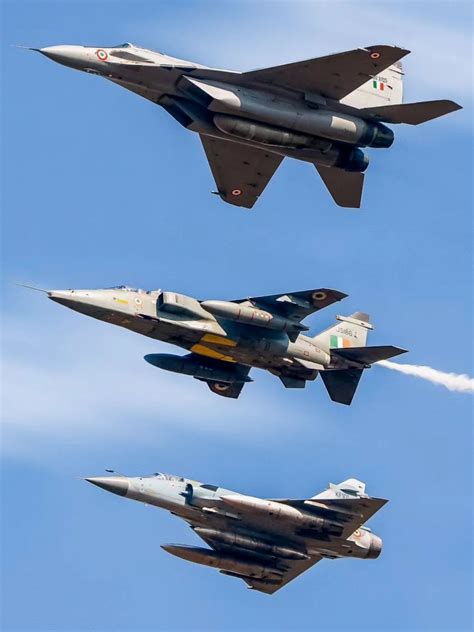
- Kargil War (1999): Indian Mirage 2000H fighters were instrumental in targeting high-altitude Pakistani positions with laser-guided munitions, changing the course of the conflict.
- Afghanistan Operations: French Mirage 2000D units achieved a 90% mission success rate in harsh, mountainous terrain, leveraging Damocles targeting pods for precision strikes during night operations.
Technical Strengths and Limitations
While the Mirage 2000 remains a potent combat platform, it is not without its limitations. Its strengths include:
- Multirole Flexibility: Capable of seamlessly switching between air superiority, ground attack, and reconnaissance missions.
- Upgrade Potential: Older variants can be retrofitted with modern radars (e.g., RDY MK3) and NATO-standard communication systems, significantly extending their service life.
- Cost-Effectiveness: Lower operational costs compared to more advanced 4.5-generation fighters like the F-16 Block 70.
However, these advantages are balanced by certain drawbacks:
- Radar Range: Early models like the Mirage 2000C were limited by the RDM radar, with a maximum detection range of 40 km.
- Engine Power: Despite its high speed, the Mirage 2000’s single-engine design results in a lower thrust-to-weight ratio (0.57), affecting acceleration and sustained turns.
Global Operators and Export Success
The Mirage 2000’s versatility and combat track record have made it a popular choice globally. Major operators include France (315 units), India (59), UAE (68), Greece (44), and Taiwan (55). Several export variants have been developed to meet the specific needs of these nations:
- Mirage 2000-9: UAE-specific model with Black Shahine cruise missiles and enhanced strike capabilities.
- Mirage 2000E: Export version supplied to Egypt, Peru, and Qatar, offering a cost-effective alternative to more modern jets.
Legacy and Future
As newer, stealthier jets like the F-35 and J-20 dominate global airspace, the Mirage 2000’s days as a frontline fighter are numbered. However, its continuous upgrades, including AI integration and anti-drone systems, ensure it will remain a critical asset for air forces well into the 2030s. Despite the planned retirement from French service by 2030, the Mirage 2000’s proven design and cost-effectiveness will likely keep it in active service for decades to come.