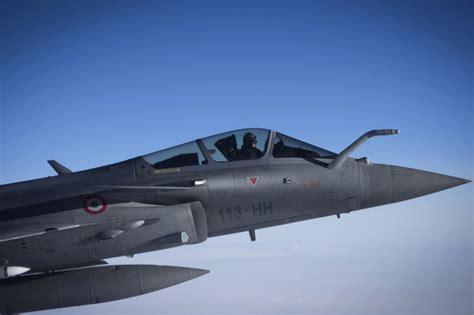
On the evening of January 4, 2026, in a powerful show of allied military coordination, French Rafale and British Typhoon FGR4 fighter jets executed a precision airstrike targeting an underground arms facility in Syria’s war-scarred Palmyra region. This operation marked another chapter in the continued international campaign to suppress remnants of ISIS (Daesh) after their territorial defeat in 2019.
The strike, carried out under the aegis of Operation Shader (UK) and Operation Inherent Resolve (France), demonstrates the strategic cooperation between NATO allies in maintaining Middle Eastern security and deterring extremist resurgence.
Precision Strike on ISIS Underground Facility
The British Ministry of Defence (MOD) reported that the operation focused on a clandestine, fortified weapons storage site believed to have been previously occupied by ISIS insurgents. The location, devoid of any civilian habitation, provided the ideal conditions for a high-yield precision strike without the risk of collateral damage.
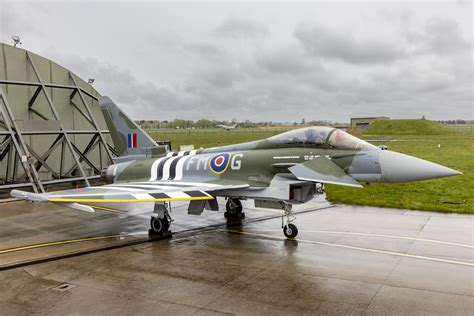
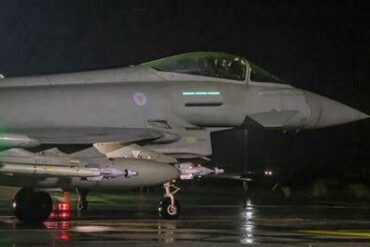
The Royal Air Force’s Typhoon FGR4 jets, a cornerstone of the UK’s fast-jet capability, were deployed alongside a Voyager KC2 aerial refuelling tanker, extending their operational range and enabling coordinated engagement deep into Syrian territory. Using Paveway IV laser-guided bombs, the British jets neutralized multiple access tunnels leading into the arms depot. Initial combat assessments confirmed the destruction of the intended target.
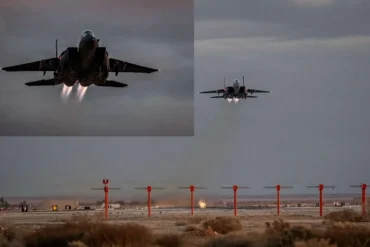
Simultaneously, French aircraft, widely believed to be Dassault Rafales, joined the mission, adding precision-strike firepower to the coordinated assault. While the French statement did not name the specific platform, operational patterns suggest the Rafale—France’s most advanced multi-role fighter—played a leading role in delivering guided munitions on target.
Strategic Location: Palmyra’s Past and Present

Palmyra, once a jewel of the ancient world and now a UNESCO World Heritage Site, has long been a symbolic and tactical target in the Syrian conflict. Seized and desecrated by ISIS during its territorial peak, the city became a battlefield of ideology, history, and geopolitics. Though reclaimed by Syrian and allied forces, the area continues to witness sporadic insurgent activity, underscoring its fragile security situation.
The recent strike underscores Palmyra’s strategic relevance. According to military officials, the targeted arms depot was likely intended to supply ISIS sleeper cells operating in remote parts of eastern Syria, including the Palmyra-Deir Ezzor corridor. This area remains a hotbed for asymmetric warfare, with militants often retreating into the vast desert expanse after hit-and-run attacks.
Anglo-French Collaboration
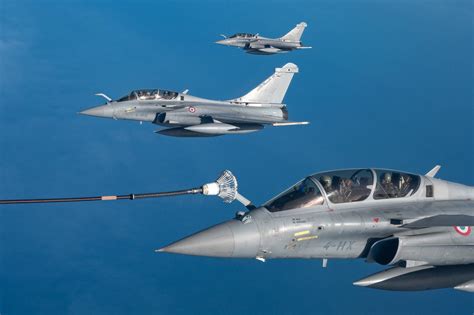
The joint strike symbolizes a renewed Anglo-French military partnership, operating under NATO’s framework to counter extremism in the Levant. In a statement on X (formerly Twitter), the French Armed Forces reiterated that preventing the resurgence of Daesh is a critical security priority for the region and for Europe.
UK Defence Secretary John Healey affirmed the importance of allied unity: “This action shows our UK leadership and determination to stand shoulder to shoulder with our allies, to stamp out any resurgence of Daesh and their dangerous and violent ideologies in the Middle East.”
The strike also complements recent U.S. actions against ISIS targets in the same theatre, indicating a coordinated multinational effort to dismantle jihadist infrastructure before it can regroup or rearm.
Technological Edge: Capabilities of the Rafale and Typhoon
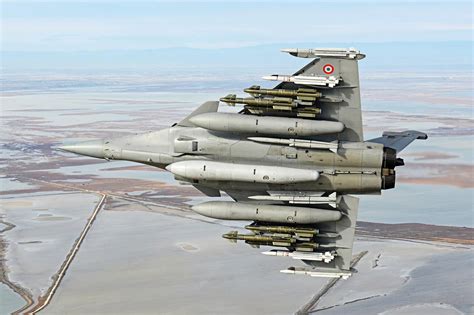
The Dassault Rafale, serving as the backbone of French airpower since 2006, is optimized for deep strike missions. Outfitted with SCALP EG cruise missiles, AASM precision-guided bombs, and advanced sensors, the Rafale offers a lethal combination of stealth, agility, and strike accuracy.
Similarly, the Eurofighter Typhoon FGR4, Britain’s frontline multirole combat jet, excels in both air-to-air and air-to-ground roles. The FGR4 variant, upgraded for swing-role missions, includes advanced radar systems and precision-strike capabilities, making it an indispensable tool in asymmetric warfare settings like Syria.
The integration of these platforms in a single mission represents the culmination of years of interoperability drills, tactical alignment, and shared threat perception between the UK and France.
No Civilian Risk: A Principle of Modern Warfare
One of the most emphasized aspects of the strike was the absence of civilian presence near the target zone. The UK MOD confirmed that the area had been extensively surveilled, ensuring the safety of non-combatants and adhering to the laws of armed conflict.
This meticulous planning reflects broader Western efforts to conduct ethical warfare, particularly in post-conflict zones like Syria, where civilian populations often coexist near former conflict hotspots. The use of precision-guided munitions and real-time reconnaissance plays a pivotal role in minimizing unintended casualties.
Context: ISIS Activity in 2025 and Early 2026
While ISIS no longer holds territory, sleeper cells and small insurgent groups remain active across Syria and Iraq. In late December 2025, a lone ISIS gunman in Palmyra attacked American personnel, resulting in the tragic deaths of two U.S. soldiers and a civilian contractor. This attack likely served as a catalyst for the January joint strike, signaling that ISIS elements continue to pose threats even in ostensibly secured zones.
Intelligence suggests that ISIS has shifted to a guerrilla warfare model, using Syria’s vast deserts and cave systems to stage hit-and-run assaults, ambushes, and targeted assassinations. The destruction of arms depots like the one in Palmyra directly impairs their ability to sustain such operations.
Continued Vigilance: The Road Ahead
While the airstrike represents a tactical victory, officials caution that the broader war against extremism remains far from over. Stability in the region will depend on a multi-pronged approach involving military pressure, local security capacity-building, and geopolitical coordination.
The UK’s Operation Shader and France’s contributions to Inherent Resolve will continue in 2026, with a renewed emphasis on targeting logistics hubs, recruitment centers, and digital propaganda operations run by jihadist networks.
The message from Palmyra is unmistakable: the West is not retreating from its responsibility to uphold international security. With advanced platforms like the Rafale and Typhoon, and an unwavering commitment to strategic cooperation, the fight against ISIS continues with precision, resolve, and purpose.