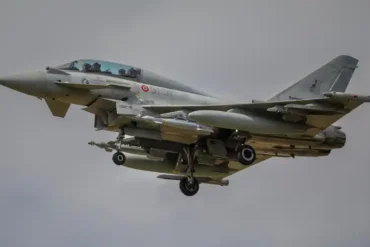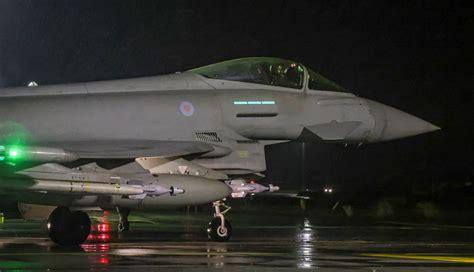
On January 3, 2026, British Royal Air Force Typhoon FGR4 multirole fighter jets executed a highly coordinated airstrike on a fortified Daesh tunnel network in eastern Syria, delivering devastating results using Paveway IV precision-guided bombs. The operation, part of Operation Shader, reinforces the RAF’s cutting-edge ability to strike concealed, hardened targets with near-surgical accuracy while supporting wider coalition counterterrorism objectives in the region.
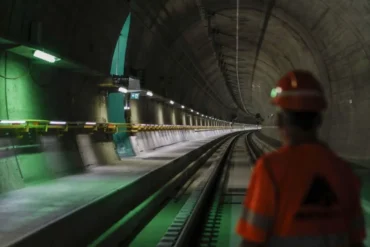
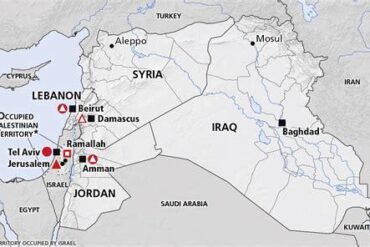
The target, a subterranean logistics and command hub utilized by Islamic State remnants, was located near the Euphrates River valley, an area historically critical for insurgent mobility and supply chains. The tunnel complex had been under extensive coalition surveillance and was confirmed to house multiple concrete-reinforced shafts embedded beneath layers of sand and rock.
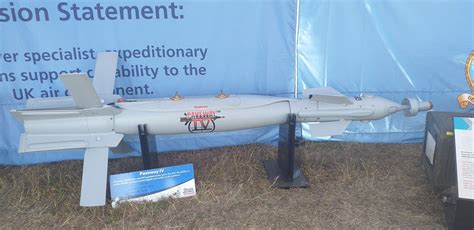
Precision Strike Powered by Paveway IV Smart Bombs
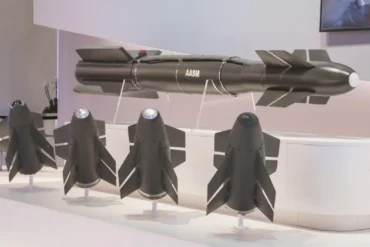
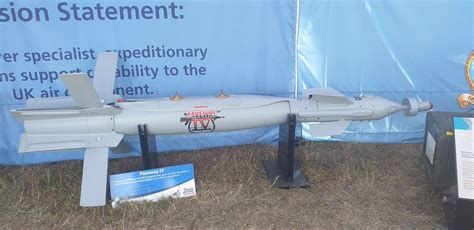
The RAF employed the Paveway IV, a 226 kg (500 lb) smart bomb developed by Raytheon UK, renowned for its dual-mode guidance system that merges GPS-aided inertial navigation and semi-active laser homing. This capability enables effective targeting in all weather conditions while also allowing real-time adaptation against camouflaged or moving targets.
In this specific strike, the Typhoon FGR4’s Litening III targeting pod was used to designate tunnel entrances with sub-meter accuracy, activating the Paveway IV’s laser guidance mode. Each bomb was equipped with delayed-action fuzes, a deliberate configuration enabling them to penetrate hardened surfaces before detonation. This method maximizes internal collapse by harnessing the tunnel’s own enclosed structure to amplify the blast and overpressure effects.
Tactical Destruction with Minimal Collateral Damage
The destructive profile of the Paveway IV is optimized for scenarios involving fortified and subterranean targets. Upon impact, its high-explosive fragmentation warhead creates a lethal radius of 10 to 15 meters, depending on impact conditions. When detonated inside enclosed tunnels, the resulting overpressure effect is amplified dramatically, leading to structural collapse that no surface detonation could match.
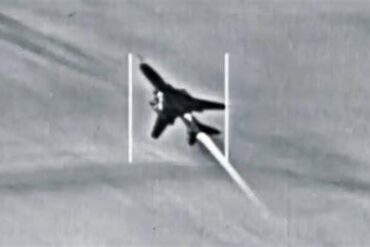
RAF officials reported the collapse of multiple tunnel shafts, effectively rendering the entire Daesh complex inoperable. This was confirmed by real-time ISR drone footage, which captured visible subsidence and large-scale structural compromise at several tunnel access points.
Mid-Air Support and Operational Coordination
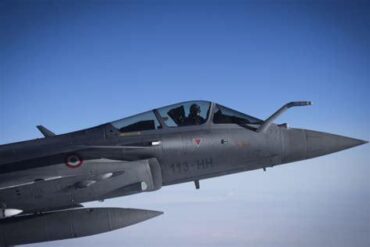
Typhoon FGR4 aircraft were supported by a Voyager aerial refueling tanker, allowing them to loiter, surveil, and precisely time their attack window. The operation was executed in coordination with French fighter jets operating under a concurrent mission profile. Notably, this mission did not involve U.S. aircraft, showcasing the growing autonomy of European airpower and reinforcing the RAF’s ability to conduct strategic deep-penetration strikes independently.
All RAF aircraft returned to base without incident, and no civilian casualties were reported—further underlining the precision of the weapons system and the RAF’s rigorous targeting protocols.
Typhoon FGR4: Evolution into a Multi-Role Strike Leader
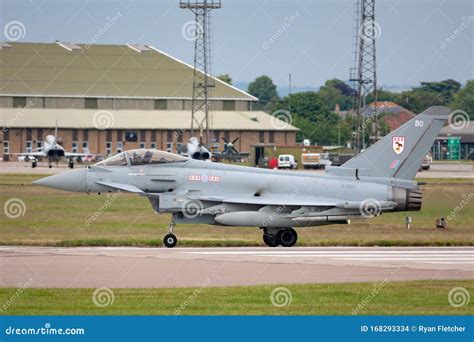
Initially designed as an air-superiority fighter, the Eurofighter Typhoon FGR4 has evolved into a premier multi-role platform, seamlessly integrating air-to-ground strike capabilities. With its modern digital avionics suite, robust sensor fusion, and compatibility with munitions like the Paveway IV, it now stands among the most versatile fighters in Europe’s inventory.
Its deployment in this operation underscores its transformation into a frontline strike asset, capable of operating with minimal ground support in austere environments, executing precision missions that were once the sole domain of specialized aircraft.
Strategic Relevance Amid Global Tensions
While the UK increasingly focuses on peer-state competition in Eastern Europe and the Indo-Pacific, this mission reflects a sustained strategic commitment to counterterrorism in the Middle East. By demonstrating readiness and capacity to eliminate entrenched insurgent infrastructure, the RAF reaffirms its global posture as a sovereign strike force.
Furthermore, the operation reflects a shift toward European tactical leadership, with the UK and France conducting simultaneous missions in Syria without relying on American aerial support. This development signals a more distributed, multilateral approach to coalition warfare, with European forces stepping into more autonomous and assertive roles.
Combat-Proven Precision: The Paveway IV’s Enduring Role
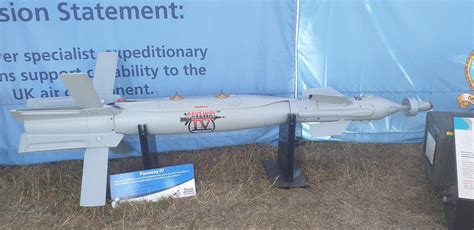
The Paveway IV remains a cornerstone of the UK’s precision strike inventory, offering a rare combination of adaptability, precision, and strategic effect. Its capability to engage dynamic, fortified, and concealed targets with low collateral impact is indispensable in asymmetric warfare environments.
Its modular fuzing options—impact, airburst, and delayed detonation—allow operators to tailor effects to mission requirements, whether targeting surface vehicles, personnel concentrations, or underground fortifications like the Daesh tunnel in Syria.
Aftermath and Ongoing Assessment
Initial assessments suggest that the strike neutralized a critical node in Daesh’s regional infrastructure. The RAF is currently analyzing post-strike data and ISR feeds to confirm target elimination and evaluate the need for potential follow-up operations.
British defence planners aim to extract lessons from the operation to refine future strike doctrines, including weapon settings, approach vectors, and coordination methods. These insights will be vital for ensuring readiness against high-value, time-sensitive targets, particularly those concealed in challenging topographies or shielded by urban clutter.
The Broader Implications for NATO and Coalition Airpower
This mission adds another data point to the evolving use of precision airpower in counter-insurgency and post-conflict stabilization. As non-state actors increasingly adapt by moving underground, the burden falls on technologically advanced air forces to keep pace. Britain’s demonstration of targeted lethality—delivered with autonomy and zero collateral damage—sets a new operational benchmark.
Moreover, it illustrates the kind of agile, responsive strike capability NATO members must maintain even as global attention shifts toward conventional deterrence. The ability to deliver strategic effects at short notice, using legacy aircraft upgraded with cutting-edge munitions, ensures that the RAF remains a formidable player in any theatre.
Conclusion: A Surgical Strike with Strategic Weight
The January 3 strike by British Typhoon FGR4 jets on a Daesh tunnel network in Syria serves as a compelling example of 21st-century airpower in action. By leveraging precision-guided weaponry, real-time ISR, and highly trained crews, the RAF delivered a tactical blow with strategic resonance.
It demonstrated that even in an era dominated by emerging threats and geopolitical complexity, the fundamental principles of precision, adaptability, and deterrent credibility remain as critical as ever. For British defence and NATO’s broader security architecture, this successful operation validates the continued investment in smart munitions and multi-role combat platforms that can operate across the full spectrum of conflict.