Denver International Airport is finally confronting one of the most frustrating design flaws that has haunted travelers for nearly three decades: dependence on a single underground train system to move millions of passengers between concourses. The sprawling Colorado hub, famous for its tent-like roof and massive footprint, is preparing a sweeping infrastructure overhaul that will introduce pedestrian tunnels beneath the airfield, giving passengers a long-awaited alternative to the airport’s notoriously failure-prone automated train.
The project, part of Denver International Airport’s ambitious Vision 100 expansion strategy, could cost as much as $700 million and is expected to begin construction in 2027. Airport officials plan to repurpose portions of the abandoned baggage tunnel network beneath the concourses into modern pedestrian corridors capable of handling enormous passenger volumes during train outages and peak travel periods.
For travelers who have sprinted through crowded stations, waited in immobilized rail cars, or missed connections because the train suddenly stopped operating, the change represents far more than a convenience upgrade. It is an acknowledgment that Denver International Airport has outgrown the transportation system it relied on since opening in 1995.
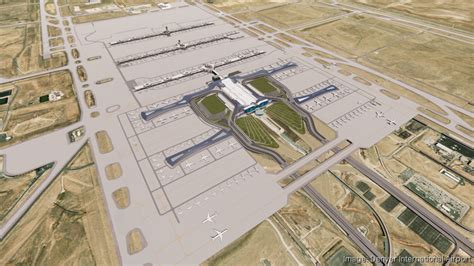
The airport’s train network currently acts as the primary artery connecting the Jeppesen Terminal with Concourses A, B, and C. Aside from the pedestrian bridge leading to Concourse A, there has never been a reliable way to walk between terminals. When the train experiences disruptions, airport operations can spiral into gridlock within minutes.
After years of complaints, viral passenger horror stories, and operational strain, Denver is now investing heavily in redundancy rather than relying on a single transit system to carry nearly every traveler through the airport.

Denver Airport’s Train System Became A Critical Weakness
When Denver International Airport opened in the mid-1990s, it was considered one of the most technologically advanced airports in the world. Passenger volumes at the time were far lower than they are today, and planners believed the underground automated people mover could comfortably support future growth.
That prediction eventually collapsed under the weight of Denver’s explosive expansion.
Today, DEN is consistently ranked among the busiest airports in North America, with annual passenger traffic rapidly climbing toward the airport’s projected 100 million travelers per year target. While officials say the train operates successfully roughly 99% of the time, even minor delays can trigger massive disruptions because there is no scalable backup system.
When outages occur, the airport deploys buses on the tarmac to shuttle passengers between concourses. The process is painfully slow, vulnerable to weather conditions, and incapable of efficiently handling tens of thousands of travelers simultaneously. Long queues form almost instantly, security bottlenecks intensify, and gate areas become overcrowded.
The problem is especially severe during tight connection windows. A stalled train for only a few minutes can create a domino effect that spreads throughout the airport’s operation for hours.
Denver officials reportedly studied above-ground bridges connecting all concourses, but the proposal carried a staggering multibillion-dollar price tag and would have caused major operational disruption during construction. Repurposing the existing tunnel infrastructure beneath the airport proved far more practical.
Vision 100 Signals Denver’s Largest Mobility Upgrade In Decades
The pedestrian tunnel initiative forms part of the broader Vision 100 modernization program, which aims to prepare Denver International Airport for another generation of growth. Alongside the walking corridors, the airport is also investing approximately $75 million to modernize and improve the reliability of the train system itself.
Rather than replacing the trains, the strategy introduces a second transportation layer capable of reducing pressure during disruptions and giving passengers more flexibility.
Denver Mayor Mike Johnston described the project as a major victory for travelers frustrated by years of transit problems inside the airport. Officials have increasingly recognized that relying on one underground rail system for nearly all passenger movement creates a dangerous operational vulnerability at one of the nation’s busiest aviation hubs.
The new pedestrian corridors are expected to function as a critical “relief valve,” allowing travelers to bypass stalled train systems entirely when necessary. During normal operations, the tunnels could also help disperse crowds during peak arrival and departure waves.
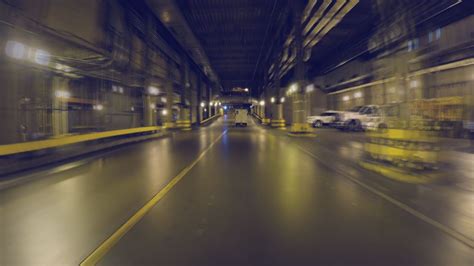
Unlike the cramped utility tunnels many travelers might imagine, the redesigned passageways are expected to be purpose-built pedestrian environments equipped with lighting, ventilation, safety systems, moving walkways, and accessibility infrastructure.
United Airlines Has The Most To Gain From The Tunnel Expansion
No airline stands to benefit more from the new walkable connections than United Airlines, Denver’s dominant carrier.
United operates heavily from Concourses A and B, making the airport train essential for countless daily passenger connections. When train service slows or fails, connecting travelers can become trapped between gates with virtually no alternative route.
That operational dependence creates enormous risks during peak traffic periods. Delayed train cycles often mean passengers miss boarding windows even when their incoming flights arrive on time. Missed connections then ripple across United’s network, increasing rebooking costs, crowding customer service desks, and delaying subsequent flights.
The tunnel project could dramatically improve connection reliability by allowing travelers to physically move between concourses even during rail interruptions. For passengers carrying only hand luggage, walking may ultimately become faster than waiting for overloaded trains during rush periods.
At a major connecting hub where minutes frequently determine whether passengers make flights or spend the night in Denver, that flexibility could become invaluable.
Denver’s Failed Baggage System Accidentally Created The Solution
Ironically, the infrastructure now being transformed into passenger walkways was originally part of one of aviation’s most infamous technological failures.
During the airport’s construction in the early 1990s, Denver attempted to deploy a revolutionary automated baggage handling network developed by BAE Systems. The ambitious system relied on thousands of computer-guided carts called “telecars” moving luggage through miles of underground tunnels beneath the airfield.
The project quickly descended into chaos.
Technical failures, software breakdowns, and engineering complications caused repeated delays and ballooning costs. What began as a futuristic innovation eventually became a $600 million embarrassment that never fully worked as intended. Portions of the system were abandoned before the airport even opened, while remaining sections were gradually shut down over the following decade.
Traditional tug-and-cart baggage systems eventually replaced the automated concept entirely.
But while the baggage network failed operationally, it left behind something unexpectedly valuable: a vast underground tunnel system stretching beneath one of America’s busiest airports. For years, much of that infrastructure sat largely unused beneath the concourses.
Now, decades later, those forgotten tunnels may finally solve one of Denver International Airport’s biggest passenger frustrations.