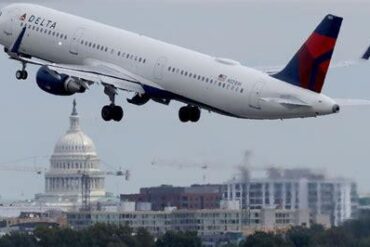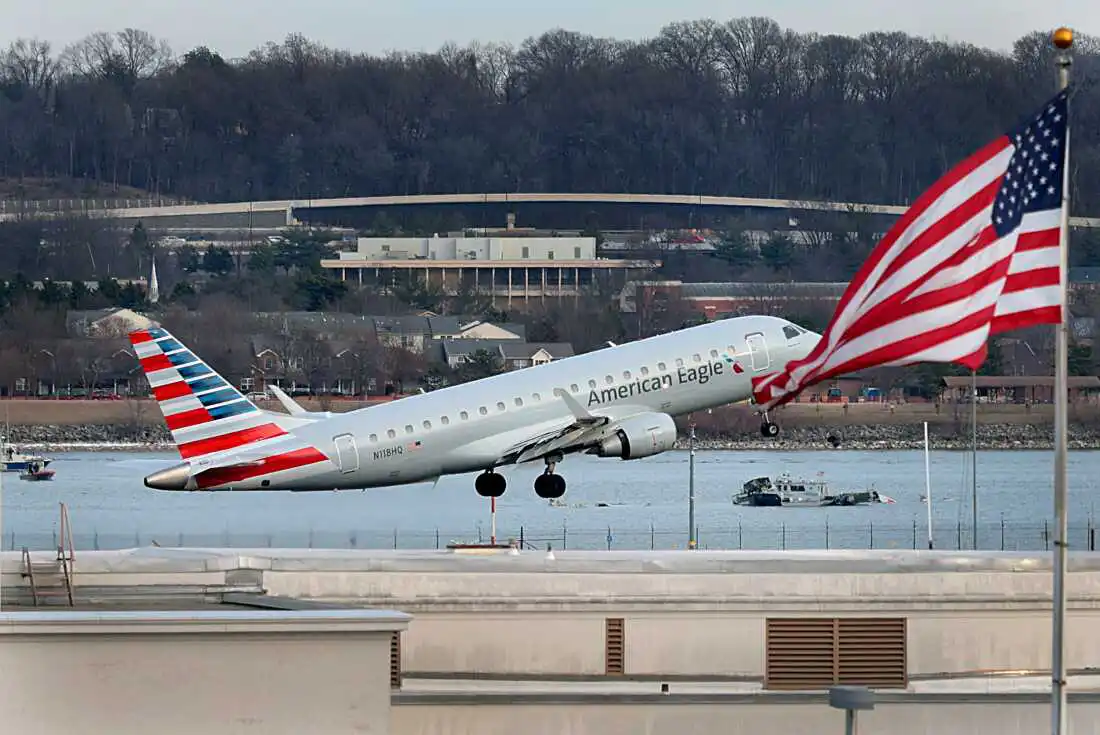
The tragic midair collision on January 29, which claimed the lives of 67 people when an Army helicopter struck a commercial jetliner near Reagan National Airport, has galvanized Senate Democrats into legislative action. Months after the incident, which has since sparked public outcry and frustration among victims’ families, lawmakers are introducing a sweeping aviation safety reform bill aimed at tightening rules for military flights in one of the nation’s busiest and most complex airspaces.
Legislative Push Follows Months of Inaction and Grief
The proposed legislation, spearheaded by Sen. Maria Cantwell (D-Wash.), the ranking Democrat on the Senate Commerce, Science and Transportation Committee, seeks to force systemic reforms after preliminary investigations by the National Transportation Safety Board (NTSB) revealed serious failures in safety protocol and communication. These include the deactivation of safety tracking technology by the Army, lack of interagency coordination, and a critical failure by the Federal Aviation Administration (FAA) to act on over 15,000 near-miss reports in the region.
“It’s time to get off the bench,” Cantwell emphasized in a recent interview, drawing parallels to post-crisis reforms following the Boeing 737 Max disasters. “Families have been getting anxious that these accidents are becoming lost in people’s minds. But this tragedy must not fade into obscurity.”
ADS-B Out and the Role of Invisibility in the Skies
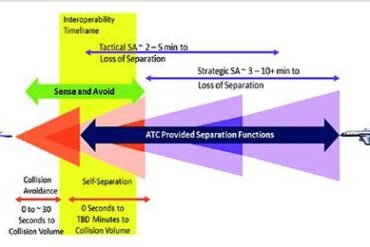
At the heart of the controversy is Automatic Dependent Surveillance–Broadcast Out (ADS-B Out) technology, a critical tool that broadcasts an aircraft’s position, velocity, and identity to air traffic controllers and nearby aircraft. The Army helicopter involved in the January 29 crash had its ADS-B Out switched off, rendering it effectively invisible to civilian radar systems and controllers at the time of the collision.
Under current regulations, military aircraft can disable these systems, ostensibly for operational security. However, this loophole has come under intense scrutiny. The new bill would restrict military and other helicopter operations from disabling such tracking technologies when flying in shared civilian airspace, especially near dense urban hubs like Washington, D.C.
A Systemic Problem: Silos Between Agencies
Another key provision would compel the Department of Defense (DoD) to share aviation safety data with the FAA in real-time. Currently, the Army’s Aviation Safety Management Information System remains largely siloed, with the FAA only able to access it via Freedom of Information Act (FOIA) requests—a bureaucratic process that can stretch for months or even years.
Critics argue this opacity undermines the ability of civilian air traffic controllers and aviation safety officials to assess and mitigate ongoing risks. “We can’t improve what we can’t see,” noted one former FAA official familiar with the safety corridor.
A Review of Airspace Near National Airport
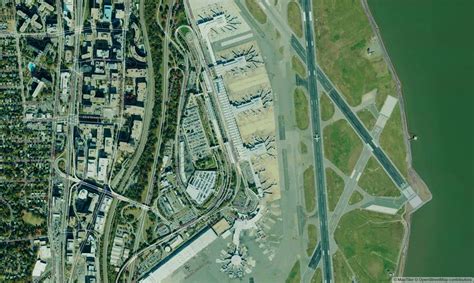
Beyond helicopter visibility and data transparency, the bill mandates a comprehensive airspace review around Reagan National Airport, specifically analyzing the complex mix of passenger jets, military helicopters, and unmanned aerial systems (drones) that share a narrow flight corridor. This airspace, complicated by security protocols near national monuments and federal buildings, has long been a source of concern for aviation experts.
In May, a dramatic incident where two commercial jets were forced to abort landings due to an Army Black Hawk helicopter renewed urgency. These events underscore the need for a system-wide reevaluation of how different types of aircraft operate in close proximity.
Bipartisan Recognition, Uncertain Republican Support
While the bill enjoys broad Democratic support—including backing from Sens. Tammy Duckworth (IL), Amy Klobuchar (MN), Raphael Warnock (GA), Edward Markey (MA), Tim Kaine (VA), and Mark Warner (VA)—its fate depends heavily on Republican cooperation.
Sen. Jerry Moran (R-KS), whose home state was the origin point of the ill-fated American Airlines flight involved in the January crash, has introduced a parallel measure. His bill mandates all aircraft operating in high-density airspace utilize see-and-avoid technology, echoing the Democrats’ position on mandatory ADS-B usage.
The families of those lost in January have issued a statement calling the legislation “a meaningful step forward in aviation safety—a cause that is no longer abstract for our families, but personal and deeply urgent.”
However, GOP leadership has remained noncommittal. Sen. Ted Cruz (R-TX), chair of the Senate Commerce, Science and Transportation Committee, was praised by families for his past leadership on aviation safety but did not comment on the Cantwell bill. Similarly, Moran has yet to publicly support or oppose the Democratic legislation, even as he continues to convene high-level meetings with the NTSB, FAA, and Army officials.
Post-Collision Restrictions and Lingering Concerns
In the immediate aftermath of the crash, Transportation Secretary Sean P. Duffy ordered temporary helicopter flight restrictions around Reagan National, which were later made permanent following NTSB recommendations. While these restrictions are in place, they are reactive, rather than preventive. Lawmakers behind the new bill argue that without structural reforms, including real-time data exchange and stricter flight technology mandates, such restrictions will remain fragile stopgaps.
“The FAA and the DoD must stop operating in parallel universes,” said one aviation watchdog. “Lives are at stake, and the January crash was a brutal reminder of what can go wrong when institutions fail to coordinate.”
FAA and DoD Keep Quiet
As the legislation works its way through committee, the FAA and Department of Defense have refused to comment directly on its provisions. The silence has drawn criticism from public safety advocates who argue that transparency and accountability are critical at this juncture.
One senior official from a non-government aviation safety board commented off-record: “There’s a culture of silence when it comes to military operations near civilian infrastructure. But with more than 15,000 near misses logged, the pattern is unmistakable.”
Broader Implications for National Aviation Policy
The bill’s significance extends far beyond the immediate tragedy. As urban airspace becomes increasingly congested with new technologies—such as drones, air taxis, and increased military presence—the question of airspace governance has become more urgent.
The legislation may set a national precedent for data-sharing mandates, technological interoperability, and airspace accountability that extends to every U.S. metroplex. “What’s happening at National is a snapshot of what’s coming to every major airport,” warned an air traffic controller union representative. “We are reaching a tipping point where the current rules simply won’t work anymore.”
Conclusion: Time for Structural Change
With bipartisan interest emerging and families of crash victims demanding swift action, the question remains whether Congress—particularly the Republican majority—will rise to meet the challenge. The Democrats’ bill is a robust, data-driven response to an avoidable catastrophe, but its success will depend on political will, interagency cooperation, and a long-overdue rethinking of how civilian and military aviation coexist in America’s skies.
As the investigation into the January 29 crash continues, one conclusion is already clear: without comprehensive reforms, the skies over Reagan National—and other busy air corridors—will remain vulnerable to tragedy.