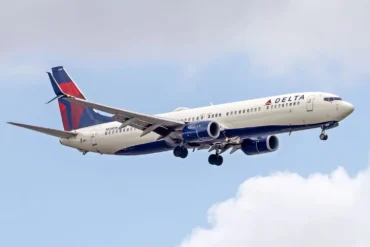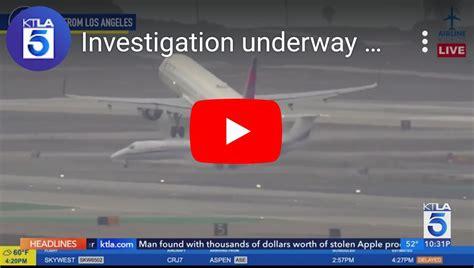
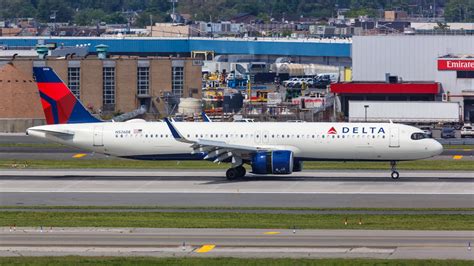
Passengers aboard Delta Flight DL2724 experienced moments of sheer terror on July 10, 2025, as their Airbus A321 hurtled down Runway 20R at Nashville International Airport (BNA), only to suddenly brake to a screaming halt. A small Piper Cherokee, having mistakenly crossed onto the active runway, forced Delta’s jet to abort takeoff within seconds of disaster. This narrow escape, now under intense scrutiny, has prompted an urgent Federal Aviation Administration (FAA) investigation into what officials are calling a critical breakdown in airport safety protocols.
Nashville’s Near-Fatal Incident Unfolds
At approximately 10:05 AM local time, Delta’s A321, bound for Minneapolis-St. Paul International Airport, had received clearance for takeoff. Simultaneously, a single-engine Piper Cherokee inbound from Rogersville, Tennessee, mistakenly rolled back onto the same runway, rather than turning as instructed onto Taxiway Kilo after landing. Air traffic controllers, recognizing the immediate danger, rescinded Delta’s takeoff clearance and alerted the flight crew.
Within the cockpit, Delta’s pilots executed an emergency stop procedure with razor-sharp precision. The aircraft’s tires screeched against concrete as engines wound down from full thrust. Passengers reported feeling their bodies pressed violently against seat restraints as the plane decelerated rapidly, mere seconds from impact with the Piper Cherokee.
The immediate avoidance of a catastrophic collision is being credited entirely to the swift decision-making of Delta’s crew and the alertness of Nashville tower controllers.
History of Close Calls at Nashville International Airport
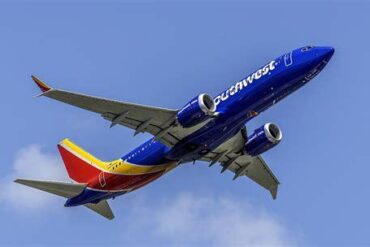
Alarmingly, this latest incident mirrors a near-collision from just nine months prior, where an Alaska Airlines jet was forced into a similarly abrupt stop to avoid a Southwest Airlines aircraft. That event left the Alaska plane immobilized on the runway, tires shredded from the emergency halt. Though both incidents concluded without injuries, aviation experts warn they underscore deeper systemic concerns within Nashville’s airfield safety infrastructure.
Aviation safety analysts note that repeated near-misses at the same airport suggest potential procedural flaws or infrastructural inadequacies not yet addressed by airport authorities.
FAA Opens Urgent Investigation into Safety Protocol Failures
The Federal Aviation Administration has now launched a formal inquiry to unravel how the Piper Cherokee re-entered an active runway after landing. According to radio transmission recordings, controllers had explicitly directed the Cherokee pilot to taxi right onto Taxiway Kilo. Investigators are examining whether:
- The pilot misunderstood the instruction.
- Radio communication was compromised.
- Revised instructions, not captured in logs, were issued.
Critical evidence includes cockpit voice recordings (CVR) from the Cherokee, radar movement data, and Nashville tower logs. The FAA aims to determine if human error, procedural gaps, or miscommunication contributed to the near-miss.
Delta Flight Crew’s Heroic Response Praised Industry-Wide
In aviation, aborting takeoff is among the most dangerous emergency maneuvers, particularly when an aircraft is at or near V1 speed—the critical velocity beyond which takeoff must proceed. Delta’s pilots, facing a fast-closing window, chose to abort in the final seconds before V1, managing to halt the accelerating A321 safely.
Aviation professionals have widely praised the Delta crew’s decision-making and technical skill, describing it as a textbook example of emergency response under pressure. Passengers aboard DL2724 were eventually able to depart later that morning aboard a replacement aircraft, though many remained visibly shaken by the ordeal.
Growing Industry Concerns Over Mixed-Traffic Runways
This incident amplifies ongoing debates across the aviation sector about safely managing runways shared by both large commercial jets and smaller general aviation aircraft. Airports like BNA, which handle thousands of mixed-traffic movements daily, must rely on strict procedural adherence and effective real-time communication to prevent such occurrences.
As global air travel surges in the post-pandemic era, the increased flight density elevates the risks inherent in complex runway operations. Safety margins, always narrow, continue to shrink, demanding rapid upgrades in both technology and procedural rigor.
Safety Technology Under Review After Recent Incidents
To counteract runway incursions, many airports have invested heavily in technologies such as:
- Advanced Surface Movement Guidance and Control Systems (A-SMGCS)
- Runway Incursion Detection and Alerting Systems (RIDAS)
- Digital taxi guidance with predictive hazard alerts
However, aviation experts emphasize that technology alone cannot eliminate risk. Controllers and pilots remain the crucial last line of defense, requiring continuous training, clear protocols, and moment-to-moment vigilance.
The Nashville incident starkly illustrates the vulnerabilities in this human-machine safety network. It also reinforces the relevance of aviation’s famed “Swiss Cheese Model”, where multiple layers of defense must align to prevent failures from compounding into disaster.
Passenger Experiences Highlight Emotional Toll
Passengers aboard Delta Flight DL2724 described the incident in visceral terms. Many recalled moments of panic as the aircraft lurched into an emergency stop. Parents clutched children, strangers held hands, and fear spread rapidly through the cabin as the realization of a near-disaster set in.
Post-incident interviews reveal increasing public concern over general aviation aircraft sharing active runways with large commercial jets, especially during peak hours. Simultaneously, passengers expressed deep gratitude for Delta’s professional flight crew and Nashville’s vigilant controllers, acknowledging that without their swift actions, the outcome could have been tragically different.
Nashville Airport Pledges Safety Review Amid Reputational Risk
Nashville International Airport authorities, now under intense public and federal scrutiny, have committed to a comprehensive review of operational safety procedures. As BNA’s passenger numbers surge, its transformation into a major U.S. hub necessitates heightened attention to airfield management.
Tourism officials and city leaders, aware of Nashville’s booming reputation as a travel destination, are keen to prevent further safety-related incidents that could undermine public confidence.
Industry-Wide Lessons from Delta’s Near-Miss
While the FAA’s detailed investigation may take months to conclude, aviation professionals agree on one urgent takeaway: proactive vigilance is non-negotiable. Even seemingly minor lapses in communication or pilot situational awareness can yield near-fatal outcomes.
In this case, the strength of aviation’s multi-layered defense system—alert controllers, skilled pilots, and functional emergency procedures—averted catastrophe. Nevertheless, the industry recognizes that avoiding future incidents demands:
- Improved communication protocols.
- Continuous crew training for high-pressure scenarios.
- Expanded use of automated surface detection technologies.
- Enhanced procedural clarity at high-traffic airports.
Conclusion: The Narrow Escape That Could Redefine Runway Safety
For the passengers of Delta Flight DL2724, the memory of screeching tires and split-second survival will linger. But their harrowing experience serves a broader purpose: a powerful reminder that aviation safety must never be taken for granted.
As global air travel accelerates through 2025, airports, airlines, and regulators face mounting pressure to ensure that every flight, no matter how routine, remains safeguarded against both predictable errors and unforeseen crises. The Nashville near-collision could well become the catalyst for sweeping safety reforms, ensuring that future passengers avoid similar terror on the tarmac.