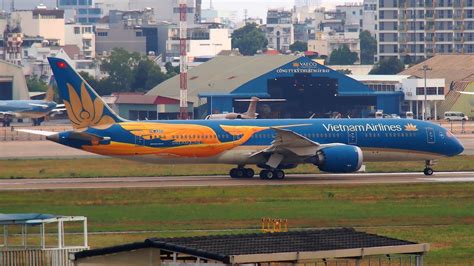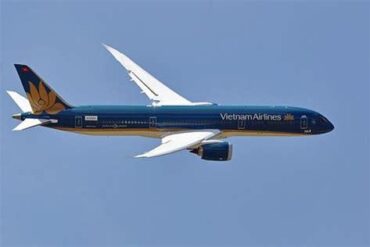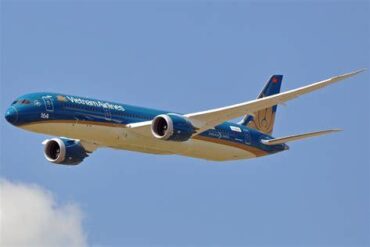
A serious ground collision involving two Vietnam Airlines aircraft at Hanoi Noi Bai International Airport (HAN) has led to four pilots being grounded and an official aviation investigation underway. The incident, which occurred on June 27, 2025, involved a Boeing 787-9 Dreamliner and an Airbus A321—both belonging to the national flag carrier of Vietnam. Though no injuries were reported, the accident prompted a swift response from aviation authorities and disrupted travel plans for nearly 400 passengers.
Details of the Incident: Boeing 787 vs Airbus A321
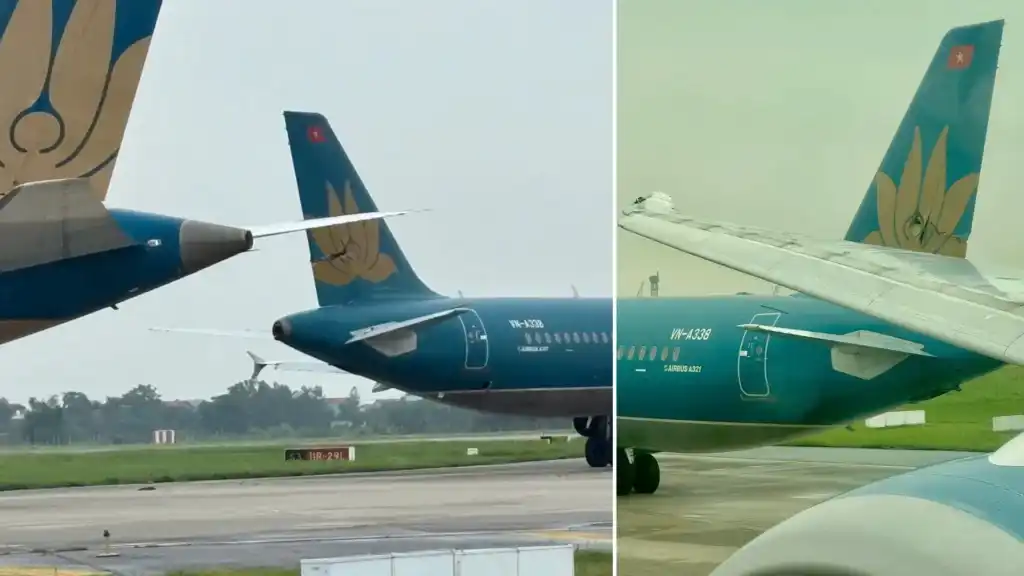
On the morning of June 27, a Vietnam Airlines Boeing 787-9 Dreamliner, registered as VN-A863, was taxiing for departure to Ho Chi Minh City with 259 passengers on board. As the widebody aircraft was navigating the intersection of taxiways S3 and S, its right wingtip struck the vertical stabilizer of a stationary Airbus A321 registered as VN-A338, which was scheduled to depart for Dien Bien with 127 passengers.
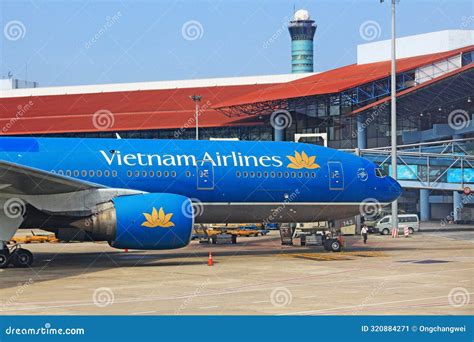
The collision occurred in a critical ground maneuvering zone where situational awareness, coordination, and cockpit discipline are paramount. The impact caused visible structural damage to both aircraft: the 787 sustained damage to its right wingtip, while the A321’s vertical stabilizer was compromised. Ground crew and aviation safety officers swiftly responded to the scene, and both aircraft were immediately grounded.
Immediate Aftermath: Disruption and Grounding
As a precautionary measure, all passengers from both aircraft were evacuated and later rebooked on alternative flights. Despite the absence of physical injuries, the psychological impact and flight delays underscored the operational risks that ground movement poses at busy international airports. Vietnam Airlines coordinated with airport authorities to reorganize flight schedules while ensuring both aircraft were safely removed and secured for inspection.
The Civil Aviation Authority of Vietnam (CAAV) responded within hours, dispatching an investigation team, securing cockpit voice and flight data recorders, and initiating formal proceedings. On the same day, the CAAV suspended four pilots—two from each aircraft—as part of standard safety protocol pending the outcome of the investigation.
Classification and Severity: Level B Serious Incident
In its preliminary findings, the CAAV classified the collision as a Level B serious incident under its aviation safety scale. According to international aviation standards, including those from the US Department of Transportation (DOT), Level B incidents are near-collision scenarios with elevated risk that demand immediate intervention to avoid catastrophe.
This designation underscores the gravity of the event, placing it just below Category A, which includes narrowly avoided mid-air or ground collisions. Level B incidents generally involve significant loss of separation, critical runway incursions, or close calls during takeoff or taxi procedures. The classification compels a deeper examination of operational procedures, communication protocols, and human factors.
Pilot Accountability and Procedural Scrutiny
The grounding of the four pilots aligns with standard safety enforcement policies. Under Vietnamese aviation regulations, pilots involved in ground collisions are suspended from duty pending both technical and behavioral assessments. The CAAV will evaluate elements such as cockpit decision-making, crew resource management (CRM), visibility, and ATC coordination at the time of the accident.
The incident has raised questions about situational awareness in congested ramp areas, particularly during peak operational windows at Hanoi’s rapidly growing international hub. Investigators will closely analyze cockpit voice recordings and flight path telemetry to determine whether there was pilot error, ATC miscommunication, or other contributing factors such as poor signage or surface markings.
Aircraft Grounding and Maintenance Protocols
Following the incident, both aircraft—VN-A863 (Boeing 787-9) and VN-A338 (Airbus A321)—have remained grounded for technical inspection and repairs. Damage to the 787’s composite wingtip may require specialized maintenance procedures, potentially involving winglet replacement or structural reinforcement, depending on internal assessment.
The A321’s vertical stabilizer damage is of particular concern given its critical role in flight stability. If the internal structure or mounting was compromised, extensive non-destructive testing (NDT) and potential component replacement will be needed. Vietnam Airlines has reportedly coordinated with Airbus and Boeing maintenance teams for support.
These two aircraft represent core assets in Vietnam Airlines’ fleet. The 787-9 is a long-haul workhorse used on North American and European routes, while the A321 serves high-frequency domestic and regional sectors. Their grounding may cause fleet shortages, requiring rapid fleet allocation and possible wet-leasing arrangements to maintain schedule integrity.
Previous Ground Incidents in 2025
This is not the first ground incident in 2025 to attract regulatory scrutiny. In May, two Alaska Airlines Boeing 737-800s clipped wings at Seattle-Tacoma International Airport (SEA) while pushing back. That same month, two United Airlines Boeing 777-300ERs made contact during ground operations, causing minor damage and schedule delays.
These incidents reinforce the recurring safety challenges of congested ramp environments. With increasing air traffic, particularly in the Asia-Pacific region, regulators face growing pressure to introduce enhanced surveillance, automated taxi guidance, and improved runway incursion prevention systems.
Human Factors and Taxiway Design Considerations
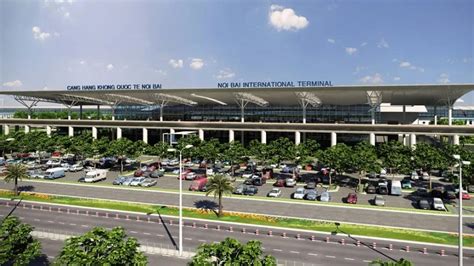
While the investigation continues, early indicators point toward a possible lapse in crew situational awareness or a failure in ATC-ground coordination. Taxiway S and S3 at HAN are known to be high-traffic junctions, and the geometry of their intersection may contribute to visibility issues. Ramp lighting, taxiway clearance markings, and stand allocation logistics are now under review.
Human factors remain central in most taxiing incidents. Variables like pilot fatigue, pressure to maintain on-time performance, and even cognitive overload during complex airport navigation can all contribute to errors. In response, Vietnam Airlines may be prompted to review internal SOPs, especially those related to pre-taxi briefings, wingtip clearance protocols, and radio communications discipline.
Broader Implications for Vietnam Airlines
The incident arrives at a critical time for Vietnam Airlines as it aims to expand its international footprint, including routes to North America. The carrier had recently announced plans to enhance its fleet utilization and global safety reputation as part of its strategic post-pandemic recovery.
However, a ground incident involving two of its own aircraft is likely to trigger both internal audits and external evaluations. Insurers and regulatory bodies may reassess premium calculations, while international partners—such as codeshare collaborators—will likely seek clarification on the airline’s risk management protocols.
In the broader context, such an incident could delay aircraft certification extensions, maintenance cycle renewals, or route expansion approvals from foreign authorities.
Outlook and Next Steps
The CAAV’s final report will be decisive in outlining accountability, corrective actions, and potential disciplinary consequences. Beyond assigning blame, the findings are expected to influence ground operations policies across major Vietnamese airports, especially with Noi Bai’s increasing air traffic.
For the passengers affected, compensation and rebooking are being handled by Vietnam Airlines, though no public statement has detailed the compensation structure. The airline has, however, reaffirmed its commitment to safety transparency and pledged full cooperation with regulators.
As the global aviation industry continues to rebound, incidents like this serve as stark reminders of the importance of ground safety—not just in the skies, but on the tarmac. In aviation, safety lapses can occur at any phase, and the ramp remains one of the most underestimated yet complex arenas of flight operations.