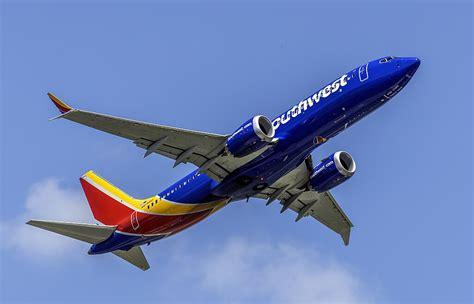
On May 22, 2025, Southwest Airlines Flight WN3239, en route from Nashville International Airport (BNA) to Phoenix Sky Harbor International Airport (PHX), was thrust into a terrifying ordeal at 32,000 feet. What should have been a standard journey spiraled into chaos when a passenger violently attempted to open the aircraft’s emergency exit mid-flight, prompting a dramatic diversion to Oklahoma City. The incident has since sparked national conversation over airline safety, mental health, and the evolving role of flight crews in modern aviation.
Midair Chaos: The Shocking Turn of Events on Flight WN3239
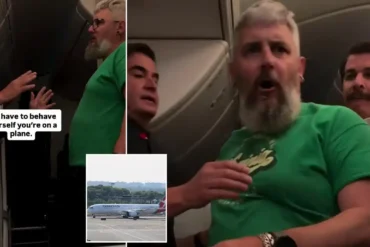
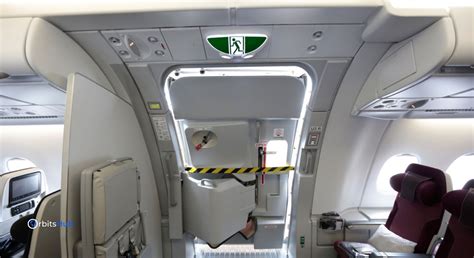
The flight had been cruising smoothly when the calm shattered. Passenger Jendaya Kashar Brennan reportedly erupted into a violent outburst, declaring in both English and Spanish her intent to open the emergency exit. According to federal filings, she defied repeated instructions from the crew, physically attacked flight attendants, and made a direct attempt to pull the emergency door handle.
Flight attendants stationed near the rear galley rapidly intervened, blocking her access. Despite their efforts, Brennan escalated the situation—kicking, spitting, and even grabbing a crew member’s neck lanyard in an apparent attempt to drag her down. The intensity and swiftness of her aggression pushed the aircraft into emergency response mode.

Heroic Crew and Passengers Prevent Disaster
As Brennan’s behavior threatened the safety of everyone onboard, two retired correctional officers, who happened to be passengers, leaped into action. They assisted the flight attendants in restraining her, physically securing her until the plane could land. The coordinated effort of trained professionals and courageous passengers prevented what could have been a catastrophic event in the sky.
The pilots, facing a rapidly escalating threat, made a quick decision to divert the flight to Will Rogers World Airport in Oklahoma City (OKC). Upon landing, law enforcement officials were waiting. Brennan was immediately taken into federal custody.
Federal Charges and Legal Ramifications
Brennan now faces multiple federal charges, including interference with flight crew operations and attempted endangerment of an aircraft—both of which carry severe penalties. These charges may result in years of imprisonment, substantial fines, and a permanent ban from commercial flights. The legal system is likely to pursue this case aggressively, setting an example amid rising incidents of in-flight violence.
Aviation attorneys and federal prosecutors are already signaling that this case may become a precedent-setting example in the fight against onboard aggression, signaling a clear zero-tolerance policy for midair disruptions.
A Disturbing Trend in U.S. Air Travel
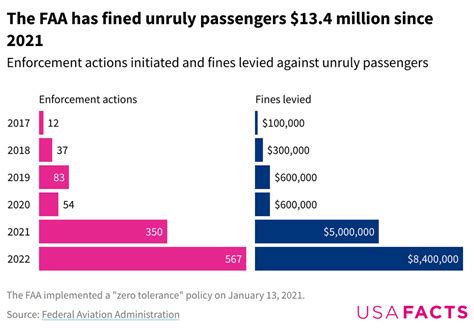
While the incident aboard Flight WN3239 is shocking, it is not isolated. Since 2021, reports of unruly passengers have skyrocketed in the United States, spurred by post-pandemic anxiety, mental health issues, and an overall increase in air travel demand. Airline staff have found themselves not only providing service but acting as first responders in crisis situations.
Organizations like the Federal Aviation Administration (FAA) have tracked thousands of in-flight disruptions annually, many involving aggression toward crew or fellow passengers. In response, carriers and regulatory bodies have ramped up crew training in de-escalation tactics, conflict resolution, and emergency procedures.
Southwest Airlines’ Internal Review and Public Response
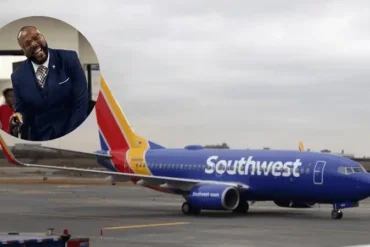
Southwest Airlines has launched an internal investigation into the incident, evaluating the crew’s response and assessing policy updates that could prevent future emergencies. The airline has praised its crew for their swift, disciplined actions, which ensured a safe outcome for everyone aboard.
In a public statement, Southwest reaffirmed its commitment to passenger safety, highlighting its continuous efforts to reinforce training, monitor behavioral risks, and collaborate with federal agencies to deter onboard violence.
Emotional Aftermath: Trauma in the Cabin
The psychological toll of the incident runs deep. Passengers and crew members were visibly shaken, some reportedly in tears as the plane made its emergency descent into Oklahoma City. What began as an ordinary day of travel became a nightmare.
Mental health professionals suggest that passengers involved in such events may experience acute stress reactions, including panic attacks, insomnia, or a reluctance to fly again. Airlines are now considering expanded access to post-incident trauma counseling for both passengers and staff.

Flight Attendants on the Frontlines
The flight crew’s professionalism has drawn praise, but it also raises questions about the burden placed on airline workers. Increasingly, flight attendants are being asked to operate as conflict negotiators, security enforcers, and emergency responders in addition to their traditional hospitality duties.
Unions representing airline staff are calling for more protections, including:
- Mandatory placement of sky marshals on high-risk routes
- Stronger penalties for passenger misconduct
- Access to non-lethal restraint tools onboard
- Enhanced mental health support for crew members
The flight industry now faces mounting pressure to reassess how it equips its employees to handle inflight emergencies.
Stricter Regulations Likely Ahead
The FAA and Department of Transportation are expected to re-evaluate current policies on handling passenger misconduct. New regulations may include:
- Expanded pre-flight behavioral screenings
- Implementation of real-time threat monitoring apps
- Increased collaboration with federal law enforcement for immediate action
Congressional hearings may also be held to explore the adequacy of current enforcement measures and whether stiffer penalties are needed to deter future incidents.
Impact on Passenger Confidence and Airline Protocols
For many travelers, this incident has shaken the foundational sense of safety associated with commercial aviation. Parents flying with children, elderly passengers with medical conditions, and solo travelers all now face heightened anxiety about potential in-flight disturbances.
Airlines must now balance customer service with security, reevaluating not just training, but also the design of cabin spaces, crew alert systems, and response protocols to ensure immediate control in the face of airborne threats.
Conclusion: A Wake-Up Call at 32,000 Feet
The attempted breach of the emergency exit on Flight WN3239 is more than a headline—it’s a stark reminder of the volatile realities that can unfold above the clouds. It underscores the need for enhanced vigilance, robust training, and renewed federal commitment to inflight safety.
As air travel continues to rebound, the balance between comfort and caution must shift. Airlines like Southwest are now at a crossroads—redefining protocols, supporting traumatized staff, and restoring public confidence. In the end, the successful diversion to Oklahoma City wasn’t just a logistical maneuver—it was a testament to human courage under extreme pressure.
The skies may be crowded, but they must never be lawless. Flight WN3239’s story is a warning—and a blueprint—for preventing the next midair crisis before it ever begins.