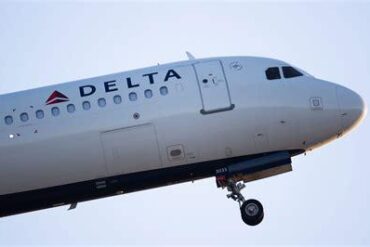
A routine transpacific journey turned into a high-stakes security incident when Delta Air Lines Flight DL69, en route from Seattle to Taipei, was forced to divert to Anchorage, Alaska, following a heated confrontation between a passenger and a flight attendant. What began as a seemingly minor interaction near the aircraft lavatory quickly spiraled into a volatile situation involving racial slurs, threats of violence, and attempted physical aggression, ultimately prompting intervention from crew, passengers, and federal authorities.
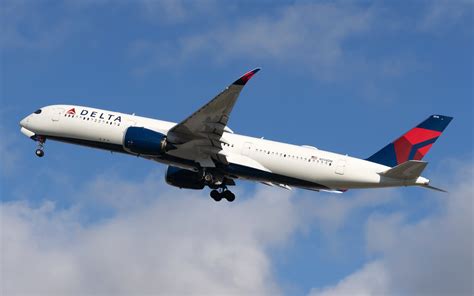
Operating on March 14, 2026, the flight was conducted by an Airbus A350-900 (registration N512DN), one of Delta’s flagship long-haul aircraft. Departure occurred shortly after 5:00 PM local time, with the aircraft climbing smoothly to cruising altitude at 36,000 feet. For the first portion of the journey, the cabin atmosphere remained uneventful, with passengers settling in for the long-haul crossing of the Pacific.
However, the calm would not last.
Midflight Dispute Near Lavatory Sparks Escalation
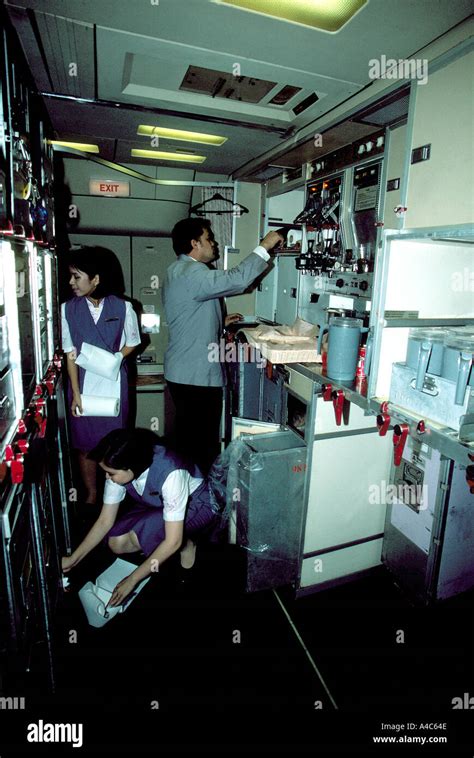
The incident reportedly unfolded after the first meal service, when a passenger approached the rear galley area where a flight attendant was taking a brief break. According to witness accounts and an FBI affidavit, the passenger forcefully grabbed the flight attendant’s shoulder to ask whether the nearby lavatory was occupied.
The interaction immediately took on a confrontational tone. The flight attendant responded by pointing out the occupied indicator on the lavatory door, a standard visual cue on modern aircraft. What might have ended there instead intensified, as the passenger allegedly continued making disrespectful remarks, both before and after using the restroom.
Tensions escalated further when the passenger exited the lavatory and resumed verbal attacks. The flight attendant, described as a physically fit, approximately six-foot-tall older male, responded in kind. This exchange quickly devolved into a heated verbal argument, drawing attention from nearby passengers.
Racial Slurs, Threats, and Attempted Violence Raise Alarm
As the argument intensified, the situation crossed a critical threshold. The passenger reportedly began using racial slurs, including deeply offensive language directed at the flight attendant, while also accusing him of discriminatory behavior. The verbal assault escalated into explicit threats of physical violence, including statements about intending to “kick” the crew member after landing.
At one point, the passenger allegedly swung toward the flight attendant, though no physical contact was made. Even without direct impact, this act marked a serious escalation, transforming the incident from verbal misconduct into a potential physical threat onboard an aircraft.
Witnesses described the passenger as already exhibiting problematic behavior prior to boarding, with alcohol consumption during the flight further exacerbating the situation. Several individuals onboard characterized him as disruptive even before departure, suggesting a pattern of escalating conduct rather than an isolated outburst.
Cabin Crew and Passengers Intervene as Situation Reaches Level 3 Threat
Recognizing the severity of the situation, the crew classified the disturbance as a Level 3 threat, a designation used for significant onboard security risks that may require restraint or diversion. In response, restraints were prepared, though ultimately not deployed, as crew members and passengers worked together to physically separate the individuals involved.
Multiple passengers moved toward the galley area in an attempt to de-escalate the confrontation, forming a buffer between the passenger and the flight attendant. The urgency of the situation was underscored by additional security measures, including blocking access to the cockpit, a precaution designed to protect flight deck integrity during disturbances.
One off-duty pilot, who was on a rest break and temporarily locked out of the cockpit due to security protocols, later described the altercation as so severe that it appeared imminent physical violence was unavoidable without intervention.
Diversion to Anchorage and Law Enforcement Response
Given the escalating risk, the flight crew made the decision to divert to Ted Stevens Anchorage International Airport (ANC). The aircraft landed safely, where law enforcement officers boarded the plane and took the disruptive passenger into custody.
The individual now faces charges related to interference with flight crew members, a serious federal offense in the United States that carries significant legal consequences. Such charges reflect the gravity of disrupting an aircraft in flight, particularly when safety is compromised.
The aircraft remained on the ground in Anchorage for several hours as authorities conducted their investigation and the crew ensured the cabin was secure for continued travel. Following the delay, Flight DL69 resumed its journey across the Pacific, ultimately arriving in Taipei at 12:21 AM, more than three hours behind schedule.
Alcohol, Behavior, and Accountability at 36,000 Feet
This incident once again highlights the volatile mix of alcohol consumption and confined environments in commercial aviation. While inflight service is a standard part of long-haul travel, excessive drinking can impair judgment and amplify aggressive tendencies, particularly in already tense individuals.
The passenger’s behavior—ranging from verbal abuse to physical intimidation—represents a clear breach of aviation safety norms. Airlines maintain strict policies regarding unruly passengers, and incidents like this often result in lifetime bans, fines, or criminal prosecution.
Yet the situation also raises broader questions about how conflicts are managed onboard. While the passenger’s actions were undeniably unacceptable, the interaction suggests that early de-escalation strategies may not have been effectively applied, allowing tensions to spiral.
The Critical Role of De-Escalation in Cabin Safety
Flight attendants are not only service providers but also trained safety professionals, responsible for maintaining order and responding to emergencies. In high-pressure situations, the ability to de-escalate conflict quickly and effectively can mean the difference between a manageable disturbance and a full-scale diversion.
In this case, reports indicate that the verbal exchange between the passenger and the flight attendant became increasingly antagonistic on both sides. While this does not diminish the severity of the passenger’s conduct, it underscores the importance of maintaining composure and creating distance when faced with aggressive behavior.
Effective strategies might include:
- Physically separating individuals involved in a dispute
- Engaging additional crew members early
- Limiting further interaction with the disruptive passenger
- Reducing environmental triggers, such as continued alcohol service
When these measures are not implemented swiftly, situations can escalate beyond control, as seen in this incident.
Operational and Passenger Impact of Unscheduled Diversions
Flight diversions are not merely logistical inconveniences—they carry significant operational, financial, and emotional costs. For passengers, an unexpected landing in a remote location like Anchorage disrupts travel plans, connections, and rest schedules. For airlines, diversions involve fuel costs, crew duty limitations, airport fees, and potential compensation claims.
Moreover, such incidents place additional strain on crew members, who must manage not only the immediate safety threat but also the aftermath, including coordinating with authorities and reassuring passengers.
Despite these challenges, safety remains the overriding priority. The decision to divert reflects a zero-tolerance approach to onboard threats, ensuring that risks are addressed decisively rather than allowed to escalate midair.
A Cautionary Tale at Cruising Altitude
The diversion of Delta Flight DL69 serves as a stark reminder of how quickly situations can deteriorate in the confined environment of an aircraft cabin. A single confrontation—sparked by a misunderstanding and fueled by hostility—can ripple outward, affecting hundreds of passengers and forcing drastic operational decisions.
At its core, this incident underscores two enduring truths of modern air travel: individual behavior matters, and professional response is critical. When either element falters, the consequences unfold not just at 36,000 feet, but across entire flight networks.
For airlines, crew, and passengers alike, the lesson is clear—maintaining respect, awareness, and control isn’t just good etiquette in the sky. It’s an essential part of keeping everyone safely on course.