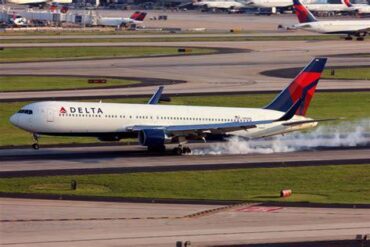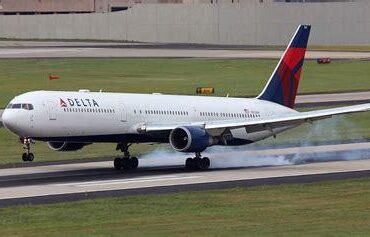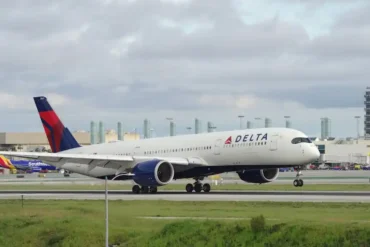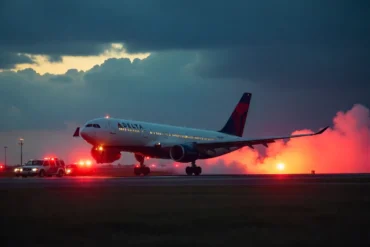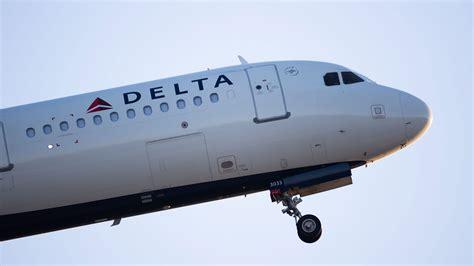
On July 7, 2025, what began as a routine transatlantic flight from Madrid to New York turned into a harrowing ordeal for the passengers of Delta Air Lines Flight DL127. The Airbus A330-323, carrying more than 200 people, suffered a sudden engine failure mid-ocean, forcing the crew to initiate an emergency landing at Lajes Airport on Terceira Island in the Azores. Although the flight ultimately landed safely, the incident underscores both the fragility and resilience of modern aviation.
Mid-Flight Terror Over the North Atlantic
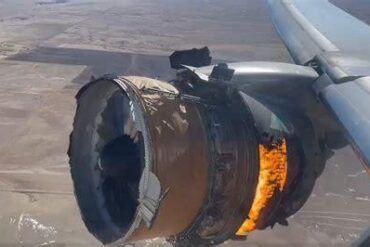
Flight DL127 had departed from Adolfo Suárez Madrid–Barajas Airport en route to John F. Kennedy International Airport in New York. Cruising over the North Atlantic, approximately midway through its journey, the aircraft—registered as N805NW—was rocked by a loud explosion-like noise followed by intense vibrations.
Several passengers recounted hearing a distinct “bang,” followed by the eerie silence of one engine going offline. The sudden change in cabin pressure and ominous mechanical sounds sent panic through the cabin. Passengers were visibly distressed; some wept, others clutched each other’s hands in prayer, and many feared they were about to experience a catastrophic ditching into the frigid Atlantic waters.
Flight attendants moved with precision, calming passengers and securing the cabin. The flight crew declared an emergency and diverted immediately to Lajes Airport, a military-controlled airfield with limited commercial infrastructure.
Emergency Diversion to a Remote Atlantic Outpost
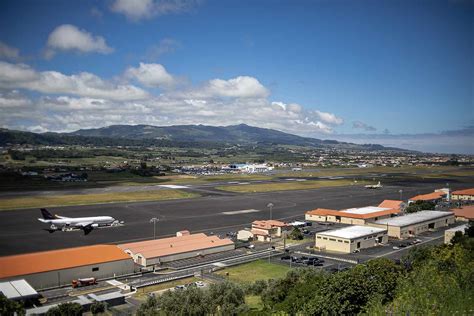
Situated on the Azorean island of Terceira, Lajes Airport is primarily a Portuguese Air Force base, occasionally used as an emergency diversion airport for transatlantic flights. As the aircraft approached the runway, the mood onboard remained tense. Many passengers described the descent as the longest hour of their lives.
Miraculously, the aircraft landed safely, with no physical injuries reported. It was met by Portuguese military personnel and towed to a section of the airport equipped to temporarily receive commercial jets.
Despite the safe landing, passengers soon found themselves in an unfamiliar and logistically under-equipped location.
Stranded in Terceira: Confusion and Humanity
Lajes Airport, although a strategic military base, was not built to accommodate hundreds of commercial travelers. Immigration officers scrambled to process arrivals, leading to hours-long delays. With no proper terminal facilities and minimal infrastructure for commercial passenger services, travelers were initially held in temporary areas.
Nonetheless, the unexpected stop brought moments of genuine compassion. One notable instance involved a local hotelier who took in a teenage passenger traveling alone, offering food, shelter, and reassurance. Such gestures evoked memories of Gander’s famed hospitality during the 9/11 diversions, echoing the spirit of community and shared humanity in times of crisis.
Delta Responds Swiftly with Contingency Measures
Once the emergency was contained, Delta Air Lines activated its crisis response plan. A second Airbus A330-323, registered as N822NW, was dispatched to rescue the stranded passengers. By the morning of July 8, travelers were re-boarded and continued their journey to New York City, albeit with a five-hour delay.
The original aircraft remained grounded in Terceira, pending the arrival of replacement engine components and further technical inspections. The airline later confirmed the event as a single-engine failure, which, while serious, was managed within the safety margins defined under ETOPS (Extended-range Twin-engine Operational Performance Standards).

Aviation Experts Weigh In: Why Engine Failures Still Matter
While modern twin-engine aircraft like the Airbus A330 are engineered to fly safely on a single engine, such incidents are stark reminders of aviation’s ever-present risks. Experts note that while extremely rare, engine failures during oceanic segments can quickly escalate into life-threatening situations due to the absence of immediate landing options.
This event comes at a time when airlines globally are pushing for maximum fleet utilization, sometimes straining maintenance schedules and parts availability. The aviation industry has noted a recent uptick in in-flight technical irregularities, largely driven by post-pandemic ramp-ups and global supply chain bottlenecks.
A Pattern? Delta’s Recent Engine Incidents Raise Questions
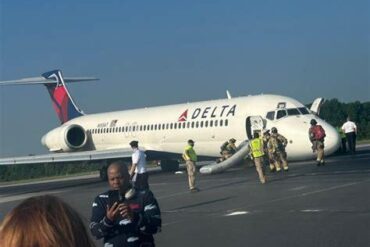
This is not an isolated occurrence for Delta in 2025. Just months earlier, on April 21, another Delta A330 flight from Orlando to Atlanta experienced an engine fire during takeoff. The plane aborted takeoff, and over 200 passengers were evacuated via emergency slides. Emergency services swiftly contained the fire, and there were no major injuries.
While not necessarily indicative of a systemic issue within Delta’s fleet, these repeated engine-related events are raising questions about maintenance intervals, operational stress, and long-haul aircraft longevity. Aviation authorities are likely to scrutinize these incidents collectively to ensure continued safety across the fleet.
Passenger Sentiment: Gratitude and Lingering Anxiety
Although relieved to have landed safely, several passengers expressed lasting emotional trauma from the ordeal. Many praised the calm professionalism of the flight and cabin crews, citing their presence as crucial in maintaining order during the emergency. Still, others voiced unease about future long-haul journeys, particularly over oceanic routes.
Social media was flooded with passenger testimonials, photos, and even cabin videos capturing the immediate aftermath of the engine failure. The real-time dissemination of these experiences placed additional pressure on Delta’s public relations and emergency response teams to manage perceptions proactively.
Strategic Importance of Diversion Airports
Incidents like DL127 underscore the continued importance of strategic diversion airports for transatlantic flights. Fields like Lajes, Shannon (Ireland), and Keflavík (Iceland) remain critical for emergency rerouting due to their geographic positioning and military-grade runways.
Although rarely used for actual diversions, their presence gives pilots the flexibility to land in emergencies without risking an extended journey on a compromised aircraft. Industry analysts stress that airline route planning and aircraft ETOPS certifications rely heavily on access to such facilities.
Conclusion: Safety, Response, and the Future of Air Travel
The emergency diversion of Delta Air Lines Flight DL127 is a stark reminder of how thin the line can be between routine and crisis at 35,000 feet. Though the aircraft landed safely and all passengers continued their journeys without injury, the incident highlights essential elements of modern air travel resilience: the design of the aircraft, the training of the crew, the readiness of ground response, and the emotional endurance of travelers.
Delta’s rapid deployment of a replacement aircraft and assistance for passengers showcases a well-practiced crisis response. At the same time, repeated engine-related incidents should prompt a renewed focus on preventive maintenance and fleet reliability.
As passenger volumes continue to surge post-pandemic and aircraft utilization increases, ensuring that every flight can withstand the ultimate test will remain the aviation industry’s paramount challenge. The story of DL127 stands not only as a cautionary tale but also as a tribute to the people — both on board and on the ground — who turn potential disaster into a story of survival and grace.