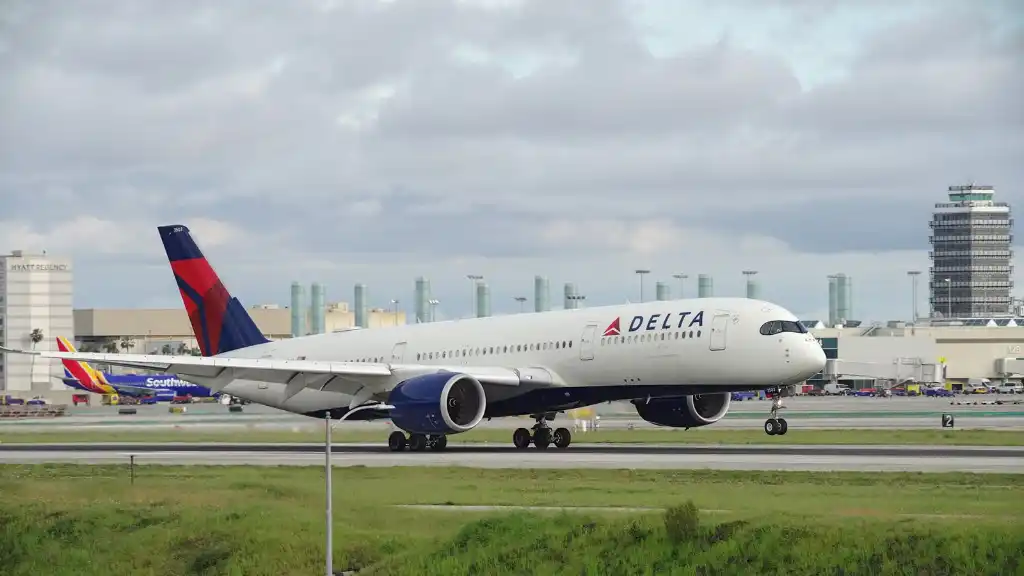
A routine transpacific flight between Shanghai Pudong International Airport (PVG) and Detroit Metropolitan Wayne County Airport (DTW) took an unexpected turn when a Delta Air Lines Airbus A350-900 diverted to Tokyo Haneda Airport (HND) due to a hydraulic malfunction. The incident occurred on November 28 as Delta Flight 388 was cruising northeast toward the United States, and the crew’s rapid decision-making ensured a safe landing in Japan.
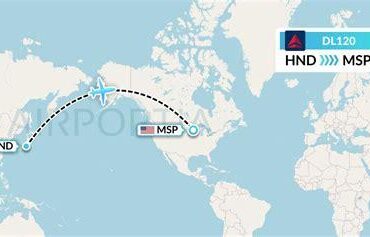
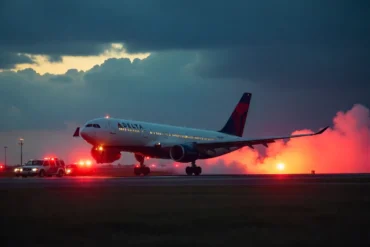
The aircraft departed Shanghai at 17:46 local time, climbing smoothly into its long-haul rhythm until the crew detected a hydraulic issue shortly after passing over Japan. At approximately 140 nautical miles north of Tokyo, they declared an emergency and initiated a diversion to the nearest major airport. Runway 34R at Haneda became the focal point of the operation as emergency teams assembled to receive the incoming widebody jet.
The arrival was safe and controlled, followed by a temporary runway closure that lasted around 30 minutes. The aircraft was eventually towed to the gate, and the remainder of the flight was canceled while passengers were left to navigate unexpected overnight delays in Tokyo.
Flight Crew Actions and Delta’s Official Response
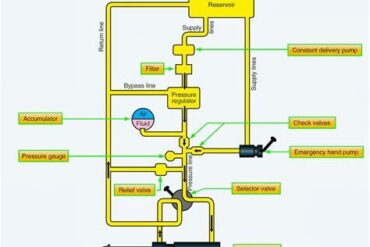
The crew’s decision followed established safety protocols designed to handle hydraulic anomalies, which are rare but taken seriously, particularly on technologically advanced aircraft like the Airbus A350. These systems influence critical flight controls, and even minor irregularities can require swift action to eliminate risk.
Delta Air Lines issued a brief statement emphasizing adherence to procedure and reaffirming its commitment to passenger and crew safety. The airline acknowledged the inconvenience caused by the diversion and highlighted that such decisions are always made with caution as the first priority.
Aftermath: Aircraft Grounded Overnight in Tokyo
The grounded A350—registration N512DN—remained parked at Haneda through the night as engineers initiated inspection protocols. Data from Flightradar24 shows that the aircraft repositioned the following day as DL9888, departing Tokyo at 23:14 on November 29 and arriving at Seattle-Tacoma International Airport (SEA) at 14:26 local time. From Seattle, a continuation flight carried the aircraft to Detroit later that evening.
After its brief unscheduled detour, the aircraft returned to normal long-haul service on November 30 with a flight from Detroit to Seoul, and subsequently prepared for its December 1 assignment operating DL26 from Seoul to Atlanta.
Understanding the Aircraft: A Look at N512DN
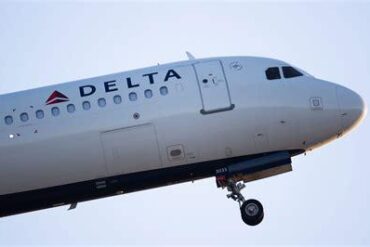
The A350-900 at the heart of the incident is a seven-year-old aircraft delivered to Delta in January 2019. It seats 306 passengers across three cabins—Business, Premium Economy, and Economy—and is powered by two Rolls-Royce Trent XWB-84 engines known for efficiency and long-range capability.
Its specifications include:
- Registration: N512DN
- Manufacturer Serial Number: 267
- First Flight: December 12, 2018
- Original Test Registration: F-WZGE
- Delivery Date: January 26, 2019
Delta currently operates 38 Airbus A350-900s, with six more on order and additional A350-1000 aircraft scheduled to join the fleet beginning in 2026.
Hydraulic Malfunctions on the A350: Rare but Serious
While the Airbus A350 platform is renowned for reliability, hydraulic issues can occasionally trigger alerts involving uncommanded control surface movements—situations airlines treat with utmost seriousness. Such risks underscore why the diversion was the most prudent course of action.
The Tokyo landing ultimately reinforced the disciplined safety culture surrounding modern aviation. Even with one of the world’s most advanced aircraft, redundancy and caution remain essential. Incidents like this highlight how aviation professionals manage unexpected in-flight challenges, ensuring that flights—even those interrupted—end safely.
The investigation results and technical findings surrounding the hydraulic anomaly will shape future safety reviews, while the aircraft continues its long-haul assignments across Delta’s growing A350 network.