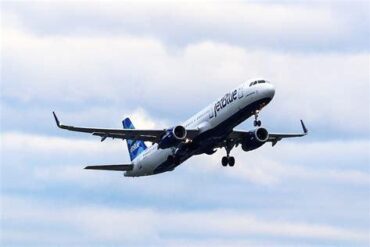
On June 27, 2025, a JetBlue flight from Boston to Las Vegas faced an unexpected crisis that forced the crew to divert to Denver International Airport (DIA). This incident, involving an Airbus A321, highlighted the unpredictable nature of air travel and the airline’s commitment to passenger safety. Despite the chaos, there were no injuries reported, and passengers were eventually re-accommodated on a replacement flight.
The flight, designated B61177, departed from Boston Logan International Airport at 7:24 AM. Everything appeared normal until the aircraft was nearing its cruising altitude of 34,000 feet when the hydraulic issue arose. The crew made the decisive call to divert the aircraft to Denver, landing safely at 9:44 AM local time. Registered as N991JT, this particular A321 had been part of JetBlue’s fleet since 2017, logging over 29,000 flight hours prior to this incident.

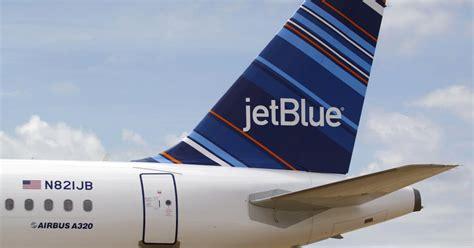
Upon landing in Denver, passengers disembarked only to find themselves stranded at the airport for several hours. The sudden change in plans understandably led to frustration among travelers, especially given the lack of immediate replacement aircraft. However, JetBlue acted swiftly to arrange for a replacement flight. An Airbus A320, registered N665JB, was diverted from another route originally intended for a service to New York, and it was repurposed to transport passengers to Las Vegas. This replacement flight took off at 2:26 PM and successfully arrived in Las Vegas at 2:51 PM local time, finally completing the journey that had initially been set for the A321.
This diversion had ripple effects across JetBlue’s operational schedule. For instance, Flight B61178, which was scheduled to fly from Las Vegas back to Boston, experienced significant delays due to the disruption caused by the hydraulic issue. Originally slated to depart at 11:45 AM, it was rescheduled to leave at 5:46 PM, illustrating the cascading impact that one flight’s delay can have on an airline’s network.
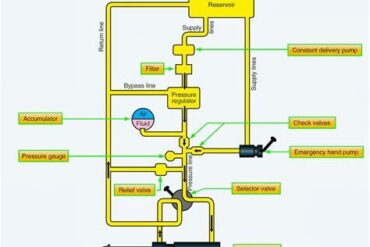
The hydraulic issues experienced by the A321 are not uncommon in aviation. Hydraulic systems play a crucial role in operating essential components such as flight controls and landing gear. The incident serves as a stark reminder of the potential for technology failures, even in modern aircraft that are generally regarded as reliable. Fortunately, JetBlue’s prompt response ensured passenger safety and comfort throughout the ordeal. The airline is now tasked with conducting a thorough inspection of the grounded A321 to identify the root cause of the hydraulic failure and perform any necessary repairs.
As airlines like JetBlue navigate the complexities of modern aviation, the incident also sheds light on their fleet’s evolution. JetBlue operates a diverse range of aircraft, including the A320ceo, A321neo, A321ceo, A220-300, and Embraer E190. While the A320 and A321 series have been central to the airline’s operations, they are gradually being supplemented by newer, more fuel-efficient models. Although the A321 has proven to be a reliable workhorse, it faces increasing competition from more advanced aircraft that offer better fuel efficiency and lower maintenance costs.
JetBlue has shown a proactive approach in upgrading its fleet, ensuring that it remains competitive while providing high-quality passenger service. The focus on modernizing aircraft is not merely about keeping up with industry trends; it’s also about enhancing operational efficiency and maintaining high safety standards for travelers.
In conclusion, the hydraulic issue experienced on Flight B61177 serves as a case study in the challenges airlines face in maintaining their fleets and ensuring passenger safety. Even amidst unforeseen complications, JetBlue’s ability to respond effectively highlights the importance of rigorous safety protocols and quick decision-making in the aviation industry. This incident is a reminder for travelers that while disruptions can occur, the dedication of airline staff and the robustness of their operational procedures can turn potentially stressful situations into manageable experiences. As the aviation sector continues to evolve, the lessons learned from incidents like this will undoubtedly contribute to improving safety measures and operational strategies across the board.