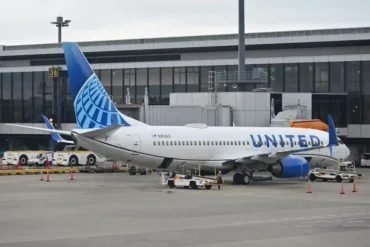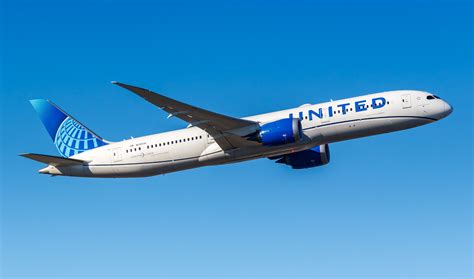
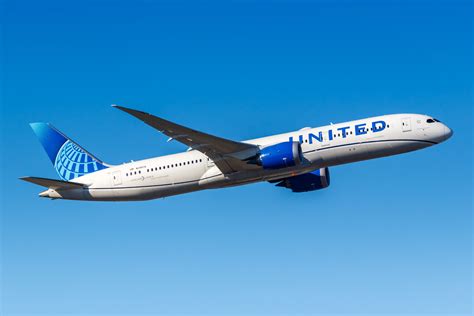
Passengers aboard a United Airlines Boeing 787-9 flying from Los Angeles to Tokyo Narita experienced a jarring disruption on July 12, 2025, when their transpacific journey was interrupted by a midair medical emergency. The aircraft, identified as tail number N29978, was operating Flight UA32 when an urgent onboard health crisis involving a flight attendant forced a diversion to Seattle-Tacoma International Airport. The incident has sparked intense scrutiny, operational ripple effects, and raised questions about aviation reliability in a tightly packed international schedule.
Emergency at 38,000 Feet: A Flight Changes Course
The emergency unfolded over the Pacific Ocean just hours after takeoff from Los Angeles International Airport (LAX). At approximately 23:00 UTC, automated communication from the aircraft via the Aircraft Communications Addressing and Reporting System (ACARS) flagged a “medical diversion”. Within minutes, air traffic control was notified and United’s operations center began real-time coordination for an emergency landing.
By 14:00 UTC, the Boeing 787-9 safely touched down in Seattle, where the affected flight attendant received immediate medical attention. Although no further evacuation or onboard crisis ensued, the impact was profound. The incident not only disrupted the flight’s transpacific journey but triggered a cascade of operational changes throughout United’s Pacific network.
A Dual Diversion: Unprecedented Operational Flip
What made this event truly unusual was a simultaneous rerouting involving two separate United flights. The Dreamliner that had diverted to Seattle—originally intended for Tokyo—was the same aircraft scheduled to operate United Flight UA008 from Seattle to Tokyo later that day. But as the medical situation played out and flight scheduling buckled, United reversed course.
Rather than continue as planned, UA008 was rerouted back to Los Angeles, effectively swapping destinations with the first flight. In one of the most logistically complex moves in recent memory, two Tokyo-bound flights reversed roles mid-journey, creating a tangled web of delays and confusion for passengers across multiple cities.
Passenger Fallout: Disrupted Journeys and Delayed Dreams
For travelers aboard either flight, the sudden changes translated into hours—if not days—of delay. Many passengers, especially international tourists and business travelers, found themselves stranded in unfamiliar cities. While United provided hotel accommodations for some and began rebooking efforts immediately, the emotional and logistical toll was significant.
Parents wrangled with children amid changed plans. Tour groups contacted travel agents in Tokyo to rearrange itineraries. Business travelers struggled to reschedule meetings or attend conferences. In terminals across Seattle and Los Angeles, customer service counters were inundated with questions and frustrated passengers trying to make sense of a surreal turn of events.
Behind the Scenes: United’s Operational Contortions
Airlines routinely prepare for diversions, but this instance tested even the most seasoned operations teams. The Boeing 787-9 is a highly utilized long-haul aircraft, often assigned on consecutive international legs with tight turnaround windows. A single disruption can result in a domino effect of missed connections, unavailable crew hours, and out-of-position aircraft.
The reversal of the Los Angeles and Seattle departures required:
- Rapid crew rescheduling within FAA-mandated duty time restrictions
- Aircraft sanitization and refueling at an unexpected airport
- Reassignment of international gate slots and flight numbers
- Real-time coordination with Tokyo Narita ground control
United Airlines demonstrated notable flexibility under pressure, using its extensive North American network to minimize chaos. However, even the best-laid plans couldn’t erase the ripple effect across one of the world’s busiest transpacific corridors.
Human Cost: Concern for Crew, Strain on Passengers
Beyond the disruption, what united passengers most was concern for the ill flight attendant. The bond between crew and travelers—especially on long-haul journeys—is often more personal than procedural. Passengers described the moment they realized something was wrong: cabin service slowed, whispers among flight attendants intensified, and eventually an intercom announcement confirmed the decision to divert.
Some travelers reported emotional strain: long lines, missed holidays, and panicked calls home to explain the situation. Others noted the impressive professionalism of the remaining crew who, under stress, maintained calm and assisted passengers during an uncertain and lengthy rerouting.
The Pacific Corridor: High Stakes and High Volume
The route from the U.S. West Coast to Japan is not merely a connection between continents—it is a strategic artery of global commerce and travel. According to U.S. DOT figures, nearly 2 million passengers moved between the two nations in just the first half of 2025.
Airlines like United, ANA, and Japan Airlines operate with razor-thin margins on these routes, maximizing aircraft efficiency and schedule adherence. The Boeing 787-9, with its long range, fuel efficiency, and high-capacity cabin, is the backbone of this strategy. Any unexpected event, particularly a midair medical emergency, forces a recalibration of these carefully timed operations.
When one of these long-haul assets is grounded or diverted, it creates a ripple effect felt not just by travelers, but also by cargo shippers, maintenance crews, and global scheduling systems. It is a potent reminder that aviation, for all its automation and optimization, remains profoundly human.
Industry Response: Navigating the Era of Disruption
The July 12 event lands at a time when the airline industry is still emerging from the pandemic’s aftershocks. While passenger volumes are up, staffing remains tight, aircraft availability is stretched thin, and geopolitical risks—such as route closures and fuel supply constraints—loom large.
Airlines have invested heavily in irregular operations (IROPs) management systems, advanced analytics, and crew rotation algorithms. Yet, as this incident shows, even cutting-edge systems can’t fully account for human unpredictability. Medical emergencies, in-flight behavioral issues, and even minor mechanical faults can derail an entire day’s schedule.
The Passenger Experience: From Disruption to Recovery
In the hours and days following the incident, United began its recovery phase. Rebooking passengers on next-day flights to Tokyo, arranging overnight accommodations, and deploying customer service teams to both LAX and SEA were immediate priorities.
Some passengers reported offers of travel credits or frequent flyer mileage bonuses. Others criticized the speed of communication, noting that email and app updates lagged behind word-of-mouth and social media. Still, most agreed that the airline’s staff on the ground acted with professionalism and empathy under difficult conditions.
As of July 14, no official update has been released regarding the condition of the flight attendant, but internal sources suggest stabilization after medical intervention. United has not confirmed whether this crew member will return to active duty soon, citing privacy regulations and medical confidentiality.
Lessons Learned and the Road Ahead
For airlines, this event is a case study in adaptive response. For passengers, it is a stark lesson in travel uncertainty. With demand for international flights climbing rapidly, resilience, transparency, and speed of recovery will become key differentiators for airline brands.
This diversion may be over, but its lessons linger. Aircraft are machines; schedules are numbers. But aviation is a human endeavor, and moments like this remind all involved—crew, carriers, and customers—that safety, empathy, and adaptability are the wings that keep the system airborne.
As United Airlines restores its operations and passengers finally land in Tokyo, the skies between North America and Asia remain as vital—and as unpredictable—as ever.