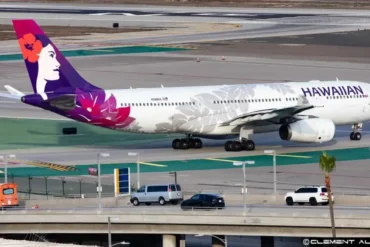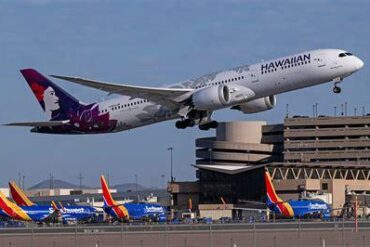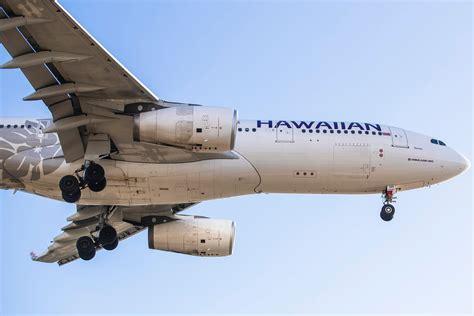
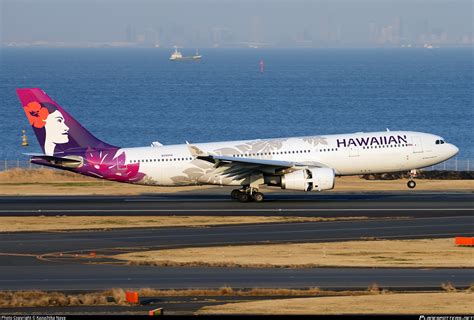
A mysterious cockpit odour has forced a Honolulu-bound Hawaiian Airlines Airbus A330 to abort its journey and return to Tokyo, marking yet another unnerving incident in commercial aviation. The flight, identified as HA864, departed from Tokyo’s Haneda Airport on June 23, 2025, destined for the tropical paradise of Honolulu, Hawaii. But just minutes after takeoff, the crew faced a situation no airline ever wants to encounter.
Routine Flight Turns into High-Altitude Alarm
The aircraft involved, an Airbus A330-243 registered N375HA, had barely ascended to 6,000 feet when an unexpected odour permeated the cockpit. Though there were no signs of smoke or visible malfunction, the distinct, unexplained smell triggered immediate concern among the flight crew.
Exercising strict aviation safety protocols, the pilots requested an emergency return to Haneda. In a meticulously coordinated maneuver, the aircraft turned back, landing safely on runway 16L approximately 35 minutes after departure. Emergency vehicles were on standby, but fortunately, no visible fire or structural issues were detected.
Passenger Experience: From Anticipation to Anxiety
For the 268 passengers and 13 crew members aboard, what was meant to be a smooth transpacific journey turned into an unsettling experience. Excitement for Hawaiian beaches quickly dissolved into apprehension as the plane’s unexpected descent and the presence of emergency services on the tarmac painted a sobering picture.
Passengers were left grappling with unanswered questions as their vacation plans collapsed in an atmosphere of uncertainty. The airline promptly provided accommodations and attempted to rebook affected travellers, but for many, the disruption extended far beyond logistics—it shook their confidence in aviation safety.
Investigations Underway, But the Cause Remains Elusive
Despite thorough inspections following the incident, Hawaiian Airlines and maintenance teams have yet to publicly disclose the precise source of the odour. The aircraft remained grounded for over 24 hours as technicians meticulously examined critical systems, including avionics, ventilation, and electrical components.
The lingering mystery fuels speculation, especially among passengers and aviation experts eager for answers. Such unexplained odours often point to issues ranging from minor ventilation irregularities to potential electrical faults or chemical leaks—any of which demand urgent investigation.
Japan’s Summer Travel Boom Faces Unwanted Disruption
The incident comes at a critical moment for Japan’s aviation and tourism industry. With post-pandemic borders fully reopened and summer travel demand surging, airports like Tokyo Haneda are operating at maximum capacity.
Millions of travellers are arriving daily, eager to explore Japan’s cultural landmarks or transit to other destinations like Hawaii. Airlines have expanded schedules, and travel infrastructure is under intense pressure. Yet, incidents like HA864’s emergency return threaten to erode public confidence—a fragile element in aviation’s success.
Even without injuries, perceptions of risk influence passenger decisions. A mysterious cockpit odour, especially one unresolved after 24 hours, casts a shadow over otherwise booming travel statistics.
Operational Domino Effect Across Airlines and Tourism
The grounding of the Airbus A330, one of Hawaiian Airlines’ flagship long-haul jets, triggered a cascade of operational challenges. Reallocating aircraft, rescheduling crews, and accommodating displaced passengers strains an already overstretched system.
In peak travel seasons, airlines have little room for flexibility. Delays ripple across flight networks, affecting connections, hotel bookings, and ground transport providers. Tour operators catering to Japanese tourists bound for Hawaii also face the fallout, as uncertainty clouds holiday plans.
For Hawaii, Japanese visitors represent a vital economic lifeline. Any erosion in travel confidence due to aviation incidents risks undermining hard-won recovery efforts.
Aviation Safety Under the Microscope
Unidentified odours inside an aircraft cockpit are treated with the utmost seriousness within the aviation industry. Though this incident did not involve visible smoke, history shows that such odours can indicate hidden mechanical or electrical failures.
Protocols demand immediate action—even precautionary landings—to eliminate all uncertainty. Yet, passengers and industry observers alike demand transparency and timely explanations.
Hawaiian Airlines has thus far exercised caution in its public statements, likely awaiting conclusive findings from maintenance teams and regulatory bodies.
Regulatory Scrutiny and Public Reassurance
Japan’s aviation authorities, recognised for enforcing some of the world’s strictest safety standards, are actively monitoring the situation. Every anomaly, however minor, invites scrutiny, as global aviation operates under intense interconnected oversight.
Public confidence hinges on clear communication. Silence or delays in sharing investigation outcomes risk fuelling speculation, especially across social media platforms where rumours spread rapidly.
Financial and Strategic Repercussions for Airlines
Beyond safety concerns, the financial implications for Hawaiian Airlines are significant. Keeping a long-haul aircraft like the A330 grounded incurs thousands of dollars in direct costs per hour—ranging from crew overtime to maintenance expenses and passenger care.
In peak summer schedules, aircraft availability is stretched thin. Losing even a single plane disrupts route planning, burdens staff, and reduces operational flexibility.
Strategically, the incident tests Hawaiian Airlines’ ability to maintain service reliability, especially on critical routes connecting Japan and Hawaii—a market segment essential to the carrier’s profitability.
Emotional Impact: Passengers Demand Clarity
Travellers aboard HA864 experienced not only logistical disruption but emotional stress. The sudden descent, visible emergency preparations, and lingering mystery surrounding the odour eroded trust.
For many, the prospect of boarding another flight carries heightened anxiety unless airlines provide swift, detailed explanations.
In aviation, clear and honest communication is paramount. Transparency helps mitigate fear, rebuild trust, and demonstrate operational control. Hawaiian Airlines faces mounting pressure to share investigation results promptly.
The Bigger Picture: Aviation’s Fragile Confidence Amid Growing Demand
The HA864 incident underscores how quickly confidence in air travel can falter. As Japan anticipates record-breaking travel numbers this summer, the aviation ecosystem’s resilience faces constant tests.
Demand for seamless, predictable journeys clashes with aviation’s inherent unpredictability. While incidents remain statistically rare, each one reverberates through an interconnected global network.
A single odour drifting through a cockpit—a seemingly minor anomaly—has rippled into disrupted schedules, anxious passengers, and heightened industry vigilance.
Until the mystery behind the Hawaiian Airlines Airbus A330’s odour is conclusively solved and publicised, that sense of unease lingers, casting a faint shadow over Japan’s ambitious summer tourism boom.
For now, travellers, regulators, and airlines alike await the next update in this unfolding aviation puzzle.