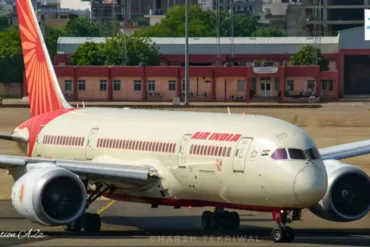
India’s national carrier, Air India, is facing heightened regulatory scrutiny after the Directorate General of Civil Aviation (DGCA) identified 51 safety violations in its latest annual audit, raising serious concerns about the airline’s operational integrity. This revelation comes at a critical juncture, as the carrier remains under the spotlight following intensified oversight triggered by post-Boeing 787 operational investigations.
The DGCA’s comprehensive audit, covering eight major Indian airlines, exposed systemic shortcomings across the sector. However, Air India’s 51 flagged violations — including seven classified as Level 1, the most critical — have garnered significant attention, especially considering the airline’s prominence in India’s aviation ecosystem.
DGCA Audit Unveils Alarming Safety Gaps
The DGCA’s annual audit identified a total of 263 safety issues across eight carriers, underscoring the persistent challenges facing Indian aviation. For Air India, the findings included 44 Level 2 issues, categorized as serious but non-critical, and seven Level 1 lapses deemed severe enough to directly endanger flight safety if left unaddressed. Such violations often prompt regulatory interventions, including potential penalties or operational restrictions.
Among other airlines, Alliance Air recorded 57 findings, Ghodawat Star 41, Quick Jet 35, IndiGo 23, and SpiceJet 14, reflecting a widespread industry challenge that extends beyond a single operator. Notably, Level 1 violations, as defined by the International Civil Aviation Organization (ICAO), can lead to drastic regulatory actions, including the suspension or revocation of licenses if not promptly corrected.
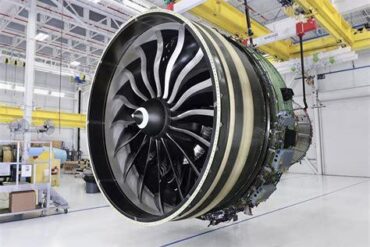
The DGCA has refrained from disclosing the precise nature of the most severe violations but confirmed that they primarily involve pilot training deficiencies, unapproved simulator usage, and inefficient crew rostering systems. In addition, reports indicate that some Boeing 787 and 777 pilots failed to complete mandatory monitoring duties due to lapses in recurrent training programs.
Three-Month Window for Corrective Actions
In accordance with standard regulatory protocols, airlines are given up to three months to rectify flagged safety issues. However, extensions may be granted if the operator submits a comprehensive corrective action plan. The DGCA’s audit is part of its Annual Surveillance Plan, developed in alignment with ICAO standards, ensuring that Indian airlines remain compliant with globally accepted safety frameworks.
Sources close to the matter suggest that Air India is already preparing a multi-phase compliance strategy, focusing on upgrading pilot training programs, acquiring approved simulators, and revamping rostering mechanisms to address scheduling inefficiencies that can compromise rest and performance standards.
Transparency and Self-Reporting: A Changing Safety Culture
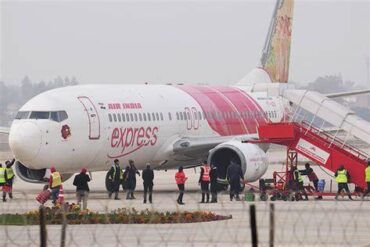
Despite the gravity of the findings, there is a noticeable shift toward proactive safety management within the Indian aviation sector. Earlier this year, Air India Express, the carrier’s low-cost subsidiary, was flagged for failing to replace critical Airbus A320 engine components and for falsifying maintenance records. While this incident prompted a regulatory warning, it was also revealed through self-reporting, demonstrating an increasing commitment to transparency.
DGCA chief Faiz Ahmed Kidwai acknowledged this positive cultural shift, highlighting how voluntary disclosures allow regulators to act swiftly to mitigate potential risks. “While violations are disappointing, the willingness of airlines to report their own lapses indicates a maturing safety culture,” Kidwai noted. He further assured that India’s aviation safety record remains above the global average, as confirmed by ICAO data on accidents per million flights.
India’s Aviation Safety Record: A Broader Perspective
Between 2010 and 2024, India’s aviation industry exceeded the global accident rate only twice, involving major incidents such as the Air India Express Flight 1344 crash in August 2020, which claimed 21 lives, and the Air India Flight 812 crash in 2010, which resulted in 158 fatalities. These tragedies underscore the high stakes of operational lapses, yet they also highlight the rarity of such catastrophic events within India’s otherwise strong safety framework.
Interestingly, the number of technical faults reported by Indian airlines has surged, with 2,461 incidents logged between 2020 and early 2025. IndiGo led the tally with 1,288 reported faults, followed by SpiceJet (633) and Air India and Air India Express combined (389). While this rise may seem concerning, regulators interpret it as a sign of growing transparency and vigilance.
Post-Boeing 787 Oversight and Its Influence on the Audit
The heightened scrutiny on Air India is partly a byproduct of global concerns surrounding Boeing 787 operations, with international regulators closely monitoring carriers that operate the type. Air India, as a major 787 operator, has been subject to enhanced post-incident checks, resulting in deeper audits of its training programs, maintenance regimes, and operational decision-making frameworks.
The DGCA’s findings now reflect a broader narrative: India’s carriers are under unprecedented international and domestic scrutiny, requiring them to adopt world-class safety management systems that go beyond basic compliance.
The Path Forward: Regulatory Compliance and Public Confidence
Air India has pledged to cooperate fully with the DGCA, emphasizing its commitment to corrective actions and continuous improvement. In a public statement, the airline reiterated its priority on passenger safety and assured that the audit findings would translate into actionable reforms rather than symbolic measures.
Industry analysts suggest that restoring public trust will require more than compliance. Air India will need to demonstrate measurable progress in key operational areas, including:
- Enhanced recurrent training for pilots and technical staff.
- Investment in ICAO-approved simulators to replace unapproved equipment.
- Streamlined crew rostering systems to minimize fatigue-related risks.
- Robust internal reporting frameworks to identify and address safety lapses before they escalate.
Such reforms, while resource-intensive, are critical to reassuring both regulators and the flying public that the carrier is committed to the highest safety standards.
Conclusion: A Defining Moment for Air India and Indian Aviation
The 51 violations identified within Air India’s operations mark a pivotal moment for the airline and the wider Indian aviation industry. While the findings underscore operational vulnerabilities, they also reflect an evolving regulatory landscape that prioritizes transparency, accountability, and proactive safety management.
For Air India, the road ahead will be defined by its ability to address these safety gaps comprehensively, embrace systemic reforms, and rebuild public confidence. With the DGCA maintaining its strict oversight and the global aviation community watching closely, this is more than just an audit report — it is a call to action for Indian aviation to fortify its safety culture for the future.