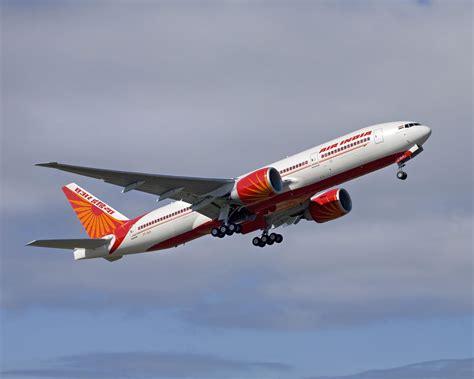
India has recently heightened its regulatory scrutiny over Air India, a significant player in the country’s aviation sector, following alarming discoveries regarding flight duty time violations that have raised serious questions about passenger safety and airline accountability. The Directorate General of Civil Aviation (DGCA) has issued a show-cause notice to the airline after spot checks revealed that flight crews operating routes from Bengaluru to London had exceeded the mandated 10-hour duty limit. These breaches not only compromise the well-being of the crew but also jeopardize the safety of passengers, emphasizing the need for stringent measures to uphold established aviation standards.
The DGCA’s investigation originated from routine spot checks conducted on Air India flights, specifically AI133, which took place on May 16 and 17. During these checks, it was found that the flight crews exceeded the permissible duty hours, raising grave concerns about adherence to safety protocols. The issuance of the show-cause notice requires Air India to provide a comprehensive explanation detailing why enforcement actions should not be pursued against them. Such regulations are critical as they ensure that flight crews remain well-rested and capable of performing their duties effectively. Fatigued crew members can pose significant risks to flight operations, making compliance with these rules imperative.
The DGCA’s primary responsibility is to oversee the aviation sector in India, ensuring that all airlines operate in alignment with safety norms and guidelines set forth by the regulatory authorities. In light of the findings, the DGCA has granted Air India a seven-day window to respond to the notice and outline measures aimed at preventing future violations. This incident underscores the ongoing necessity for strict oversight within the aviation industry. The DGCA’s proactive approach in identifying and addressing potential risks through spot checks and audits plays a crucial role in maintaining rigorous safety standards.
For Air India, owned by the Tata Group, this situation carries significant implications. The airline’s response to the DGCA’s notice will be closely monitored by industry stakeholders and passengers alike, as it could set a precedent for handling regulatory breaches in the future. While Air India has yet to release an official statement regarding the notice, it is anticipated that the airline will fully cooperate with the DGCA’s investigation. This cooperation may involve a thorough review of internal policies and procedures to avert the recurrence of such violations. Potential measures could include enhancing crew training focused on duty time regulations, improving monitoring systems, and implementing additional checks and balances.
As Air India prepares to respond to the DGCA, the outcome of this inquiry could lead to various sanctions, including fines, operational restrictions, or heightened regulatory scrutiny. The immediate impact of this incident remains uncertain, but it serves as a stark reminder of the high level of responsibility airlines hold in maintaining safety standards. With the aviation industry experiencing rapid growth both domestically and internationally, it is crucial that all stakeholders prioritize safety above all else.
The DGCA’s actions reflect the overarching importance of upholding strict safety standards within the aviation sector. All airlines, including Air India, must comply with the regulations designed to protect both passengers and crew. This case highlights the vigilance required from regulatory bodies in enforcing rules governing air travel, as even minor violations can lead to severe ramifications for the entire aviation industry.
In an era where passenger safety is paramount, the revelations about Air India’s flight duty time violations cannot be taken lightly. The need for compliance with duty time regulations remains a cornerstone of aviation safety. As Air India navigates this regulatory challenge, it is essential for the airline to not only address the current violations but also to foster a culture of safety that prioritizes the health and well-being of both its crew and passengers. The implications of this incident extend beyond Air India, serving as a cautionary tale for other airlines operating within India and around the world, reinforcing the notion that safety must always come first in the aviation industry.