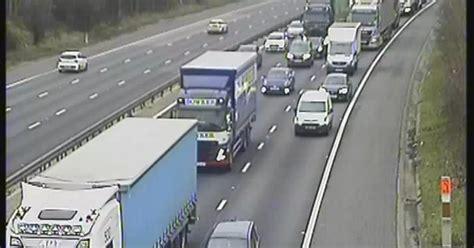
In the early hours of Saturday, July 26, 2025, chaos unfolded on the M11 motorway, particularly near London Stansted Airport, as two separate crashes led to severe traffic disruptions. The incidents, which occurred near Junction 8 (Stansted) and Junction 9, resulted in significant delays, affecting countless drivers and commuters trying to navigate their way to and from one of the busiest airports in the UK. With both directions of the motorway brought to a standstill, the emergency services quickly mobilized, but the aftermath left travelers grappling with long waits and mounting frustrations.
The series of accidents not only halted traffic but also necessitated a comprehensive emergency response. National Highways, the authority overseeing road management in the area, promptly issued warnings about potential for “very long delays” even after lanes were reopened. The reality was stark; although the wreckage was cleared, the effects of the chaos lingered well into the day, leaving many drivers stuck in slow-moving queues that often stretched for miles.

For southbound travelers, the gridlock extended for up to five miles, while those heading north faced an even more daunting situation, with backups reaching seven miles. Many passengers headed to London Stansted Airport were particularly anxious about missing their flights, as the congestion had a ripple effect on local and international travel plans. The M11 serves as a crucial artery connecting key regions of the Southeast, thus making the impact of these accidents felt beyond just the immediate vicinity.
Extended Congestion and Its Aftermath
Even after the initial emergency response concluded, the congestion persisted. Reports indicated that travel times for many commuters doubled or even tripled due to the chaotic circumstances. The extensive damage to the road infrastructure resulting from the crashes necessitated additional repairs, contributing to prolonged delays. It became apparent that the disruption would not simply dissipate once traffic resumed; it would have a lasting impact on the morning commute.
As emergency responders worked tirelessly to clear debris and restore order, travelers expressed their frustrations. Many were left contemplating the resilience of their daily routines, especially those whose schedules were tightly interwoven with the demands of work, school, or important appointments. The sheer volume of vehicles being rerouted through alternate routes added to the congestion, highlighting the intricate web of dependencies that characterize commuter travel in the region.
Growing Concerns About Road Safety
This series of incidents has sparked renewed discussions about the overall safety of the M11, particularly around areas prone to accidents. The M11 is not just a major thoroughfare; it’s a lifeline for many who rely on it for daily commutes or airport access. The increased frequency of accidents on such critical routes raises questions about necessary improvements in traffic management and safety protocols.
Experts and local officials are calling for enhanced measures to mitigate risks associated with heavy traffic, especially during peak hours. The necessity for better road signage, improved safety features, and faster response mechanisms in the event of accidents has never been more pressing. With the M11 experiencing heightened traffic volumes, particularly during busy travel periods, the need for proactive measures cannot be overstated.
Long-Term Implications for Commuters and Travelers
The fallout from the recent crashes on the M11 extends far beyond just the immediate delays experienced by drivers. For many, the incident served as a stark reminder of how vulnerable travel times can be in the face of unexpected events. As thousands of drivers traverse this key route daily, the disruptions have instilled a sense of urgency among those navigating their way to work or catching flights.
While the lanes may eventually reopen, the lessons learned from this event highlight the critical need for improved infrastructure to handle future incidents. Commuters are left questioning how such disruptions can be minimized and what measures can be put in place to ensure smoother traffic flow in the future. The reliance on the M11 for both local travel and access to London Stansted Airport underscores the importance of maintaining high standards of road safety and efficiency.
Preparing for Future Traffic Disruptions
As the community reflects on the chaos caused by these recent accidents, there is a clear consensus on the need for more proactive safety measures on the M11. Calls for clearer signage, more robust road safety features, and efficient accident response strategies are gaining traction. As a key transport route, the M11’s safety cannot be compromised, and enhancing its infrastructure should be a top priority moving forward.
The swift response from emergency services during the incidents demonstrated preparedness, yet the long-lasting effects on travel times reveal the need for ongoing investment in road safety. As traffic volumes continue to rise and travel becomes increasingly vital, ensuring that the M11 remains a reliable route is essential for preventing similar disruptions in the future.
Conclusion: A Call for Action
In conclusion, the events surrounding the crashes on the M11 near London Stansted Airport serve as a poignant reminder of the complexities and vulnerabilities inherent in modern travel. The chaos that ensued following these incidents not only disrupted the daily lives of countless commuters but also illuminated critical areas requiring improvement in road safety and traffic management. As stakeholders consider the road ahead, there is a collective call for action to ensure that the M11 remains a safe and efficient corridor for all travelers, reflecting the importance of continuous investment in infrastructure and safety protocols.