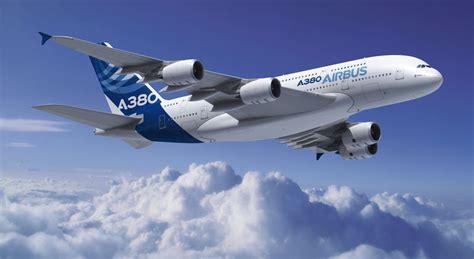
The Airbus A380, a monumental feat of engineering, was initially envisioned to revolutionize the aviation industry. As the largest commercial passenger aircraft ever produced, it was seen as the future of air travel. However, despite its size and technological advances, the aircraft’s commercial success has been limited, and Airbus ran into several problems after developing the Superjumbo. From production challenges to design miscalculations, the A380’s legacy is defined by several key issues that ultimately led to its limited success in the market. In this article, we explore the underlying problems Airbus faced with the A380 and how these factors impacted its fate in the airline industry.
The A380’s Misstep: A Design Focused on the Wrong Variant
One of the primary issues with the A380 was its design strategy. Airbus had originally focused on the A380-900 as the primary aircraft for the program, a stretched version of the A380-800. The initial design was meant to accommodate more passengers and offer more flexibility for airlines. However, the A380-900 was never realized, and the A380-800 became the only variant produced. This decision was a significant factor in the program’s struggles. Airbus planned to expand its production line with a freighter variant and a stretched version, but neither came to fruition.
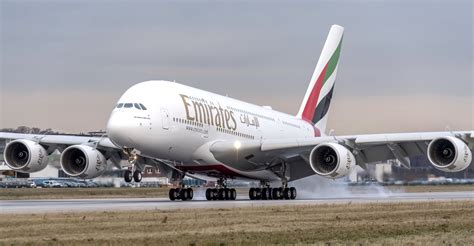
Despite the A380-800’s impressive size and capabilities, the larger stretched version was never built due to a lack of interest from airlines and operational challenges. The bigger, heavier A380 design made it difficult for airlines to justify the investment. The 747-8 and Boeing 777X, although smaller in size, offered better performance in terms of efficiency and cost-effectiveness. Without a more versatile and scalable version, the A380 remained largely a niche aircraft, serving only select hubs like those of Emirates, Qatar Airways, and a few others.
An Engine and Design Mismatch: A Failure to Innovate
Another critical issue with the A380 was its engines. When the aircraft was being designed, engine manufacturers assured Airbus that no better fuel-efficient engines would be available in the near future. However, just a few years after the A380 entered service, newer engines from competitors, such as the Rolls-Royce Trent XWB and the GEnX engines powering the Boeing 787 Dreamliner, offered significant improvements in fuel efficiency. These engines provided around 15% better fuel economy, making the A380 appear outdated by comparison.
In addition to engine inefficiency, the A380’s sheer size also made it less practical for many airlines. The aircraft’s massive structure, though technologically impressive, was not cost-efficient for most operators, particularly when smaller, more fuel-efficient aircraft like the Boeing 787 and the Airbus A350 entered the market. These newer aircraft were made with composite materials, allowing them to achieve better performance while keeping operating costs lower.
A Wing Too Big for the Market
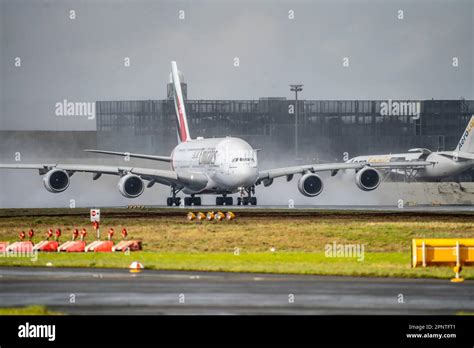
The A380’s wings were another factor that limited its success. While the aircraft was designed to be able to accommodate a larger, stretched variant, the wings were oversized for the -800. The wingspan of the A380 measures 261.8 feet, and each wing weighs a massive 87 tonnes. This large size, necessary for the proposed larger aircraft, turned out to be impractical for the A380-800. Airports were ill-equipped to handle such a large aircraft, requiring specialized gates (Code F gates) and specific infrastructure.
Airports with limited space and infrastructure found it difficult to accommodate the A380, and in some cases, existing runways, taxiways, and gates were not wide enough to handle the aircraft’s enormous wingspan. The A380’s wings required a greater surface area than necessary, reducing its overall fuel efficiency. These constraints further limited the aircraft’s operational flexibility, limiting it to a small number of hubs and reducing its commercial appeal.
Airbus’ Bet on Hub-to-Hub Travel: The A380’s Fundamental Misreading of Market Trends
Airbus made a strategic bet that the future of air travel would revolve around hub-to-hub travel, with giant aircraft like the A380 moving large numbers of passengers between major airports. This vision was grounded in the idea that expanding airport infrastructure and relying on massive aircraft would alleviate congestion at busy airports. However, this bet did not pay off as expected.
In reality, airlines began to realize that smaller, more flexible aircraft like the Boeing 787 Dreamliner and Airbus A350 could serve a broader range of routes, including both major hub-to-hub travel and point-to-point flights. These smaller aircraft could operate from a wider range of airports, including those with less infrastructure and lower passenger traffic.
As a result, the A380 became somewhat of an anomaly in the market. While it was a marvel of engineering, it didn’t meet the evolving needs of most airlines. The aircraft was too big for the majority of the market, and its operational costs were too high for most carriers to justify. Even Emirates, the largest operator of the A380, found that its fleet of Superjumbos was not as commercially viable as originally hoped.
The End of the Superjumbo Era: The A380’s Limited Impact on the Future of Aviation
Today, the Airbus A380 is still in service with a select number of airlines, but its days are numbered. Many carriers, such as Air France and China Southern, have already retired their fleets, and others like Qatar Airways are looking forward to replacing their A380s with newer, more efficient models. While the aircraft remains a favorite among passengers for its spacious cabins and quiet ride, the economic reality of operating such a large aircraft has led many airlines to move away from the Superjumbo model.
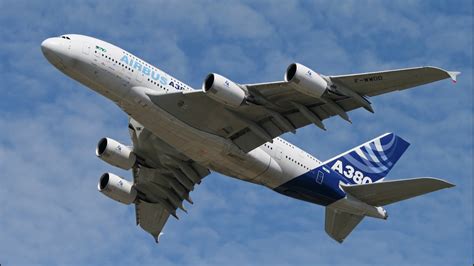
Looking at the broader picture of the aviation industry, the A380’s failure to meet expectations serves as a cautionary tale for aircraft manufacturers. It shows the dangers of betting too heavily on one type of aircraft without fully understanding the shifting needs of the market. In the future, it’s likely that airlines will continue to favor smaller, more versatile aircraft that offer better performance, efficiency, and flexibility in an increasingly dynamic industry.
Conclusion: A Monumental Failure or a Valuable Learning Experience?
In hindsight, the A380’s development may be seen as a costly misstep for Airbus, but it also provided valuable lessons for the aviation industry. While the aircraft never lived up to its potential in terms of commercial success, it did showcase incredible engineering and innovation. The A380 was a feat of design, but its failure highlights the importance of being able to adapt to changing market demands and the need for manufacturers to design aircraft that can meet a wider range of operational needs.
The legacy of the A380 may not be defined by its commercial success, but by the lessons it taught about the future of aviation. It stands as a reminder that in the world of aircraft design, bigger is not always better. The success of modern aircraft, such as the Boeing 787 and Airbus A350, shows that smaller, more efficient models may be the way forward, providing the best balance of performance, cost, and operational flexibility.