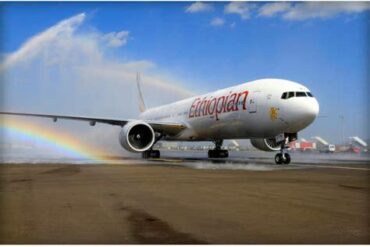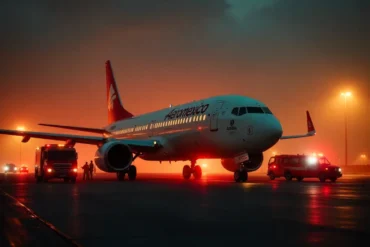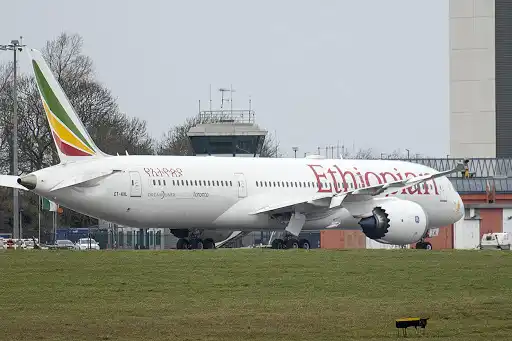
In the early hours of Friday, June 27, 2025, Ethiopian Airlines Flight ET640, a Boeing 787 Dreamliner, was forced to make an emergency landing in Mumbai after experiencing a mid-air depressurization. The flight had departed from Addis Ababa and was en route to Mumbai, cruising at an altitude of 33,000 feet over the Arabian Sea when the incident occurred. With 255 passengers and crew members on board, the aircraft initiated a rapid descent and successfully landed at Chhatrapati Shivaji Maharaj International Airport (CSMIA) at 1:42 AM IST. Upon landing, the airport’s medical team quickly attended to seven passengers who showed symptoms of decompression-related issues, including dizziness and nausea. Of these, one passenger was hospitalized for further treatment, while the others were stabilized and discharged. Fortunately, no fatalities were reported, and the situation was handled efficiently, thanks to the quick actions of the flight crew and ground medical support.
This incident reignited concerns surrounding the safety of Boeing aircraft, particularly the 787 Dreamliner, which has already been under scrutiny due to previous issues with pressurization systems in other models. The timing of this incident, following a similar occurrence aboard an Air India Boeing 777 earlier in the week, has further raised questions regarding the safety protocols in place for long-haul flights operating in high-altitude conditions.
Understanding Cabin Pressurization and Its Importance
To comprehend the gravity of this situation, it is important to understand how cabin pressurization works in modern aircraft. Commercial aircraft, such as the Boeing 787 Dreamliner, are designed to maintain a pressurized cabin environment for the comfort and safety of passengers and crew. At cruising altitudes, which typically range from 30,000 to 40,000 feet, the external air pressure is far too low to support human life. Without cabin pressurization, passengers would be exposed to low oxygen levels and other dangerous physiological effects. The pressurization system ensures that the cabin is sealed and pressurized, maintaining an optimal oxygen level for breathing. This prevents hypoxia (lack of oxygen) and other altitude-related health complications.
In rare cases, however, the pressurization system can fail, causing a drop in cabin pressure. When this happens, oxygen masks automatically deploy from the overhead compartments to provide passengers with immediate access to supplemental oxygen. At the same time, pilots are trained to execute a rapid descent to a lower altitude, typically around 10,000 feet, where the oxygen levels are sufficient for safe breathing.
Immediate Response and Passenger Care
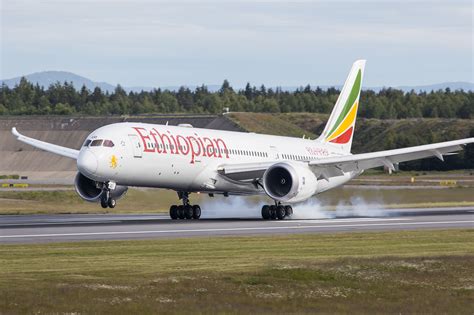
In the case of Ethiopian Airlines Flight ET640, the flight crew acted swiftly following the depressurization event. As per standard operating procedure, the pilots initiated an immediate descent to a lower altitude to stabilize the cabin environment. Within minutes, the aircraft was safely descending, and passengers had access to their oxygen masks. Once the aircraft landed safely at Mumbai’s Chhatrapati Shivaji Maharaj International Airport, the medical team on the ground immediately assessed the passengers who had experienced decompression-related symptoms. The medical team reported that seven passengers required treatment for dizziness, nausea, and light-headedness. One of the passengers was taken to the hospital for further observation, but no fatalities or serious injuries were reported. The quick response from both the flight crew and the medical team ensured that the situation was managed effectively, and passengers were taken care of in a timely manner. After the aircraft was secured on the ground, an inspection was conducted, and the Boeing 787 was later cleared for further investigation by aviation authorities.
Investigations and Safety Measures
Following the emergency landing, the Directorate General of Civil Aviation (DGCA), India’s aviation regulatory body, initiated an investigation into the cause of the depressurization. Preliminary reports suggest that the incident was due to a failure in the aircraft’s pressurization system, although the exact cause is still under investigation. The DGCA is reviewing maintenance records and conducting a thorough examination of the aircraft to ensure that safety standards were met and to identify any potential defects or system failures. This incident is part of a larger concern regarding the integrity of aircraft pressurization systems in commercial flights. Although depressurization events are rare, they can have significant consequences if not handled swiftly and appropriately. In light of this event, the DGCA has stepped up its inspection and audit protocols, focusing on the safety systems of long-haul commercial flights, especially those involving Boeing aircraft.
Broader Implications for Aviation Safety
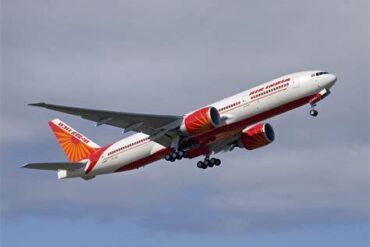
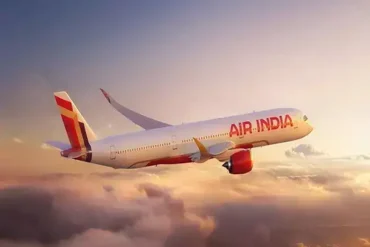
This latest incident comes on the heels of another concerning episode just days earlier. On June 23, 2025, an Air India Boeing 777, flying from Heathrow to Mumbai, experienced similar issues, with 11 passengers, including six crew members, reporting symptoms of dizziness and nausea. Although the cause of the illness in the Air India flight is still under investigation, it has prompted further scrutiny of the safety protocols and maintenance practices for Boeing aircraft. The Ethiopian Airlines depressurization event is a stark reminder of the vulnerabilities that exist in high-altitude travel, despite advancements in aviation technology. While commercial air travel has become safer and more reliable over the years, incidents such as these highlight the ongoing need for vigilance, rigorous safety inspections, and continuous improvements in aviation systems.
In response to these incidents, aviation authorities worldwide are intensifying their safety audits and maintenance reviews, focusing on potential weaknesses in aircraft systems and ensuring that flight crews are adequately trained to handle emergency situations. The global aviation industry is under increasing pressure to address these concerns, particularly as long-haul travel continues to grow.
Conclusion
The emergency landing of Ethiopian Airlines Flight ET640 in Mumbai on June 27, 2025, highlights the inherent risks of modern air travel, even as safety measures and technology continue to improve. While the quick response from the flight crew and medical teams ensured that the situation was handled effectively, the incident underscores the need for ongoing vigilance in ensuring the safety of passengers aboard high-altitude flights. As investigations continue, it is clear that the aviation community remains committed to enhancing safety protocols and addressing the root causes of incidents like these to prevent future occurrences. For passengers and aviation enthusiasts alike, incidents like these serve as an important reminder of the complexities of air travel and the critical importance of robust safety measures in safeguarding human life. As the aviation industry adapts to these challenges, it remains dedicated to delivering the highest standards of safety and reliability for passengers across the globe.