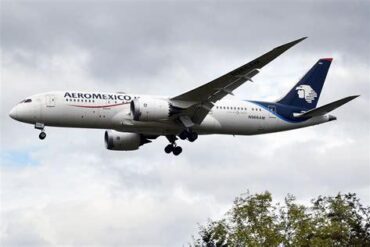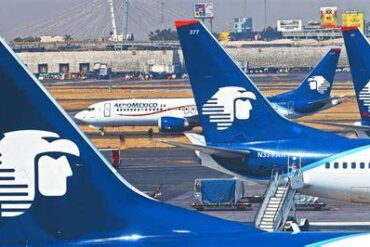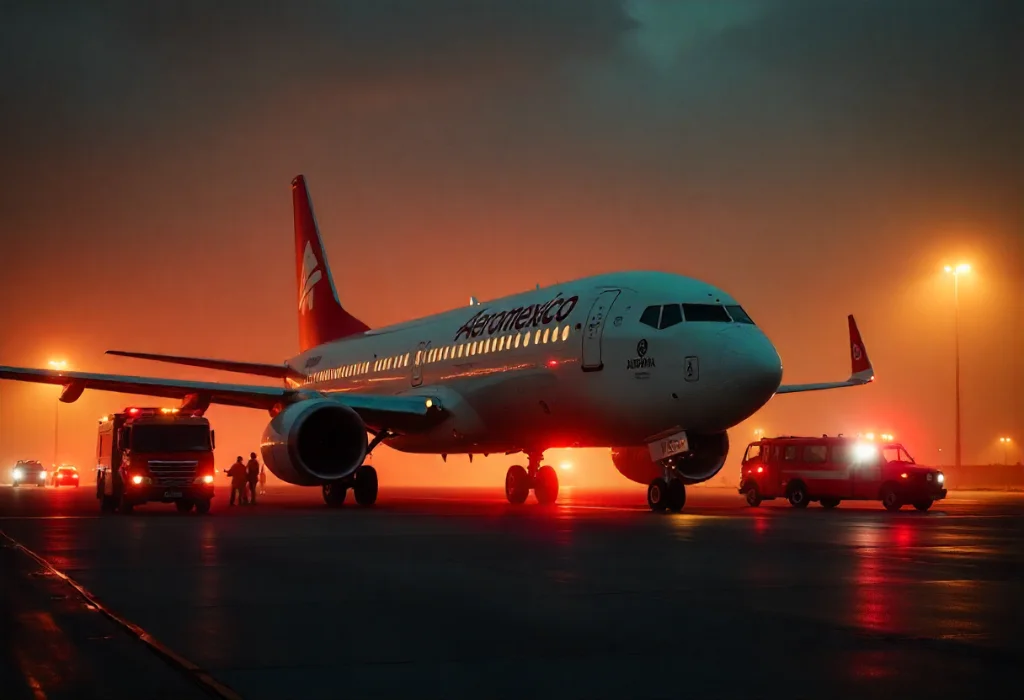
On July 28, 2025, Aeromexico Flight AM190, a Boeing 737-800 registered XA-PPP, made an emergency landing at Benito Juárez International Airport after suffering mid-air cabin depressurization en route from Mexico City to Mexicali. The aircraft was airborne for only 35 minutes before the flight crew initiated a swift descent and safely returned to the airport. The incident highlights the vital importance of emergency response procedures, pilot training, and aircraft system reliability.
What Triggered the Emergency on Flight AM190?
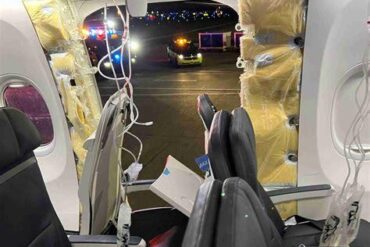
Shortly after takeoff from Mexico City, as the aircraft began its ascent to cruising altitude, it reached 17,500 feet when a sudden loss of cabin pressure occurred. This phenomenon, known as cabin depressurization, can pose immediate risks to passenger safety if not swiftly managed. As the cabin lost pressurization, oxygen masks deployed, and the flight crew executed a controlled emergency descent, prioritizing the health and safety of all 170+ passengers and crew members aboard.
The incident occurred within the critical phase of climb, which requires intense focus and situational awareness. As soon as warning indicators alerted the cockpit, the pilots stopped the ascent and initiated return protocols, requesting emergency clearance from air traffic control.
How the Flight Crew Executed Emergency Protocols
The professionalism of Aeromexico’s crew played a pivotal role in ensuring that the emergency was managed without injury or escalation. The pilots followed standard operating procedures for depressurization, initiating a rapid descent to a safer, breathable altitude while coordinating with air traffic control to secure an emergency return path.
Flight attendants acted quickly, instructing passengers on the proper use of oxygen masks and maintaining calm throughout the cabin. Thanks to their rigorous training, the crew ensured that panic did not take root, and passengers remained safely seated during the emergency maneuver.
Aeromexico’s Immediate Response and Safety Assurance
Upon landing back at Benito Juárez International Airport, Aeromexico activated its emergency response teams. Passengers were calmly disembarked and escorted through the terminal where medical staff and support personnel were available, though no injuries were reported.
Aeromexico issued a statement reaffirming its unwavering commitment to passenger safety and initiated a thorough investigation into the root cause of the depressurization. It is standard procedure for the airline to ground the affected aircraft until comprehensive maintenance checks and system diagnostics are performed.
Understanding Depressurization in Modern Commercial Jets
Cabin depressurization is one of the most serious non-impact emergencies in commercial aviation. Aircraft cabins are pressurized to simulate conditions equivalent to 6,000–8,000 feet altitude. A breach or failure in the pressurization system—whether due to a mechanical failure, structural issue, or seal malfunction—can reduce oxygen levels dangerously fast.
Passengers might experience symptoms such as:
- Ear pain and dizziness
- Shortness of breath or chest tightness
- Confusion or fainting due to hypoxia (oxygen deficiency)
Commercial aircraft like the Boeing 737-800 are designed with fail-safe oxygen systems, and masks typically deploy automatically once cabin pressure drops below a certain threshold. Pilots are trained to descend to 10,000 feet or lower within minutes to stabilize the cabin environment.
The Aircraft Involved: Boeing 737-800 Registered XA-PPP
The aircraft involved in this emergency, XA-PPP, is a Next-Generation 737-800, part of one of the most reliable and widely used fleets in the world. Although the aircraft had no prior public records of mechanical issues, the post-incident grounding aligns with standard international safety protocols.
It’s worth noting that depressurization is a rare event, and when it occurs, it’s typically due to wear-and-tear on seals, valves, or fuselage components, especially in high-use aircraft. The specific cause in this case remains under investigation, with Aeromexico’s maintenance teams working in collaboration with Mexico’s Civil Aviation Authority.
Passenger Accounts and Immediate Support Measures
Initial reports from passengers describe a moment of tension as oxygen masks dropped and flight attendants instructed everyone to remain calm. While the situation was managed professionally, several passengers reported discomfort and anxiety stemming from the abrupt altitude change and lack of information mid-flight.
Upon landing, Aeromexico provided:
- Meal and lodging vouchers for affected travelers
- Rebooking on later flights for those continuing to Mexicali
- Counseling and medical assessments where needed
Customer support teams were dispatched at the terminal to address concerns, with Aeromexico’s social media channels offering real-time updates and responses to family members tracking the flight.
Airline Industry Implications and Lessons Learned
This incident is a powerful reminder of the unforgiving nature of aviation safety and the value of rigorous crew training. Airlines across the globe continue to evolve emergency preparedness, and events like this feed directly into simulator training programs, checklist refinements, and crew performance reviews.
Aviation authorities will be monitoring the investigation into XA-PPP’s pressurization system closely. Findings could lead to maintenance advisories or technical bulletins for Boeing 737-800 operators worldwide.
It also underscores the importance of:
- Proactive maintenance of pressurization systems
- Continuous airworthiness reviews for aging aircraft
- Streamlined pilot-to-ground communication protocols
Aeromexico’s Track Record on Safety
Aeromexico, one of the largest airlines in Latin America, operates a fleet of more than 130 aircraft and is subject to IATA Operational Safety Audit (IOSA) standards. Its safety record in recent years has remained strong, with few major incidents reported.
The swift handling of Flight AM190 is consistent with Aeromexico’s internal safety culture, which emphasizes:
- Scenario-based emergency training
- Rapid coordination with emergency services
- Transparent incident reporting and customer communication
The airline is expected to release a full incident report in the coming weeks pending the outcome of technical investigations.
Future Safety Enhancements and Ongoing Investigations
As aviation evolves, so do the technologies and strategies for mitigating in-flight risks. Airlines may leverage this event to advocate for more real-time cabin monitoring systems, early-warning sensor upgrades, and AI-based predictive maintenance tools that detect pressurization irregularities before they manifest during flight.
Regulators will also likely assess whether changes to crew training cycles or maintenance schedules are warranted for aircraft past a certain flight-hour threshold. Coordination between the Mexican Civil Aviation Authority, Aeromexico’s engineering division, and Boeing’s safety advisory board will be essential.
Final Thoughts: Safety and Professionalism in Action
The emergency landing of Aeromexico Flight AM190 serves as a testament to the professionalism of modern flight crews and the resilience of commercial aviation systems. With zero injuries, a calm descent, and rapid response both in the air and on the ground, this incident reinforces the strength of aviation emergency protocols when executed effectively.
While the scare was real, so was the response: swift, efficient, and deeply committed to protecting lives. The investigation now shifts to understanding the mechanical root cause and ensuring that similar incidents are avoided in the future — not just for Aeromexico, but across the global aviation network.