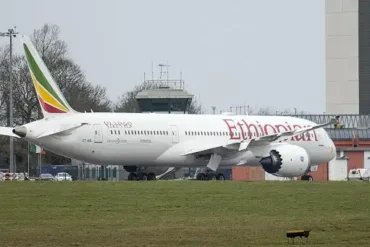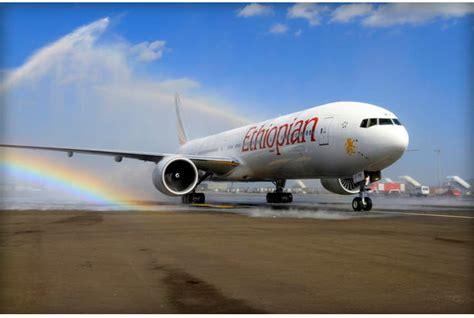
On June 27, 2025, Ethiopian Airlines flight ET640, which was traveling from Addis Ababa to Mumbai, faced a severe incident when it had to make an emergency landing at Chhatrapati Shivaji Maharaj International Airport (CSMIA). The Boeing 787-9 Dreamliner, carrying 300 passengers and 11 crew members, encountered a critical situation involving a sudden drop in cabin pressure while flying over the Arabian Sea. This unexpected depressurization prompted the crew to take immediate action, ensuring the safety of all onboard.
The incident unfolded in the early hours of the morning. As the aircraft was cruising at an altitude of approximately 35,000 feet, the cabin pressure fell to dangerously low levels. This alarming situation could lead to serious health risks for passengers, including hypoxia, which can result in dizziness or loss of consciousness. Recognizing the urgency of the scenario, the flight captain swiftly initiated an emergency descent to a safer altitude where oxygen levels were adequate for passenger safety.
By 1:55 AM IST, the aircraft successfully landed back in Mumbai, where ground crews and medical personnel were already prepared for any emergencies that might arise. The professionalism displayed by the crew during this critical time was instrumental in averting a potentially disastrous situation. Upon landing, medical teams attended to several passengers who reported experiencing mild symptoms, such as dizziness, which are common after such depressurization events. Of those affected, one passenger required transportation to a nearby hospital for further observation, while the remaining six were treated on-site and later released in stable condition.
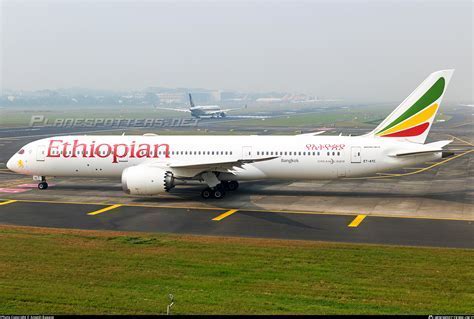
The Ethiopian Airlines Boeing 787-9 involved in this incident was relatively new, being 5.3 years old and part of the airline’s long-haul fleet. These aircraft are typically equipped with advanced cabin pressurization systems designed to manage such emergencies effectively. Fortunately, the sophisticated technology and timely actions of the flight crew played a pivotal role in managing the crisis without further complications.
According to flight data obtained from Flightradar24, the aircraft began its emergency descent around 7:00 PM UTC, well over an hour away from its intended destination. The pilots executed a controlled descent from their cruising altitude, reaching below 10,000 feet—the safe operating altitude—within minutes. By 7:13 PM UTC, the aircraft had descended to an altitude of 17,900 feet before eventually landing at 8:38 PM UTC. Such quick decision-making under pressure is a testament to the rigorous training and preparedness of the flight crew.
Following the emergency landing, Ethiopian Airlines issued a public statement confirming the incident and reassuring passengers of the airline’s commitment to safety. They are currently cooperating with aviation authorities, including the Directorate General of Civil Aviation (DGCA) in India, to thoroughly investigate the cause of the cabin depressurization. Preliminary assessments point towards a possible malfunction within the aircraft’s pressurization system, but the full investigation is ongoing, with the aircraft grounded for a comprehensive technical inspection.
In light of the incident, Ethiopian Airlines expressed gratitude to their crew for their quick response and professionalism, as well as appreciation to the medical staff at Mumbai Airport for their swift assistance. The airline has taken measures to support affected passengers, ensuring they receive the care needed and making arrangements for their travel back to Addis Ababa. For those who had connecting flights, alternative travel arrangements are being organized to minimize disruption to their plans.
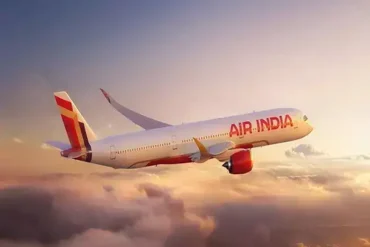
This event has raised broader concerns regarding aviation safety, particularly with respect to the Boeing 787-9. Earlier in June, another incident involving an Air India Dreamliner in Ahmedabad had already heightened scrutiny within the aviation community. However, experts emphasize that each incident should be evaluated based on its unique circumstances rather than drawing direct correlations between unrelated events.
Ethiopian Airlines reassured its passengers that all necessary steps would be taken to prevent similar occurrences in the future. The airline underscored that the rapid and effective response from the crew, combined with the advanced design and technology of the Boeing 787-9, significantly contributed to the successful outcome of the emergency.
The incident serves as a stark reminder of the importance of rigorous training, strict adherence to safety protocols, and the reliability of aviation systems. While cabin depressurization events are rare, they underscore the need for quick and effective responses to ensure passenger safety. As the investigation continues, Ethiopian Airlines remains committed to addressing any issues that may arise and enhancing its safety measures to protect its passengers.
Passengers who were on board flight ET640 are encouraged to stay in contact with Ethiopian Airlines for updates regarding their travel arrangements. The airline’s swift actions during this emergency reflect its dedication to passenger safety and the effectiveness of current aviation safety practices. As the aviation industry continues to evolve, incidents like these highlight the crucial role of ongoing training and maintenance protocols in safeguarding the well-being of travelers worldwide.