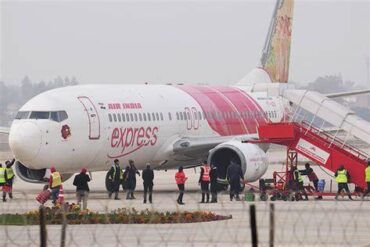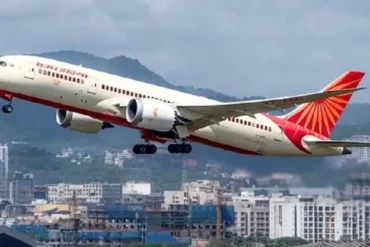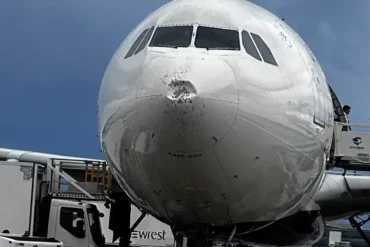
Air India Flight AI357, operating the Tokyo Haneda to Delhi route, was thrust into an emergency scenario on June 30, 2025, when dangerously high cabin temperatures prompted an urgent diversion to Kolkata’s Netaji Subhas Chandra Bose International Airport. The mid-air emergency marked the latest in a troubling pattern of technical incidents involving the carrier’s long-haul international fleet.
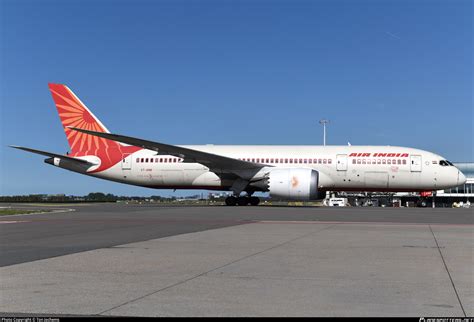
The Boeing 787-8 Dreamliner, tail number VT-ANI, departed Tokyo as scheduled but encountered persistent and escalating heat within the cabin shortly after reaching cruising altitude. Despite efforts by the cockpit and cabin crew to stabilize the environment, the internal climate continued to rise, pushing beyond acceptable comfort and safety thresholds.
Crew Responds to In-Flight Thermal Crisis
The flight crew, guided by established protocols and driven by the imperative to safeguard all onboard, acted swiftly. The decision to reroute and execute an emergency landing was made decisively as conditions worsened. The aircraft landed safely at Kolkata Airport, where emergency support teams were already on standby.
Passengers onboard reportedly experienced intense discomfort due to the rising temperatures, though no medical emergencies were recorded. The prompt communication and procedural discipline of the crew helped maintain calm during what could have escalated into a far more hazardous incident.
Technical Overview: Aging Aircraft and Cabin Systems
The affected aircraft, VT-ANI, has been in active service for over 13 years. As part of the Dreamliner fleet, it is powered by GEnX engines and is typically lauded for operational efficiency. However, aging cabin environmental control systems (ECS) have occasionally been flagged across the global 787 fleet as prone to wear-induced failure.
While no specific details have yet been released regarding the malfunction, it is suspected that a fault within the air management or temperature regulation subsystem contributed to the thermal spike. Investigations are ongoing, and the aircraft remains grounded pending a full diagnostic review.
Crisis Handled with Minimal Disruption
Air India quickly mobilized a replacement aircraft to ensure passengers could continue their journey to Delhi with limited delay. The substitute—Boeing 777-300ER, tail number VT-ALR—was dispatched from Delhi and landed in Kolkata without incident. Boarding was executed efficiently, and the aircraft departed at 18:38 UTC, completing the leg to Delhi by 20:26 UTC, a commendable turnaround under emergency conditions.
Despite the late-night transfer, passengers were provided food, assistance, and continuous updates from Air India ground staff. Those with connecting flights or accommodation bookings in Delhi were offered logistical support, demonstrating the airline’s awareness of post-incident passenger care obligations.
Emergency Landing Spotlights Operational Preparedness
While the incident exposed a critical equipment failure, it also showcased Air India’s ability to react to emergencies with logistical precision. Emergency protocols, both in the air and on the ground, were activated without procedural delays. Coordination between Kolkata ATC, airport operations, and Air India’s maintenance crews ensured the incident remained contained and did not spiral into an aviation crisis.
The National Civil Aviation Authority is expected to monitor the technical investigation closely. Experts believe that further attention may be drawn to the maintenance schedules of long-haul aircraft operating under high-utilization patterns. Cabin ECS subsystems, although not typically failure-prone, demand rigorous monitoring—especially in climates with wide temperature variances.
Passenger Testimonies and Public Reaction
Several passengers took to social media to praise the crew’s professionalism during the ordeal. “It became really warm and stuffy quickly—some people started getting dizzy, and a few children began crying,” said one passenger. “But the crew handled everything calmly and told us exactly what to expect.”
The incident triggered both concern and appreciation among the public. Aviation forums have started questioning the airworthiness and service records of older Dreamliner units, while others have commended Air India for averting a potential mid-air catastrophe through fast decision-making.
Strategic Communication and Brand Assurance
From a brand perspective, Air India’s public communication was immediate and transparent. A statement released by the airline within hours of the incident reaffirmed its non-negotiable commitment to passenger safety, emphasizing the emergency landing as a precautionary measure, not a reaction to an escalating crisis.
“Air India regrets the inconvenience caused to our valued passengers on Flight AI357. The diversion to Kolkata was a pre-emptive action in light of a cabin temperature anomaly. All passengers are safe and were re-accommodated with full assistance,” the airline noted.
In-Depth Technical Evaluation Underway
A thorough investigation into the aircraft’s cabin temperature regulation system began the moment the aircraft was towed to Kolkata’s technical bay. Specialists from Air India’s engineering division, supported by Boeing-certified technicians, began inspecting the ECS units, cabin thermocouples, and air cycling machinery.
While the full incident report will be released only after the evaluation is complete, initial findings may influence maintenance check intervals for similar aircraft across Air India’s fleet. Aviation insiders anticipate that this could result in more frequent pre-flight ECS calibration checks to mitigate any potential risk.
Fleet Utilization and Aging Infrastructure
The affected 787-8 was introduced to Air India’s fleet during a significant expansion phase over a decade ago. While still technologically modern compared to earlier wide-bodies, wear on integrated avionics and environmental systems is inevitable after over 13 years of continuous service. This incident could mark a turning point in how Air India—and potentially other operators—re-evaluate the long-term sustainability of their mid-life Dreamliner fleet.
More broadly, as Air India prepares for fleet modernization under Tata Group’s stewardship, such incidents may accelerate plans to replace or retrofit older aircraft. Several 787s are already under review for cabin refurbishments, which may now include a closer look at environmental control components.
Regulatory Outlook and Industry Implications
India’s Directorate General of Civil Aviation (DGCA) has been notified of the event and is expected to release a preliminary advisory on thermal safety standards for commercial aircraft in high-capacity, long-haul configurations. Depending on the conclusions drawn, these could ripple across regulatory frameworks governing scheduled aircraft maintenance cycles and in-flight system redundancies.
International carriers will likely observe Air India’s response closely. The global aviation industry has recently been emphasizing resilience against inflight mechanical deviations, and incidents like AI357 provide case studies for improving training, aircraft upkeep, and passenger communication protocols.
Conclusion: Crisis Averted, Lessons In Motion
The emergency diversion of Air India Flight AI357 stands as a textbook example of decisive action, effective communication, and safety-first culture in commercial aviation. While the root cause of the cabin temperature malfunction remains under investigation, the airline’s response—from mid-air procedures to on-ground passenger management—reflects mature operational discipline.
Passengers were not only protected but also respected throughout the disruption. In an industry where safety and perception are closely tied, this event may serve as a turning point in reaffirming Air India’s evolving identity under new leadership—as a legacy carrier with world-class standards.
As more information emerges from the technical review, AI357 will be remembered less for the failure it endured and more for the efficiency and transparency with which it was handled, setting a standard that rivals across the Asia-Pacific region will be measured against.