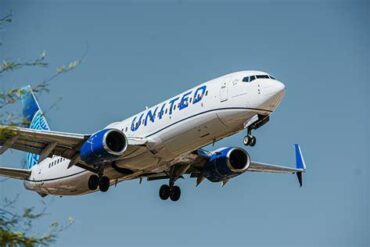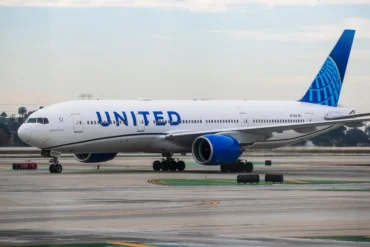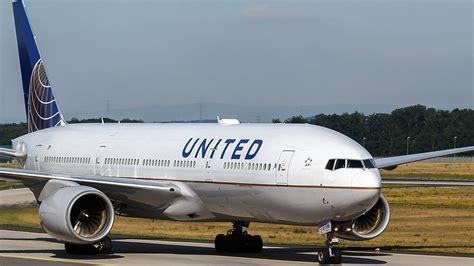
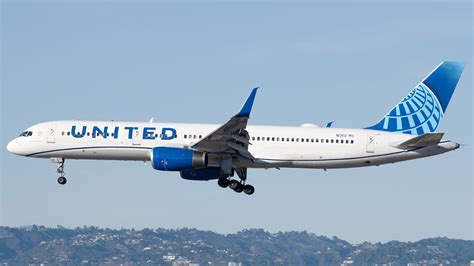
The transatlantic calm of a routine United Airlines flight shattered unexpectedly on June 29, 2025, when Flight UA271, a Newark-bound Boeing 757-200, was forced to reverse course and return to Shannon Airport following a sudden technical emergency. What began as a standard summer journey across the Atlantic quickly escalated into a high-stakes aerial ordeal, raising critical questions about aircraft safety, aging fleets, and the resilience of transatlantic travel infrastructure.
Tension Over the Atlantic: UA271’s Sudden U-Turn
At precisely 15:42 IST, the Boeing 757 registered as N33103 lifted off from Shannon’s Runway 24 with passengers settled in for the nearly 7-hour flight to Newark, New Jersey. Yet, just as the aircraft was climbing toward cruising altitude of 30,000 feet, cockpit warning indicators and critical systems alerted the crew to a technical fault.
The experienced United pilots acted decisively, initiating a reversal of course to Shannon. As the aircraft looped back above the Atlantic, passengers onboard were gripped by uncertainty and rising anxiety.
On the ground, Shannon Airport activated emergency protocols, positioning fire crews and ground responders for a possible worst-case scenario. However, despite the urgency, Flight UA271 landed safely just 75 minutes after takeoff, touching down once again on Runway 24.
United Airlines Responds Swiftly as UA271 is Grounded
While no injuries were reported, the aftermath of the incident was far from routine. United Airlines immediately cancelled the flight, citing the need for detailed inspections and repairs. Maintenance teams towed the aircraft off the tarmac for an urgent technical evaluation.
Passengers, left stranded in Shannon, faced an uncertain timeline. With the high-season rush fully underway, rebooking options were limited, leading to missed connections and delayed itineraries across the Atlantic.
An Aging Titan: The Boeing 757’s Reliability Under Scrutiny
The aircraft involved—a 31-year-old Boeing 757-200—embodies a growing tension in global aviation. Once a marvel of engineering, this particular aircraft has logged tens of thousands of hours in the sky. While still certified and maintained to stringent standards, its age naturally brings greater mechanical wear, and by extension, greater risk.
The Boeing 757 remains a critical workhorse for airlines like United, especially for niche transatlantic routes. Its unique ability to operate from shorter runways while maintaining long-range capability makes it ideal for airports like Shannon, which cannot accommodate heavier widebody jets efficiently.
Yet, this strength is a double-edged sword. Older aircraft come with:
- Higher maintenance demands
- Increased likelihood of mid-flight technical disruptions
- Environmental inefficiency compared to newer models
As UA271’s incident illustrates, the long-standing reliability of the 757 is not immune to the passage of time.
The Human Impact: Stranded Passengers and Operational Chaos
United’s decision to ground UA271 was unquestionably in the best interest of safety. But for the 180-plus passengers on board, the consequences were immediate and frustrating. With peak summer demand surging, flights from Ireland to the U.S. were already stretched.
Hotels in Shannon rapidly filled. Customer service desks faced long queues as passengers scrambled for alternatives. Some were rebooked on other United or Star Alliance flights via Dublin or London. Others had to wait days for the next available seat.
Meanwhile, travel plans unraveled. Vacations, business meetings, and family reunions were thrown into disarray—all because of a single aircraft failure.
Shannon Airport in the Global Spotlight
The emergency return brought international attention to Shannon Airport, once a sleepy transatlantic stop but now a key part of the broader conversation around aviation safety and infrastructure resilience. The airport handled the emergency with professionalism, but it must now grapple with potential reputational ripple effects.
Airports serving U.S. routes, especially in Ireland, depend heavily on North American tourism. Even a temporary disruption can affect bookings, travel confidence, and international partnerships.
Public Confidence and Airline Accountability
United Airlines faces a familiar challenge: restoring passenger confidence. While the incident ended without injuries or structural damage, the optics of an aging aircraft turning back mid-flight are problematic.
Travelers, especially those paying premium transatlantic fares, are less tolerant of delays and mechanical uncertainties. Customer expectations have evolved. Safety is non-negotiable—but so is reliability, comfort, and modernity.
The broader aviation community must grapple with this dual pressure. While maintaining older aircraft is cost-effective in the short term, it invites criticism when things go wrong. The public increasingly demands transparency, accountability, and tangible signs of fleet modernization.
Fleet Renewal and the Coming Aircraft Shift
United, like many legacy carriers, has already begun planning for life after the 757. Upcoming aircraft like the Airbus A321XLR and Boeing 737 MAX 10 offer longer range and significantly lower emissions, while operating at similar capacities.
But fleet replacement is neither cheap nor swift. Aircraft backlogs stretch years. Financing constraints and regulatory certification timelines mean the 757 remains on front-line duty—at least for now.
UA271’s emergency may serve as a catalyst. As technical incidents rise in visibility, public pressure will mount. Fleet retirement timelines may need acceleration. Safety—and perception of safety—is increasingly tied to fleet age.
The Ripple Effects of a Single Flight
The grounding of Flight UA271 sent more than one aircraft back to the stand. It rippled through:
- Passenger confidence, already tested by post-pandemic air travel chaos
- Transatlantic reliability, critical during peak season
- Aviation debate, focused on balancing economics with safety
More than just a flight delay, this incident spotlights the fragility of modern air travel. A single mechanical fault disrupted plans across continents, exposing operational vulnerabilities that airlines and airports must address.
What Travelers Should Know Going Forward
For those planning long-haul flights this season—especially on aging aircraft—there are key takeaways:
- Track flight status closely. Sudden cancellations or returns are more likely in older fleets.
- Book with flexibility. Choose fares that allow for rescheduling without penalty.
- Buy insurance. Comprehensive travel coverage can offset costs of unexpected delays.
Conclusion: A Safe Landing, But Industry Wake-Up Call
United’s quick and decisive response to UA271’s emergency demonstrates industry-wide safety standards at work. But it also brings into sharp relief the ticking clock on aging aircraft.
The skies may still belong to stalwarts like the Boeing 757—but for how much longer?
With passenger expectations evolving and new-generation aircraft on the horizon, airlines must now reassess the cost of delay, not just in schedule but in customer trust.
For the passengers of UA271, the return to Shannon may have felt like a detour. For the industry, it’s a warning beacon—a prompt to move faster, fly smarter, and invest deeper in the future of aviation.
The runway is still open—but the time for fleet evolution is running out.