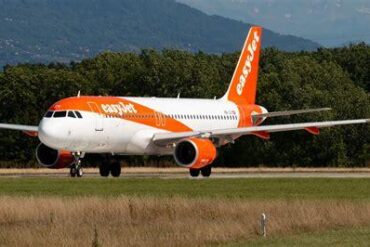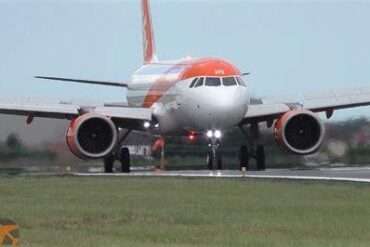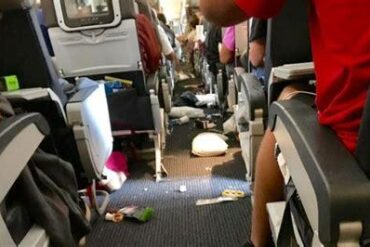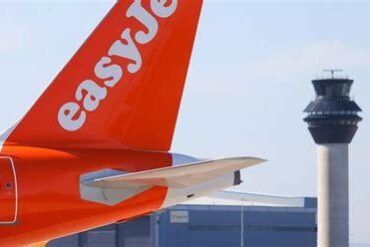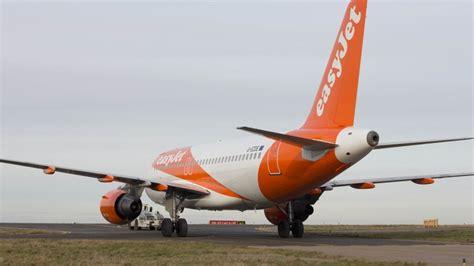
In a dramatic turn of events, a mid-air emergency forced an easyJet flight to make an abrupt U-turn back to Geneva after a sudden and alarming bird strike mid-flight. What began as a routine journey quickly spiraled into chaos, raising fresh concerns over flight safety as Europe braces for an intense summer travel rush. The skies above Switzerland became the stage for a high-stakes decision, as the aircraft—just minutes into its voyage—was thrust into emergency mode. Pilots acted fast. Passengers held their breath. The unexpected bird strike wasn’t just a technical issue—it was a wake-up call. Flight safety, once taken for granted, is again under the spotlight. As European summer travel hits full throttle, this incident delivers a chilling reminder of how fast things can go wrong.
Europe’s Summer Travel Season Shaken as EasyJet Flight Declares Mid-Air Emergency Over Swiss Skies
A mid-air emergency disrupted one of Europe’s busiest travel corridors on Sunday night when an EasyJet flight en route from Geneva to Edinburgh was forced to return just minutes after takeoff. The aircraft, which had barely begun its journey, encountered a bird strike that compromised safety and triggered an emergency declaration. The incident occurred at a critical time for the travel and tourism industry, as Europe’s summer surge brings record airport footfalls and rising pressure on airlines. For EasyJet, a carrier that has built its brand on affordable convenience, the event adds to a growing list of technical incidents straining passenger confidence and operational reliability.
Emergency Declared Mid-Flight, Aircraft Forced to Abort Route
The aircraft involved was an Airbus A320 operated by EasyJet Europe. Within 40 minutes of its departure from Geneva Airport (GVA), it was forced to reverse course. The pilots, following standard emergency protocols, landed the plane safely back at GVA after determining that the technical issues resulting from the bird strike could not be ignored. This quick decision ensured passenger safety but led to the complete cancellation of the flight to Edinburgh (EDI), affecting dozens of travelers and sparking widespread travel disruption. According to internal reports, EasyJet maintenance crews assessed the aircraft on the ground but were unable to resolve the mechanical defect swiftly enough to resume operations.
Safety First—But at What Cost?
EasyJet confirmed that the damage from the bird strike created a defect in the aircraft’s systems. Given the complexities of aviation safety standards, there was no feasible way to conduct immediate repairs without compromising passenger security. This highlights the fragile balance airlines face during peak travel periods. With rising passenger volumes and environmental variables like increased bird activity, carriers are walking a tightrope. Delays and cancellations may be costly, but cutting corners is not an option. Passenger safety remains paramount, even as operational costs soar and public patience thins.
Strained Operations Meet Soaring Summer Demand
These disruptions couldn’t come at a more sensitive time. With European tourism rebounding post-pandemic, airports are grappling with record crowds, staffing challenges, and volatile weather conditions. For carriers like EasyJet, meeting punctuality metrics while maintaining safety standards is a mounting challenge. Travelers, especially families and business flyers, depend on consistency. Frequent delays and last-minute cancellations have a domino effect—missed hotel check-ins, rebooking chaos, and financial strain. And when these delays are tied to in-flight emergencies, the emotional toll only deepens. Social media has already begun circulating real-time tracking images and passenger testimonies, amplifying the incident’s visibility. Viral coverage is shifting the focus from individual events to systemic concerns about fleet readiness, route management, and aviation risk tolerance.
Passenger Trust at Stake Amid Broader Market Impact
For EasyJet, the immediate concern is regaining traveler trust. A cancelled flight during vacation season may feel like a temporary setback, but recurring technical incidents can erode consumer confidence quickly. The airline has already issued formal apologies and provided rebooking guidance, but industry watchers suggest the brand has entered a fragile phase. Tourism stakeholders across Switzerland, the UK, and broader Europe are watching closely. Geneva’s role as a strategic European hub means any operational glitch has ripple effects—hotels face late arrivals or cancellations, airport services are strained, and tourism agencies are left scrambling to manage reputational impact. Moreover, travelers are becoming more discerning. With other carriers ramping up reliability guarantees and flexible booking policies, EasyJet must act swiftly to shore up its safety protocols and communication strategies.
Environmental and Technical Complexity on the Rise
The cause of this latest emergency—a bird strike—is not uncommon, but it is becoming increasingly disruptive. Climate shifts are influencing migratory patterns and increasing the frequency of bird-aircraft interactions. Industry analysts point to a need for more aggressive bird radar technologies and revised takeoff paths at vulnerable airports. In Geneva, where this latest incident occurred, safety authorities may be compelled to re-examine wildlife management strategies and enhance real-time alert systems. With Europe bracing for record-high travel volumes through August, regional airspaces must evolve rapidly to meet the new reality.
Conclusion: A Wake-Up Call for Airlines and Regulators
This incident is more than an isolated case of mid-air drama—it’s a wake-up call. Airlines, regulators, and travelers must collectively address the pressures reshaping modern aviation. Safety must never be compromised, but neither can communication and crisis management. As EasyJet confronts the fallout from multiple emergency landings, its path forward depends on transparency, technical accountability, and proactive traveler engagement. Europe’s summer skies are getting busier—and more unpredictable. The question now is not if, but how fast the industry can adapt.