Double Turbulence Scare on American Airlines Flights Prompts Industry Attention and Safety Scrutiny
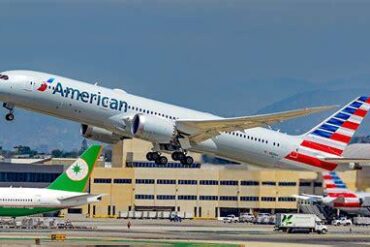
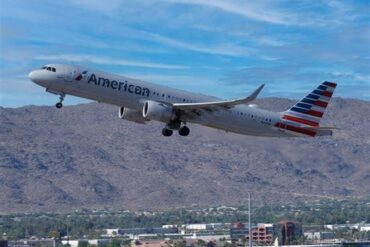
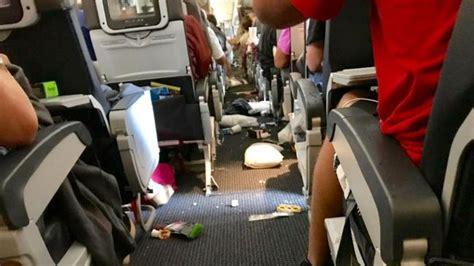
Turbulence has made headlines once again—this time with a frightening force that has left the aviation industry rattled. In a disturbing series of events, two American Airlines flights encountered severe turbulence mid-flight, leading to the injuries of three flight attendants and raising urgent questions about the safety of passengers and crews alike. The two separate incidents—one involving a Boeing 777-200 flying from Madrid to Dallas/Fort Worth (DFW), and the other involving an Airbus A319-100 from Houston to Philadelphia—have sparked a nationwide conversation about the risks of flying and the preparedness of airlines in the face of increasingly unpredictable skies.
As the aviation industry faces a summer travel surge, these back-to-back events could not have come at a worse time, heightening concerns about flight safety, crew well-being, and airline preparedness. The events have exposed a growing vulnerability that airlines and regulators can no longer ignore.
Flight from Madrid to DFW: A Harrowing Moment at 38,000 Feet
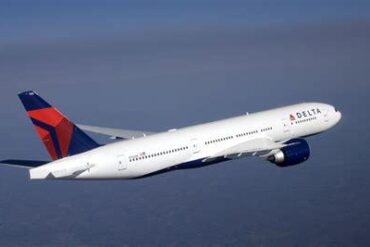
The first of these turbulent episodes occurred aboard American Airlines Flight AA37, a long-haul service from Madrid Barajas (MAD) to Dallas/Fort Worth (DFW). As the aircraft cruised at an altitude of 38,000 feet near Memphis, Tennessee, it was suddenly struck by severe turbulence. The impact was so violent that two flight attendants were injured during the episode, prompting immediate responses from the crew, who initiated emergency protocols to ensure the safety of passengers and the rest of the crew.
Despite the chaotic turbulence, the aircraft managed to complete its journey, eventually landing safely in Dallas after nearly two hours and ten minutes. Upon landing, the aircraft was grounded for nearly 20 hours as a precautionary measure, with safety checks carried out to assess any potential damage. This level of caution illustrates how seriously American Airlines is taking these incidents and highlights the growing concern surrounding turbulence-related events.
Second Strike: Houston to Philadelphia Flight Hit Midair
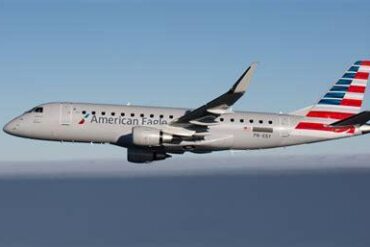
Less than 24 hours later, another American Airlines flight was hit by similar turbulence. Flight AA2561, an Airbus A319-100 traveling from Houston Intercontinental (IAH) to Philadelphia International (PHL), experienced its own turbulent encounter mid-flight. The disruption caused injuries to one of the flight attendants, though the aircraft was still able to complete its journey without further incident.
However, the aircraft was grounded for 5.5 hours at Philadelphia International Airport (PHL) for safety assessments before being cleared for service. Despite the safe landing, the proximity of these two incidents raises serious questions about what is happening in the skies and why turbulence-related injuries are occurring with such frequency.
Turbulence Events: A Rising Challenge in Global Aviation
Turbulence-related injuries have long been a known risk, particularly for flight attendants who are often walking the aisles during periods of flight. However, the frequency, intensity, and impact of these events appear to be on the rise, posing a new set of challenges for airlines and safety regulators. Factors such as climate change, unstable jet streams, and increased global air traffic are all contributing to a more volatile flying environment.
For flight crews, turbulence represents a serious occupational hazard. Flight attendants, in particular, are vulnerable due to their mobility in the cabin. Even with modern aircraft equipped with advanced weather tracking systems, turbulence continues to pose a significant risk. The latest incidents aboard American Airlines flights underscore how turbulence can cause not only disruption but also severe harm to the crew, even on routine journeys.
Additionally, the Federal Aviation Administration (FAA) has officially logged both turbulence events. This will likely lead to further analysis of airspace patterns, jet stream behavior, and the resilience of aircraft structures. The FAA’s involvement underscores the gravity of the situation and its potential long-term impact on the aviation industry.
Operational Impact: Airlines Face Delays and Safety Reviews
The operational repercussions of these turbulence-related events are significant. Both flights involved in these incidents were temporarily grounded, with one being out of service for over 20 hours and the other grounded for 5.5 hours. While this may appear routine, these extended ground times translate to delayed flights, rerouted passengers, and mounting costs for the airline.
The operational challenges for airlines are now twofold: they must ensure the safety of their crews while also maintaining their on-time performance. As the travel industry recovers from the pandemic and the demand for both domestic and international flights increases, the potential for more turbulence-related disruptions grows. This adds a new layer of complexity to the already difficult task of managing flight schedules and ensuring passenger satisfaction.
Passenger Sentiment: Confidence vs. Concern
For passengers, turbulence is often one of the greatest fears of flying, ranking just behind concerns about engine failure and pilot error. While both of the American Airlines flights involved in the recent incidents managed to land safely, the fact that three crew members were injured has inevitably shaken traveler confidence.
This heightened concern is especially noticeable among nervous fliers or first-time international travelers who may already be apprehensive about flying. While the professionalism and resilience of the crews undoubtedly contributed to a safe outcome, the mere existence of these injuries raises questions about the level of preparedness, both on the part of the airlines and the authorities.
American Airlines, like other major carriers, now faces the delicate task of reassuring its passengers while investigating the causes of these turbulence incidents and taking steps to reinforce internal safety procedures. The public’s trust in air travel could very well depend on the company’s response to this crisis.
Industry Outlook: A Need for Proactive Measures
The recent turbulence incidents are a wake-up call for the entire aviation industry. As climate change continues to shift global weather patterns, airlines and aviation authorities must re-evaluate their approach to turbulence. Experts are now calling for greater emphasis on turbulence tracking technologies, more comprehensive crew training, and more accurate seatbelt advisories for passengers and flight attendants.
One suggestion is to integrate more robust turbulence forecasting systems into air traffic control systems, allowing for better flight planning and routing. This could involve identifying and avoiding known turbulence corridors, minimizing the risk to passengers and crew alike. Additionally, some have advocated for mandatory seatbelt use for flight attendants during periods of turbulence warning, further minimizing the potential for injury.
Airports and Regulators on Alert
The ripple effects of these turbulence events extend beyond the aircraft themselves. With two major U.S. airports—Dallas/Fort Worth and Philadelphia—impacted by the disruptions, airport operators are also being drawn into the conversation. Turbulence-related delays cause significant logistical challenges, including emergency response coordination and passenger rerouting. Airlines and airports must work in tandem to address these challenges, ensuring that operations run smoothly despite the heightened risk posed by turbulence.
The FAA continues to monitor turbulence events closely, using data collected from aircraft sensors and pilot reports to refine turbulence maps and improve in-flight advisories. These two American Airlines incidents are likely to contribute to ongoing safety evaluations that could lead to important changes in industry-wide turbulence management practices.
The Bigger Picture: Safety, Preparedness, and Passenger Trust
The back-to-back turbulence events on American Airlines flights serve as a stark reminder of the dangers that exist in the skies. Injuries to three crew members in a matter of hours are not just an isolated incident—they are a signal that something needs to change. As the aviation world grapples with these challenges, there is an urgent need for a unified, proactive approach to in-flight safety.
Airlines, regulatory bodies, and airport operators must come together to develop smarter systems that not only increase the efficiency and speed of air travel but also ensure the safety and well-being of everyone on board. Travelers need confidence that the skies are safe. Crews need protection. Airlines need smarter systems and more robust safety measures. Only by addressing these issues head-on can the aviation industry make flying safer and more stable for all.