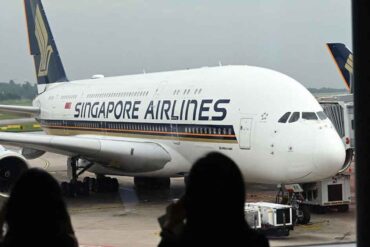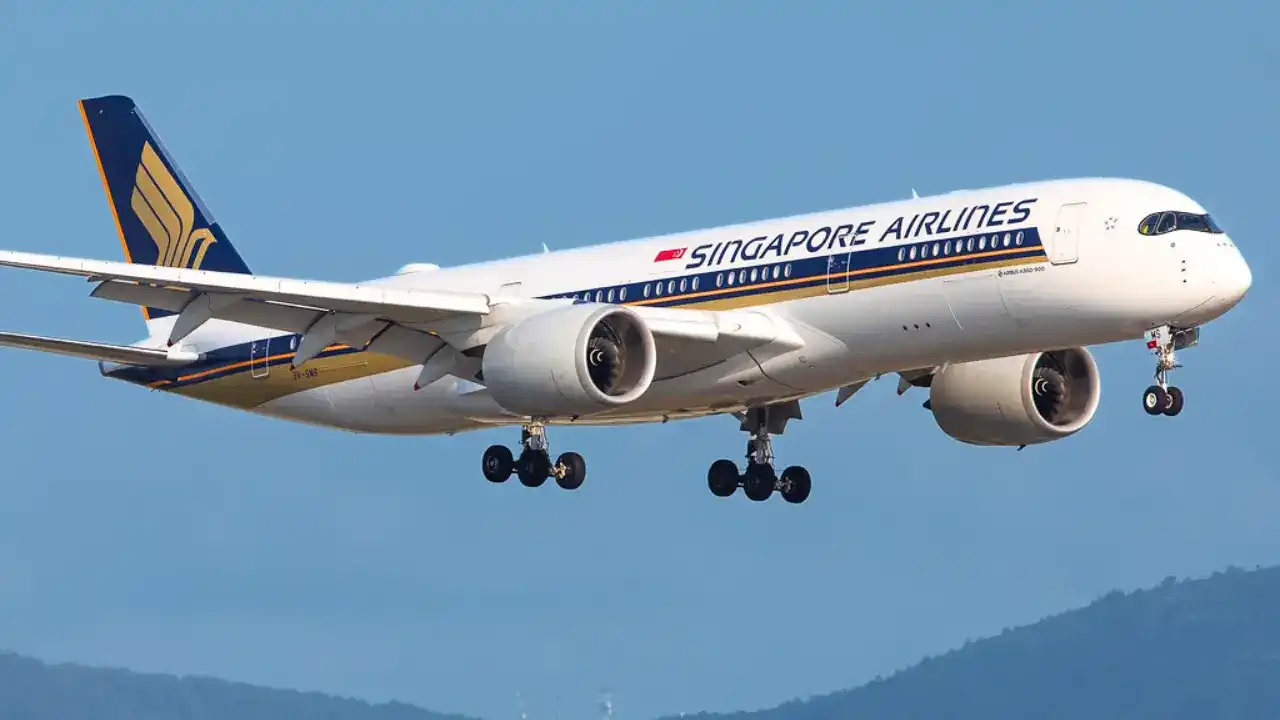
Singapore Airlines is embroiled in a legal battle following a shocking incident where a passenger suffered a severe allergic reaction mid-flight, prompting an emergency landing and igniting global concerns over in-flight food safety. What began as a routine journey from Germany to New York swiftly escalated into a medical crisis that forced the airline to divert to France for urgent care. This incident not only highlights potential lapses in airline protocols but also raises critical questions about the responsibility of airlines in managing food allergies at 30,000 feet.
Onboard the Singapore Airlines flight, Dr. Doreen Benary, a pediatric emergency physician from New York, disclosed her shellfish allergy to the cabin crew prior to the meal service. However, she was mistakenly served a dish containing shrimp, which she unknowingly consumed. Within moments, she began experiencing severe symptoms that rapidly deteriorated her health, leading the crew to make the urgent decision to land the aircraft in France, where she received immediate medical attention at two hospitals. Such emergency landings are serious undertakings, not only disrupting travel schedules but also incurring significant operational costs, and most importantly, indicating a grave health threat.
The implications of this incident extend far beyond Dr. Benary’s personal experience; they reflect a broader concern regarding how airlines handle food allergies. The lawsuit she has filed against Singapore Airlines centers on the claim that the airline failed to fulfill its duty of care by not properly recording or acting on her medical condition. She alleges that this oversight led to extreme physical suffering and long-lasting mental distress, significantly affecting her quality of life. As she seeks fair compensation through the legal system, the case underscores the necessity for airlines to prioritize passenger safety and implement robust allergy management protocols.
In response to the incident, the airline’s accountability is under scrutiny. Airlines have a legal obligation to take passenger health disclosures seriously, yet the enforcement of allergy protocols remains inconsistent across the industry. The preparation of in-flight meals often involves bulk cooking and storage, where a single mistake—be it a mislabeling or a lapse in communication—can result in life-threatening situations for passengers with allergies. The rise in allergy-related incidents, particularly among travelers disclosing sensitivities to common allergens such as nuts, dairy, gluten, and shellfish, calls for a re-evaluation of existing policies and practices within the aviation sector.
This high-profile case has sparked a global conversation about the need for transparency and consistency in airline food safety. Passengers are demanding clarity regarding allergen labeling, while airlines face increasing pressure to enhance their in-flight medical readiness. Some regional carriers have proactively banned high-risk ingredients on specific routes; however, the absence of international standards governing allergy management in the air continues to jeopardize the safety of vulnerable travelers. Dr. Benary’s lawsuit could potentially serve as a catalyst for change within the industry, possibly leading to new regulations and protocols that prioritize passenger safety at all times.
For travelers with allergies, this situation serves as a crucial reminder of the steps they can take to protect themselves when flying. Before embarking on a journey, passengers should proactively inform the airline of their allergies multiple times, including during booking and check-in, as well as directly to cabin crew upon boarding. Carrying medical documentation, such as allergist notes and instructions for emergency treatment, is essential. Additionally, it is advisable to keep prescribed medications, like epinephrine auto-injectors, in easily accessible locations and to avoid high-risk in-flight meals by bringing approved snacks from home. Staying vigilant during meal service and asking specific questions about food ingredients can further mitigate risks associated with in-flight dining.
As Singapore Airlines navigates the repercussions of this lawsuit, the stakes are undeniably high. Beyond the potential financial damages, the airline faces significant reputational risks if passengers perceive a lapse in safety measures. Known for its commitment to luxury and service excellence, Singapore Airlines must now demonstrate how it plans to rebuild trust with its customers. Industry observers anticipate a thorough review of the airline’s allergy management policies and enhanced training protocols for crew members in the wake of this incident. Other airlines will undoubtedly be monitoring Singapore Airlines’ actions closely, as any shifts in policy may influence operational standards across the industry, particularly among those competing in the premium travel segment.
Dr. Benary’s lawsuit represents more than just a legal dispute; it signals a global awakening regarding the handling of medical safety aboard airlines. As food allergies become increasingly prevalent and severe, airlines can no longer afford to treat these issues as secondary concerns. Every meal served at cruising altitude must be prepared with the utmost care and precision, matching the high standards passengers expect while on the ground. The skies may be friendly, but they must also be safe for all travelers, especially those with life-threatening allergies.
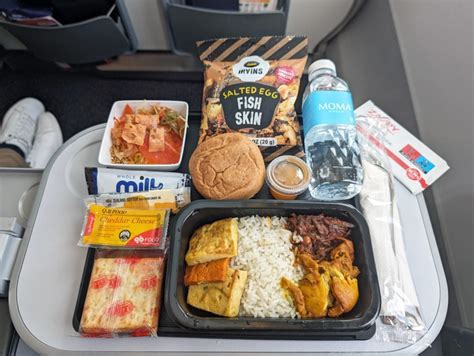
The outcome of this case could have lasting implications, shaping how airlines approach food safety and customer health in the future. As more passengers advocate for better allergy management practices, it is imperative for airlines worldwide to take proactive measures in safeguarding the health and well-being of their passengers. By prioritizing food safety and ensuring rigorous adherence to allergen protocols, airlines can foster a safer and more trustworthy travel experience for everyone.