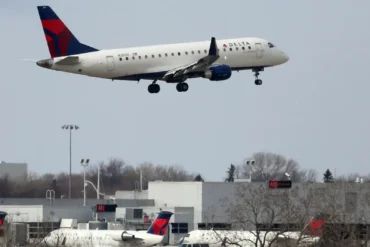
A passenger is suing Delta Air Lines after allegedly suffering severe burns when a flight attendant accidentally spilled hot coffee on his leg during a flight from Puerto Rico to New York. The incident, which reportedly occurred last October, has raised questions about the risks associated with serving extremely hot beverages inside an aircraft cabin and the responsibilities of airlines when passengers are injured during routine inflight service.
According to allegations reported in the New York Post, Frank Morello was traveling from Luis Muñoz Marín International Airport (SJU) in San Juan to John F. Kennedy International Airport (JFK) when the coffee spilled onto his right leg. Morello claims the liquid was dangerously hot and that his skin began blistering almost immediately after contact.
The passenger’s lawsuit, filed in Queens Supreme Court, seeks an unspecified amount of damages. Morello alleges that he suffered serious burns and was left with permanent scarring. He also claims that he did not receive first aid from the crew during the flight and instead sought medical assistance after the aircraft reached New York.
Delta Air Lines Coffee Spill Allegedly Causes Severe Burns
Morello’s account describes what began as an ordinary beverage service becoming a painful inflight accident. During the flight, he reportedly commented that the coffee appeared to be excessively hot and potentially dangerous. The beverage was subsequently spilled by a flight attendant, with the coffee running down onto his right leg.
The lawsuit alleges that the injury was more than a minor scald. Morello reportedly experienced immediate blistering and ultimately developed permanent scars on the affected area. His attorney, Michael G. LoRusso, emphasized that although the spill may have been accidental, the consequences were significant.
The central issue in the case is therefore not simply whether the coffee was spilled intentionally—it was not—but whether Delta exercised an appropriate level of care when serving a beverage capable of causing serious burns. Morello is seeking damages for the injuries, pain and lasting effects that he says resulted from the incident.
Why Hot Coffee Can Be Particularly Dangerous on an Aircraft
Serving hot beverages on an aircraft presents challenges that do not necessarily exist in a restaurant or home kitchen. Commercial aircraft cabins are pressurized to an altitude equivalent generally ranging from about 6,000 to 8,000 feet, meaning water boils at a lower temperature than it does at sea level.
At approximately 8,000 feet, water can boil at roughly 194°F (90°C), although the precise boiling point depends on cabin pressure. Coffee served at temperatures approaching that level can therefore cause serious scalding injuries when it comes into direct contact with exposed skin.
The confined environment of an aircraft can make the consequences of a spill worse. Passengers sit close together, tray tables provide relatively small working surfaces, and flight attendants frequently move through narrow aisles while carrying cups, food and service equipment. Even a brief movement of the aircraft can turn a routine interaction into an accident.
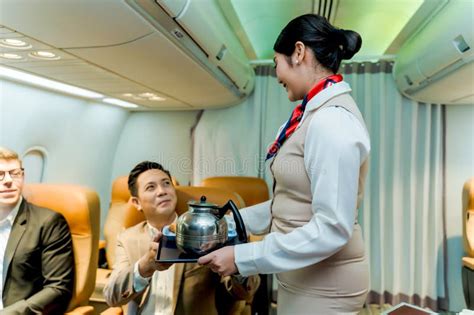
Turbulence Adds Another Risk During Inflight Beverage Service
One of the biggest hazards during cabin service is unexpected turbulence. Clear-air turbulence can occur without obvious visual warning and can cause sudden vertical or lateral movements that passengers and crew may have little time to anticipate.
A cup of hot coffee that is stable one moment can quickly become unstable when the aircraft jolts. The danger is especially pronounced when a beverage is filled close to the rim, because even a relatively small movement can send hot liquid over the edge.
Aircraft cabin design adds another complication. Flight attendants work within narrow aisles and around seated passengers, often while handling service carts and multiple items simultaneously. A sudden movement, a passenger’s arm or an unexpected aircraft motion can create an opportunity for a spill.
Delta’s San Juan Network Makes the Route Significant
The flight involved in the alleged incident was traveling between San Juan and New York, a route that forms part of Delta’s broader network from Puerto Rico. Delta operates year-round service from San Juan to several major U.S. destinations, including Atlanta, Boston, Detroit, Minneapolis-St. Paul and New York-JFK.
Delta also operates seasonal service between San Juan and Raleigh-Durham. The airline’s substantial presence in Puerto Rico means that flights connecting the territory with major U.S. cities carry thousands of passengers over the course of a year, making routine cabin-service procedures an important part of the travel experience.
For most travelers, inflight coffee is an ordinary convenience. The alleged injuries in this case illustrate how quickly that everyday service can become a safety issue when extremely hot liquid comes into contact with skin.
What Happens Next in the Delta Coffee Spill Lawsuit
The allegations remain claims presented by the passenger, and the lawsuit will have to establish the facts surrounding the spill, the temperature of the coffee, the crew’s response and the extent of Morello’s injuries. The eventual legal outcome could depend heavily on evidence concerning how the beverage was served and what assistance was provided afterward.
Morello’s attorney has argued that flight attendants must exercise particular caution when handling very hot drinks in the confined environment of an aircraft. Delta, meanwhile, had not immediately provided a response to requests for comment cited in the reference report.
Regardless of the eventual outcome, the case highlights a surprisingly serious aspect of airline cabin safety. A cup of coffee may seem harmless, but when it is served at a temperature capable of causing severe burns, proper handling and a prompt response to an accident can become critically important.