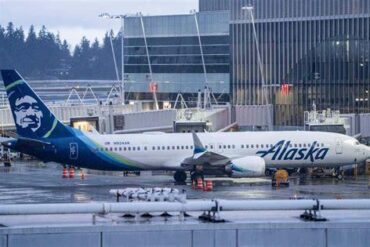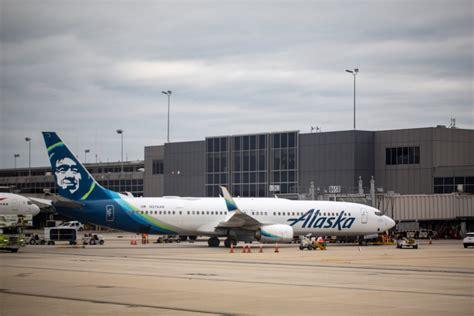
The Alaska Airlines lawsuit now drawing national attention began with what should have been a routine inflight service: a cup of tea handed to a young passenger. Instead, it has evolved into a serious legal dispute centered on passenger safety, airline procedures, and the hidden risks of hot beverages at 35,000 feet.
Filed by the parents of an 8-year-old girl, the complaint alleges that their daughter suffered severe burns and permanent scarring after hot tea spilled on her during a November 2022 flight from Boston Logan International Airport to Portland International Airport. The lawsuit seeks $75,000 in damages, but the broader implications extend far beyond a single financial claim.
At its core, the case forces a closer look at how airlines handle one of the most overlooked aspects of cabin service—and whether standard practices around hot drinks are overdue for reform.
Inside the Incident: How a Cup of Tea Turned Into a Medical Emergency
According to the complaint, the incident occurred aboard Alaska Airlines Flight 811 shortly before landing. The child was reportedly served an “un-lidded cup of hot tea”, a detail that now sits at the heart of the negligence claim.
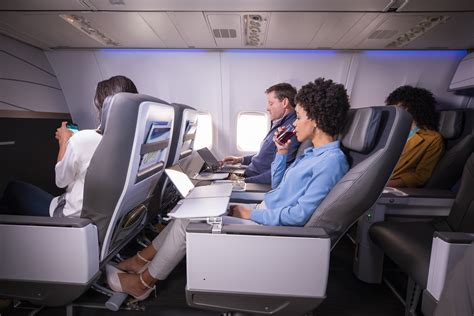
What followed was sudden and chaotic. Another passenger allegedly jostled the girl’s tray table, causing the tea to spill directly onto her legs, abdomen, and groin. The lawsuit describes the immediate aftermath in stark terms: intense pain, screaming, and a frantic rush to the lavatory, where the child reportedly vomited due to the severity of the burns.
Medical attention was urgent. Upon landing, she was taken to Emanuel Children’s Hospital in Portland, where doctors treated her for serious burn injuries. While the immediate crisis was addressed, the family claims the consequences have been long-lasting, including ongoing discomfort and permanent scarring.
This is where the narrative shifts from accident to accountability. The lawsuit does not merely describe an unfortunate spill—it argues that preventable failures in basic safety procedures directly contributed to the injury.
Allegations of Negligence: Where Safety Protocols May Have Failed
The legal complaint outlines several specific claims regarding airline negligence, focusing on what the flight attendant allegedly did not do during the service:
- No lid was provided for the hot beverage
- No warning was given about the temperature or potential hazard
- No instruction was offered about securing the drink
- The tray table was not checked for stability or cleared properly
These details matter because they frame the incident not as a random mishap, but as a systemic lapse in standard inflight safety practices.
In an aircraft cabin, small oversights can escalate quickly. Tray tables are narrow, seating is tight, and passengers frequently shift position—especially during descent. Under those conditions, serving unsecured, high-temperature liquids introduces a level of risk that may not be adequately mitigated by current procedures.
The lawsuit effectively asks a simple but uncomfortable question: Should something as ordinary as serving tea carry stricter safeguards?
A Growing Pattern: Similar Lawsuits Across Major Airlines
The Alaska Airlines case does not stand alone. In fact, it arrives amid a wave of similar lawsuits involving hot beverage burns on commercial flights—many of them involving children.
Recent reports highlight multiple incidents across major carriers:
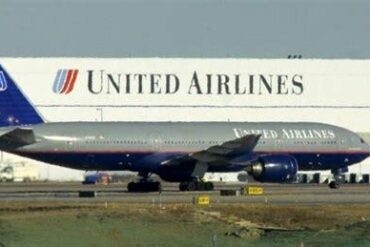
United Airlines has faced legal action after a 4-year-old girl was allegedly burned by uncovered scalding water on a flight from Newark to Tel Aviv. The injuries reportedly resulted in lasting scars.
Southwest Airlines was sued following an incident in which a flight attendant allegedly spilled hot coffee on a young boy, causing second-degree burns.
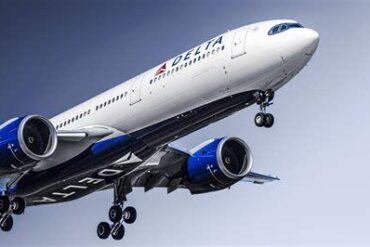
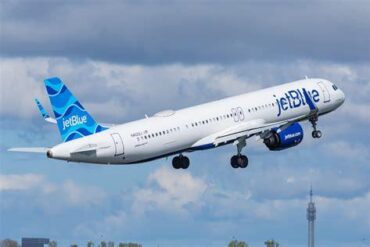
Delta Air Lines has dealt with claims from an adult passenger who suffered serious burns from spilled hot water, while Frontier, JetBlue, and American Airlines have all been linked to similar cases involving scalding liquids and significant injuries.
Taken together, these incidents suggest a troubling pattern: hot liquids remain a recurring source of onboard injury, despite being a routine part of airline service.
Even more striking is the number of cases involving minors. Children are naturally more vulnerable in confined, unpredictable environments like aircraft cabins, making the risk profile of hot beverage service significantly higher than it may appear on the surface.
Why Cabin Conditions Amplify Risk
To understand why these incidents keep happening, it helps to look closely at the unique environment of an airplane cabin.
Unlike a restaurant or home setting, an aircraft introduces several risk factors simultaneously. Space is limited, movement is constant, and stability is never guaranteed. A slight shift—whether from turbulence, a passenger standing up, or even normal landing procedures—can instantly destabilize objects placed on tray tables.
Hot drinks, often served near or at near-boiling temperatures, add another layer of danger. When placed on a narrow, slightly angled surface, even a small disturbance can result in direct contact with skin, leading to rapid and severe burns.
Children, in particular, may not fully understand the risk or react quickly enough to avoid injury. When combined with inadequate safeguards, the outcome can be devastating.
The Legal and Industry Implications of the Alaska Airlines Case
While the lawsuit itself seeks a relatively modest sum compared to other aviation claims, its significance lies in what it represents. Cases like this have the potential to reshape industry expectations around passenger safety.
If courts begin to view these incidents as preventable rather than accidental, airlines could face increasing pressure to standardize stricter safety measures. That might include mandatory use of lids, clearer service protocols, or revised training for cabin crew.
Airlines have historically treated beverage service as a low-risk, routine task. But repeated litigation—especially involving children and permanent injuries—could challenge that assumption.
Rethinking Hot Beverage Service at 35,000 Feet
The Alaska Airlines lawsuit highlights a gap between perceived safety and actual risk. For airlines, a cup of tea is a minor detail in the broader inflight experience. For passengers affected by burns, it can become a life-altering event.
Addressing this gap does not require radical changes, but it does demand greater attention to detail and consistency. Small adjustments—like ensuring every hot drink is covered or providing brief verbal warnings—could significantly reduce the likelihood of injury.
There is also a broader cultural shift at play. As passengers become more aware of their rights and more willing to pursue legal action, airlines may find that proactive safety improvements are far less costly than reactive settlements.
A Defining Question for Airline Safety
Ultimately, the Alaska Airlines case raises a question that extends beyond a single flight or family: How safe is “routine” when the environment itself is unpredictable?
The answer may determine how airlines approach not just beverage service, but the broader philosophy of risk management in confined, high-density travel environments.
For now, the lawsuit moves forward, carrying with it the weight of a child’s injuries and a growing body of similar cases. Whether it leads to meaningful change remains to be seen—but the spotlight it casts is unlikely to fade anytime soon.