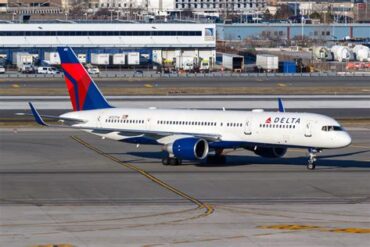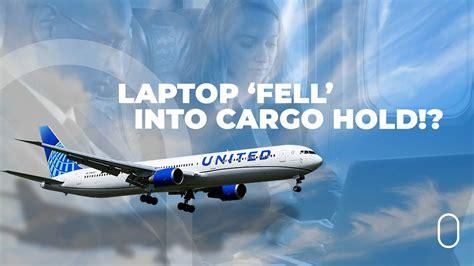
United Airlines was forced to divert a Europe-bound Boeing 767 for the third time in recent months after a passenger’s laptop slipped through a narrow cabin sidewall gap and fell into the cargo hold, reigniting concerns about cabin design vulnerabilities and lithium battery risks at cruising altitude. The aircraft, operating a scheduled transatlantic service, turned back as a precaution when the device became inaccessible and potentially hazardous.
The incident unfolded aboard United Flight 748, which departed Washington Dulles International Airport bound for Geneva. Less than an hour after takeoff, the crew initiated a diversion protocol, choosing Newark Liberty International Airport as the safest and most practical option. While the aircraft itself remained fully controllable, the presence of an unattended lithium-powered laptop in the cargo hold elevated the situation from inconvenience to safety concern.
This was not an isolated event. Similar diversions involving the same aircraft type and cabin configuration have occurred twice before, making this the third laptop-related diversion involving United’s Boeing 767 fleet in as many months. Each case followed a nearly identical pattern, suggesting a systemic issue rather than random misfortune.
A Diversion Triggered by a Hidden Cabin Gap
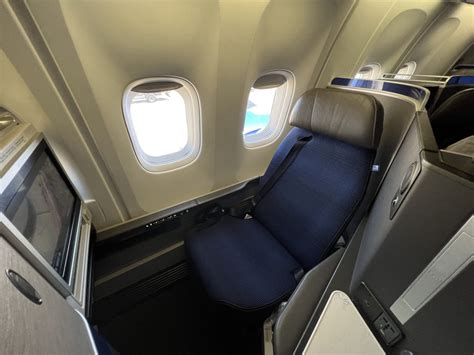
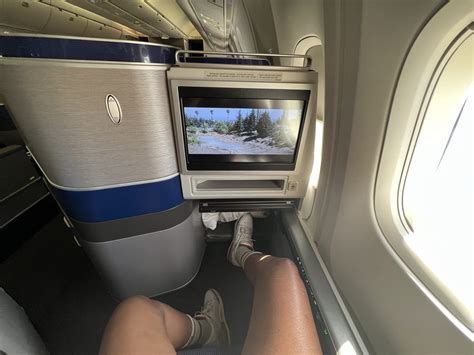
At the center of the incident is a thin gap between the Polaris business class seat structure and the aircraft’s sidewall. The opening is typically filled with a foam strip intended to prevent small personal items from slipping through. However, passengers have reportedly been using the space as an informal storage area, unaware that heavier objects can dislodge the foam barrier.
During a period of light turbulence, the laptop slid through the gap, passed behind the wall panel, and dropped directly into the cargo hold. Once there, the device could not be accessed without specialized maintenance procedures on the ground. Flight crews are trained to treat such scenarios with caution, particularly when lithium batteries are involved.
Flight tracking data shows the aircraft executed a sharp course reversal approximately fifty-five minutes into the journey. After remaining airborne for just over two hours, the Boeing 767 landed safely in Newark, where maintenance teams retrieved the device and conducted a thorough inspection before the flight continued to Switzerland.
Why Lithium Batteries Force Immediate Action
Lithium-ion batteries are energy-dense, lightweight, and ubiquitous, but they carry a well-documented risk known as thermal runaway. If a battery is damaged, overheats, or internally short-circuits, it can enter a self-sustaining chain reaction that produces intense heat, smoke, and fire. In the confined environment of an aircraft, this risk is treated with zero tolerance.
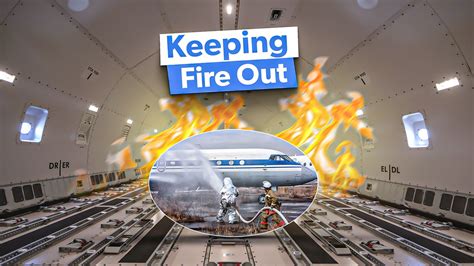
Although modern airliners are equipped with fire suppression systems and crews carry specialized containment kits, these measures are most effective when a device is visible and reachable. A laptop burning unseen in the cargo hold removes that layer of control, leaving diversion as the only prudent option.
A United Airlines spokesperson confirmed the diversion was executed purely as a precaution. Maintenance crews recovered the laptop, verified that no damage had occurred, and cleared the aircraft for onward travel. Still, the financial and operational impact of such diversions is substantial.
A Pattern Emerging Across United’s 767 Fleet
The repetition of these incidents has drawn attention to the Boeing 767’s Polaris cabin layout. In October, a Rome-bound United flight turned back shortly after departure from Washington under nearly identical circumstances. In November, another United 767 flying from London to Washington diverted to Dublin after a laptop slipped between a seat armrest and the cabin wall.
Each diversion represents hundreds of thousands of dollars in direct costs, not including downstream delays, crew duty complications, and passenger reaccommodation. More importantly, the pattern raises questions about whether the existing foam barrier solution is sufficient for modern travel habits, where passengers routinely carry thin, heavy electronics.
A structural redesign or reinforced barrier could prevent future incidents, but implementing modifications across an active fleet is neither quick nor inexpensive. Until then, airlines may rely on clearer passenger guidance and stricter cabin crew enforcement to discourage using sidewall gaps as storage spaces.
The Wider Aviation Safety Context
This episode arrives amid heightened scrutiny of battery-powered devices onboard aircraft. In recent years, several in-flight fires have been traced to faulty power banks, prompting airlines worldwide to tighten restrictions. Some carriers now prohibit power banks from overhead bins and require passengers to keep them on their person at all times.
Earlier this month, an incident involving an overheating power bank caused burns to a passenger’s hand on an Asian carrier, reinforcing calls for even stricter regulations. While laptops remain permitted, their size and battery capacity mean that when something goes wrong, consequences escalate quickly.
For United Airlines, the recurring diversions serve as an expensive reminder that small design oversights can have outsized operational consequences. For passengers, the message is simpler: where you place your electronics matters more than it seems, especially at thirty-five thousand feet above the Atlantic.
As air travel grows more tech-heavy, aligning cabin design, passenger behavior, and safety policy becomes essential to preventing avoidable diversions and maintaining confidence in long-haul aviation operations worldwide today