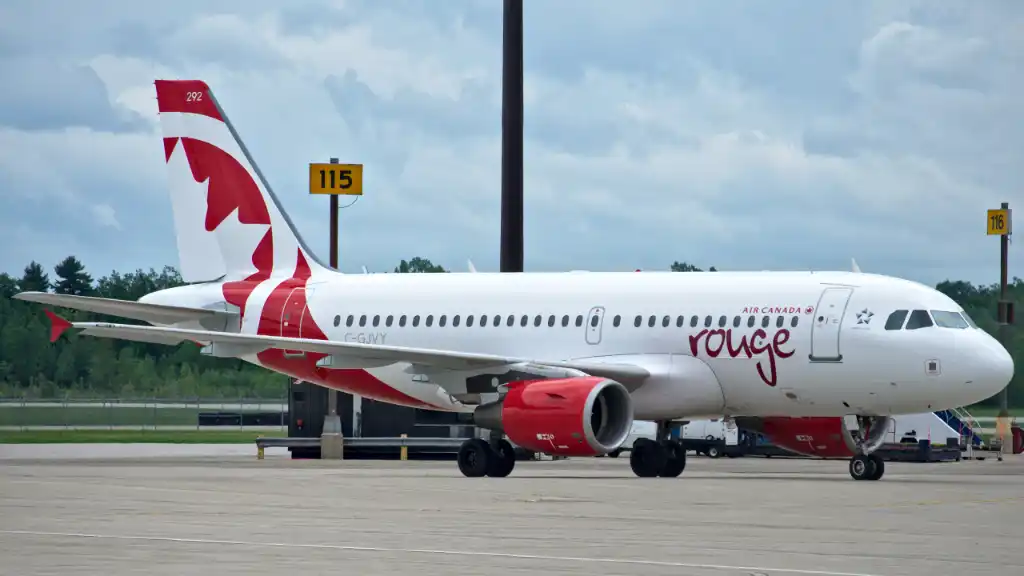
Air travel is engineered around layers of redundancy, procedure, and human vigilance. On December 13, that vigilance—unexpectedly provided by alert passengers—prevented what could have become one of the most severe ground-handling tragedies in recent Canadian aviation history. An Air Canada Rouge Airbus A319-200 taxied for departure from Toronto Pearson International Airport (YYZ) while a baggage handler remained trapped inside the cargo hold, unaware to those in the cockpit until alarming sounds cut through the cabin floor.
The flight was scheduled to operate from Toronto to Greater Moncton Roméo LeBlanc International Airport (YQM), a routine domestic sector typically completed without drama. Instead, it turned into a prolonged, unsettling night that exposed how narrow the margin can be between normal operations and catastrophe.
A Delayed Departure That Set the Stage
The aircraft was originally slated to depart at 2:00 pm, with an arrival in Moncton just after 5:00 pm. Operational delays quickly compounded, pushing boarding back to approximately 6:30 pm. By the time the aircraft finally pushed away from the gate, passengers were already fatigued, their patience thinned by hours of waiting. That delay, while frustrating, proved unintentionally lifesaving.
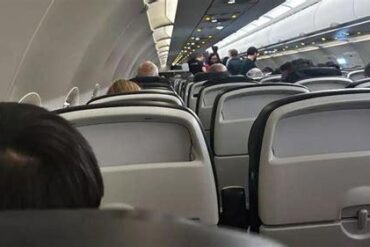
As the Airbus A319 began its taxi, passengers seated above the forward cargo bay heard loud banging and desperate shouting from beneath the cabin floor. The sounds were not subtle. Several travelers immediately alerted the cabin crew, triggering an urgent chain of communication to the flight deck.
Yelling From Below the Cabin Floor
The pilots reacted decisively, halting the aircraft on the apron before it reached the runway. The engines remained running, but the aircraft went nowhere. For passengers, confusion reigned. The aircraft sat motionless for an extended period, fueling speculation until the captain addressed the cabin directly.
He explained that a ground crew member had been accidentally trapped inside the cargo hold during loading operations. The aircraft had already pushed back and begun taxiing before the error was discovered.
Inside the Airbus A319 Cargo Hold
The cargo holds on an Airbus A319-200 are not designed for human occupancy. They are unpressurized until airborne, unheated during ground operations, and lack lighting suitable for prolonged presence. Had the aircraft taken off, the situation would have escalated from dangerous to fatal within minutes.
At cruising altitude, temperatures inside the hold can plunge well below freezing. Oxygen levels drop sharply, and rapid pressure changes can induce hypoxia, confusion, and loss of consciousness. Survival would have depended entirely on the aircraft remaining at low altitude and returning immediately—an outcome far from guaranteed.
This reality is why aviation safety experts described the event as a tragedy narrowly averted, not merely an operational mishap.
Hours on the Apron and a Crew Timeout
After the aircraft stopped, it remained parked for roughly an hour while ground teams secured the cargo area and ensured the handler was safely removed. The individual was rescued before serious injury occurred, a testament to the speed of the response once the issue was identified.
However, the delay had consequences. By the time the situation was resolved, the pilots had exceeded their legally permitted duty hours. Regulations left no room for discretion. The flight could not continue with the same crew.
Passengers were eventually disembarked around 8:22 pm, returning to the terminal with little clarity on what would come next.
Mechanical Trouble Compounds the Crisis
New pilots arrived later that evening, and boarding resumed after 10:00 pm. Hope briefly returned to the cabin. That optimism evaporated quickly. By 11:00 pm, the Airbus A319 was still parked, this time due to a mechanical issue requiring maintenance before departure.
Fifteen minutes later, passengers were once again asked to deplane. A replacement aircraft was promised. Just before midnight, another aircraft appeared at the gate, but progress stalled yet again. By 1:50 am, the flight was officially canceled, leaving travelers stranded overnight.
A rescheduled service finally departed on December 14, delivering passengers to Moncton nearly 24 hours later than planned.
How a Simple Error Nearly Turned Deadly
Ground handling incidents involving humans inside cargo holds are exceptionally rare, precisely because standard operating procedures are designed to prevent them. Multiple visual checks, communication protocols, and load confirmation steps exist to ensure all personnel are clear before doors are closed.
This incident highlights how breakdowns in coordination, especially during delayed and high-pressure operations, can defeat even robust systems. Fatigue, time pressure, and disrupted schedules form a dangerous cocktail in aviation, where routine tasks can suddenly carry extraordinary risk.
Broader Implications for Aviation Safety
Air Canada Rouge confirmed that the aircraft itself was undamaged, yet it remained grounded following the incident for inspection. While investigations focus on procedural failures rather than equipment, the event has reignited discussion across the industry about ground crew safety, checklist discipline, and real-time verification methods.
For passengers, the episode served as a sobering reminder that aviation safety does not begin at takeoff. It starts on the ramp, with every latch, door, and signal performed correctly—or not at all.
A Crisis Stopped by Human Awareness
In the end, the most important safeguard was neither technology nor regulation, but human attention. Passengers who refused to dismiss strange noises as mechanical quirks quite literally saved a life. Their decision to speak up transformed a near-fatal oversight into a survivable incident.
Aviation is often praised for its machines, but this night underscored a quieter truth: safety still depends on people listening, noticing, and acting when something feels wrong.