Israel’s Tourism Dream Turns Into a Crisis Zone as Conflict Escalates
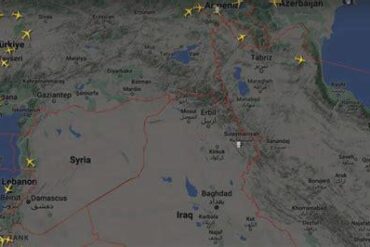
What began as a routine travel season in Israel has now turned into a nightmare for more than 40,000 international tourists stranded across the country. As conflict with Iran intensifies, nearly all commercial airports in Israel are shut down, and missile sirens are replacing sightseeing itineraries. The bustling streets of Jerusalem are eerily quiet, the sky lit by streaks of ballistic fire, and the nation’s premier travel infrastructure is paralyzed.
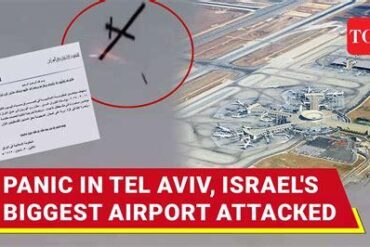
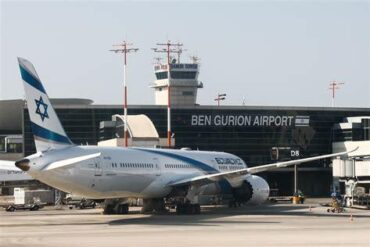
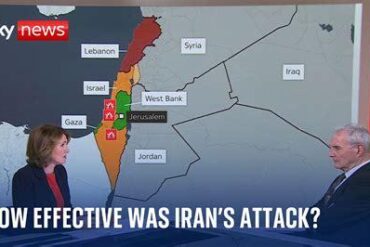
The sudden escalation followed Israel’s pre-dawn airstrike on Iranian military assets, prompting swift retaliation. In response, Iran launched a coordinated missile barrage that reached the heart of Israeli cities, including Tel Aviv and Jerusalem. The Israeli government immediately closed national airspace, grounding all incoming and outgoing flights indefinitely. Ben Gurion International Airport, the country’s busiest gateway, remains shuttered with no forecasted reopening.
Air Raid Sirens and Bomb Shelters Replace Beach Days and Heritage Tours
Instead of strolling through the Old City of Jerusalem or lounging on the beaches of Tel Aviv, tourists now spend their days sheltering underground. The sound of air raid sirens has become a grim refrain across major cities. Hotels have repurposed their storage basements and spas as makeshift bomb shelters, and resort staff are now trained in emergency protocols rather than guest services.
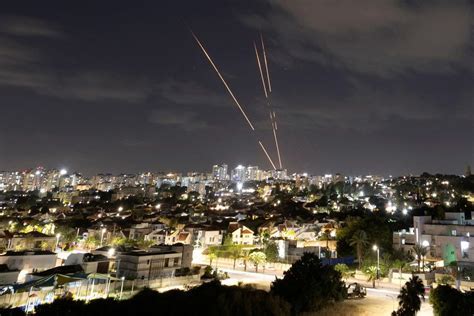
In Jerusalem, tourists have witnessed missiles streaking across the skyline, followed by the thunder of Iron Dome interceptions. Many who had arrived for religious pilgrimages or summer exploration are trapped in unfamiliar terrain under the shadow of war. The once-vibrant tourist neighborhoods have fallen silent. Museums are closed, heritage sites barricaded, and public events, such as the world-renowned Tel Aviv Pride Parade, were canceled moments before commencement.
International Flights Suspended, Escape Options Dwindling
The closure of Ben Gurion Airport has left travelers scrambling for alternative routes, with most airlines suspending services indefinitely. International carriers have cited safety risks and operational uncertainty, canceling flights en masse. The few remaining avenues for escape lie through overland crossings into Jordan, a complicated and costly option requiring multi-leg coordination, visa approvals, and exorbitant airfare from Amman’s Queen Alia Airport.
For those still attempting to flee, the logistics are increasingly bleak. Some have hired private transport to reach the Jordanian border, only to find congestion, delays, or turned-away vehicles. The Israeli Ministry of Tourism has launched an emergency 24/7 virtual help desk to assist foreign nationals in both English and Hebrew, but the deluge of inquiries has overwhelmed response times.
A Crippling Blow to Israel’s Tourism Economy
Tourism contributes nearly 3% of Israel’s GDP, and the sector is now under siege. The ripple effect extends well beyond stranded tourists. Airlines are rerouting planes to avoid Middle Eastern airspace. Tour operators are canceling upcoming trips into the region. International hotel chains are bracing for heavy losses, while local businesses—from cafes to car rentals—face mounting closures.
The economic fallout is immediate and severe. Travel insurers are reevaluating coverage policies for the region, often removing warzone protection clauses. Booking platforms report tens of thousands of cancellations as travelers scrap Israel from their summer itineraries. The Ministry of Tourism is urging caution but cannot provide guarantees or forecasts, citing the unpredictability of missile attacks and government-level security discussions.
Lives on Hold: Stranded Tourists Navigate Chaos and Fear
Tourists caught in this crisis describe the emotional toll as overwhelming. One Australian couple, who arrived in Israel two days before the missile strikes began, now spend their nights in stairwells and windowless basements. “We came for the history and ended up living through it,” the husband said. Another traveler from Germany said she had packed for beaches, not bunkers.
Fear and confusion are constant companions. Social media is flooded with real-time videos of sirens wailing, missile trails in the sky, and crowds pushing into public shelters. The sense of isolation is compounded by language barriers and disrupted communications. For elderly tourists or those with children, the anxiety is magnified. Emergency supplies are dwindling, hotel staff are stressed, and room availability is running thin in unaffected regions.
The Emotional Divide: To Flee or Stay?
Yet not every tourist is racing to leave. Some visitors, particularly those with relatives in Israel, are choosing to stay and ride out the conflict. For them, the bond of family outweighs the danger. Others express solidarity with the people of Israel, pledging not to abandon them in a moment of crisis.
This divide highlights the emotional complexity of travel during armed conflict. Decisions are no longer based on flight schedules or refund policies but on survival instincts and human connection. Foreign embassies are urging citizens to remain sheltered, remain in contact, and avoid movement unless absolutely necessary.
Regional Tensions Redefine Middle East Travel
The broader implications of the Iran-Israel conflict are now reshaping travel across the Middle East. Countries once seen as safe stopovers—like Jordan, Turkey, and Egypt—are reevaluating their diplomatic stances and airport readiness. International advisories from the US, UK, Germany, Australia, and Canada now list Israel as “Do Not Travel”, citing direct missile threats and widespread military activity.
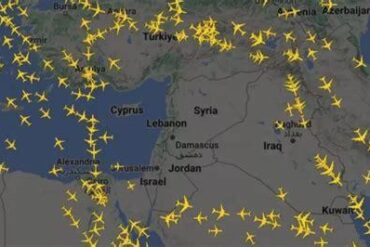
Flight routes are being redrawn, bypassing large parts of Middle Eastern airspace. Tour operators who once bundled Israel with Egypt or Jordan are pulling those packages from their platforms. Even religious pilgrimage groups, typically steadfast in their plans, are postponing or canceling missions.
Israel’s Travel Industry in Freefall: No Timeline for Recovery
The Ministry of Tourism, working closely with the IDF and Homeland Security, has yet to provide a projected timeline for resuming tourism activities. Travel businesses, including airlines and booking agencies, have been advised to adopt a wait-and-see approach. It is expected that resumption of normal travel will only occur once the airspace is declared fully secure by the military.
Until then, the country’s usually thriving tourism network remains frozen. Cultural sites are locked, tour guides are unemployed, and the dreams of both hosts and visitors remain suspended in a surreal, volatile landscape.
Final Observations: Tourism Caught in the Crossfire
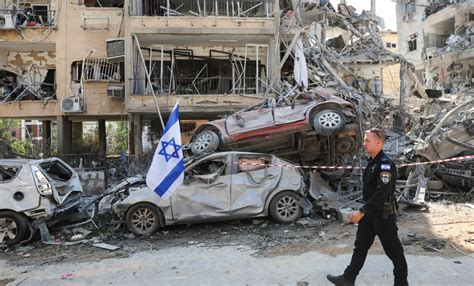
This is not a temporary delay or routine geopolitical event. It is a profound, real-time dismantling of one of the region’s most vibrant travel economies. The travel crisis in Israel has emerged as a stark example of how quickly leisure can turn into life-and-death logistics.
For travelers still planning trips, the message is unambiguous: review advisories, monitor news from trusted international agencies, and delay travel to the region until further notice. For those caught in the conflict, safety is the only priority. And for the world, this is a sobering reminder of the fragility of global tourism in an age of rapid conflict escalation.
As the sun sets over Jerusalem behind plumes of smoke and fire trails, the holy city—once the heart of history and pilgrimage—now stands at the epicenter of an unfolding geopolitical tragedy. The world watches. The tourists wait. And an entire nation holds its breath.