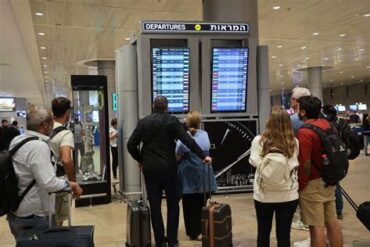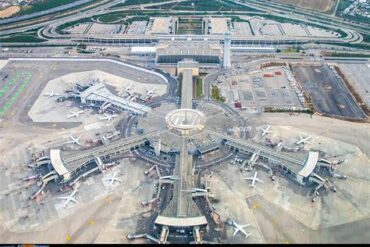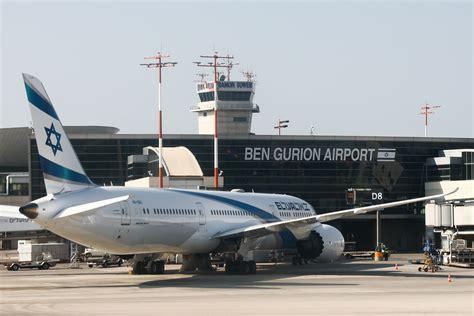
The global aviation sector is once again navigating turbulent skies as more than 30 international airlines have suspended or rerouted flights in the wake of Israel’s unprecedented aerial strikes on Iran. The move comes amid heightened tensions and growing fears of regional instability, triggering an immediate domino effect across the Middle Eastern aviation corridor, one of the most geopolitically sensitive airspaces in the world.
The Israeli air offensive, reportedly the largest in the country’s modern military history, targeted sites in Iran based on claims that Tehran is advancing dangerously close to nuclear weapons capability—an allegation Iran vehemently denies. The retaliatory cycle of missile exchanges and aerial maneuvers has led to the closure of vital airspace, rendering direct routes unsafe and prompting airlines to adopt a wait-and-see strategy.
Immediate Impact on Global Aviation Networks
In response to the deteriorating security environment, major carriers like Emirates, Etihad, Lufthansa, Qatar Airways, and Delta have implemented either full suspensions or significant reductions of services to cities including Tel Aviv (TLV), Tehran (IKA), Beirut (BEY), Amman (AMM), and Baghdad (BGW). The knock-on effect has severely strained already overburdened alternate routes, escalating operational costs and creating logistical chaos for travelers and cargo operators alike.
The temporary shutdown of these key aviation hubs effectively splits the Middle East airspace, forcing carriers to undertake lengthy detours via safer corridors over Europe, Central Asia, or North Africa. This has prolonged flight times, increased fuel burn, and in some cases, led to last-minute cancellations, adding to the mounting uncertainty for passengers.
Major Airlines Suspend Routes Across the Region
Among the most notable disruptions:
- Delta Air Lines has ceased operations from New York (JFK) to Tel Aviv until August 31.
- United Airlines suspended all Tel Aviv flights from Newark (EWR) until August 1.
- British Airways, part of the IAG Group, has halted flights to Tel Aviv until July 31.
- Lufthansa Group cancelled routes not only to Tel Aviv and Tehran but also Amman and Beirut through late July.
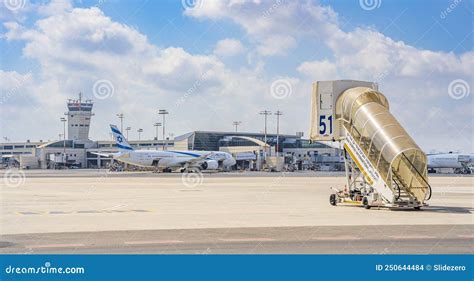
India’s Air India grounded and rerouted over 16 flights across the Iranian corridor, highlighting the extensive scale of rerouting. Meanwhile, Emirates and Etihad Airways, two of the region’s largest carriers, have pulled flights to and from Tehran, Baghdad, Basra, Amman, and Tel Aviv through late June.
Regional Carriers Under Pressure
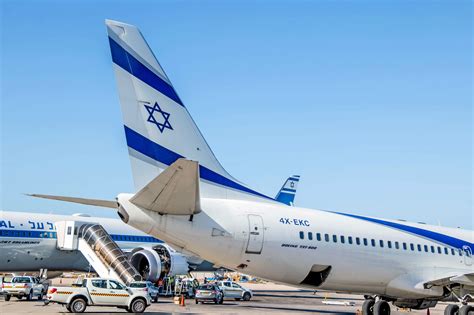
The shockwaves have reverberated beyond global players. Middle Eastern and regional carriers like Israir, Arkia, El Al, and TUS Airways have entirely suspended operations into Israel and neighboring states. For Israeli national carrier El Al, operations have been reduced to essential recovery flights only, with no full service expected before June 23.
Similarly, Pegasus Airlines, Turkish Airlines, and Flydubai have slashed routes across Iraq, Syria, Jordan, and Iran, citing escalating risk levels. Some of these suspensions extend beyond the end of June, signaling that airlines anticipate prolonged instability.
European Operators Withdraw in Unison
Europe-based airlines have responded with swift and decisive action:
- Air France has suspended Tel Aviv flights indefinitely.
- KLM not only halted Tel Aviv routes but also warned of imminent disruption to Beirut.
- Air Europa, Transavia, and TAROM joined the exodus by cancelling flights across Israel, Jordan, and Lebanon.
- Aegean Airlines cancelled services to Tel Aviv, Beirut, Amman, and Erbil through July.
Even budget airlines such as Wizz Air and Ryanair have enacted sweeping suspensions of Middle Eastern services. Wizz Air notably pulled all flights to Tel Aviv and Amman until mid-September, indicating a deep concern over sustained regional volatility.
Asia and Africa Respond to Crisis
The ripple effect of the Israel-Iran confrontation extends well into South and East Asia. Aeroflot halted all Tehran flights from Moscow, while Georgian Airways cancelled Tel Aviv service until June 22. In Africa, Ethiopian Airlines suspended its Addis Ababa to Tel Aviv flights, signaling how far-reaching the airspace disruptions have become.
Notably, Qatar Airways, typically resilient amid past geopolitical events, was compelled to cancel routes to Syria, Iraq, and Iran, affecting up to eight cities in its network, albeit temporarily. Even though the suspension for Qatar is only through June 14, officials have emphasized that future extensions are under evaluation.
Airspace Closure and Operational Challenges
The closure or avoidance of Iranian and Israeli-controlled airspace has fundamentally altered flight paths for dozens of international carriers. The FAA, EASA, and ICAO have issued region-specific safety bulletins, urging caution or avoidance altogether.
This has forced airlines to reroute flights over Saudi Arabia, Egypt, and even parts of Central Asia, leading to considerable delays, increased air traffic congestion, and a strain on air traffic control systems. The aviation industry is also grappling with insurance complications, as higher premiums are applied to flights transiting through red-zone areas.
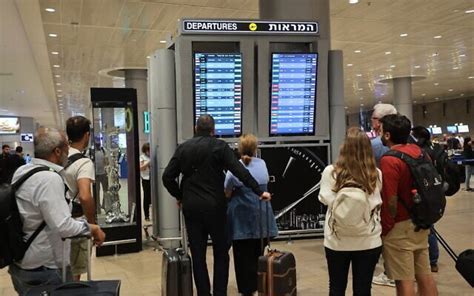
In addition, airport security in Tel Aviv, Tehran, and Beirut has been raised to critical levels, further reducing operational efficiency and elevating stress among staff and passengers alike.
Mounting Economic and Diplomatic Fallout
The economic cost of these suspensions is staggering. Airlines are facing tens of millions in losses due to refunds, aircraft idling, crew reassignments, and ticket rebooking. For carriers operating on thin margins, this sudden shock threatens route viability and short-term profitability.
From a diplomatic standpoint, the ongoing airspace closures and flight disruptions are adding pressure on regional powers and international stakeholders to de-escalate tensions. However, with no clear ceasefire or diplomatic breakthrough, airlines continue to operate in a climate of uncertainty, making daily operational decisions based on intelligence updates and risk analyses.
A Worsening Outlook: What Lies Ahead
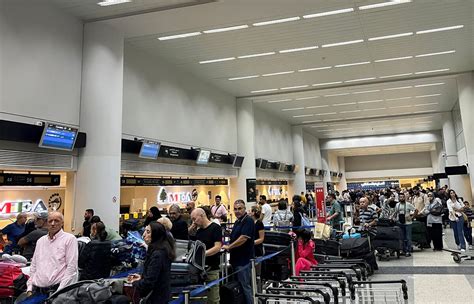
Despite official language describing the suspensions as “temporary,” many airlines have left the door open for longer-term cancellations if hostilities worsen. Several routes, particularly those involving Israeli, Iranian, Iraqi, and Syrian airspace, remain under constant review.
Industry analysts suggest that should the conflict persist into Q3 and Q4 of 2025, the broader Middle Eastern aviation network could face partial collapse, similar to the disruption seen during the Gulf War or early pandemic lockdowns. In such a scenario, alternative regional hubs like Doha, Riyadh, or Cairo may become overloaded, sparking further complications.
Final Thoughts: Aviation in a Geopolitical Crossfire
This current crisis illustrates a recurring truth in modern air travel: aviation is a frontline casualty of geopolitical conflict. Unlike ground-based industries, airlines rely on fluid international cooperation, secure airspace, and regional stability. When those factors collapse, even the most prepared carriers are exposed.
As the Israel-Iran conflict continues to unfold, the aviation industry finds itself in crisis management mode, with carriers, passengers, and regulators all hoping for a swift de-escalation. Until then, the skies over the Middle East remain fraught with risk—and the fallout from these suspensions may ripple across global travel for months to come.