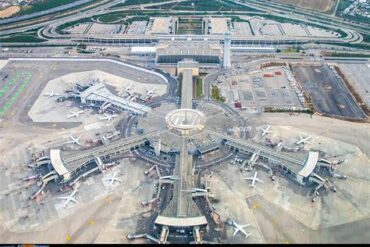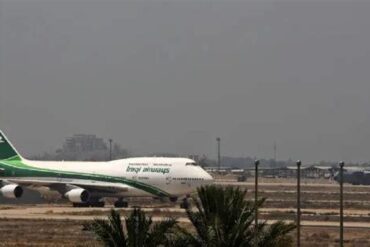
The Israel-Iran conflict has taken a severe toll on the global aviation industry, forcing leading airlines to suspend or adjust operations across the volatile Middle East. As geopolitical tensions surge following U.S. airstrikes on Iranian nuclear facilities and retaliatory missile attacks by Iran, passenger safety and airspace stability have become paramount concerns.
The immediate aftermath of the strikes has seen British Airways, Air France, Emirates, Qantas, Virgin Australia, Singapore Airlines, and several other major carriers implementing significant operational changes. Flights have been rerouted, suspended, or outright cancelled as airlines scramble to navigate the increasingly dangerous airspace over parts of the Middle East.
The Geopolitical Flashpoint: Escalating Military Confrontation
The crisis erupted following weeks of heightened hostility between Israel and Iran, marked by repeated missile exchanges that claimed dozens of lives. Over the past weekend, the situation reached a critical point when the United States conducted targeted airstrikes on Iranian nuclear enrichment sites. Described as a “bold and calculated” move by military analysts, these strikes were intended to degrade Iran’s nuclear capabilities but have instead triggered a new wave of instability.
Iran’s response came swiftly. On Monday evening, Iranian authorities declared that their retaliation, codenamed Besharat al-Faith, had been executed. This military operation included missile strikes directed at Al Udeid Air Base in Qatar, the largest U.S. military installation in the region and a vital hub for Western operations in the Middle East.
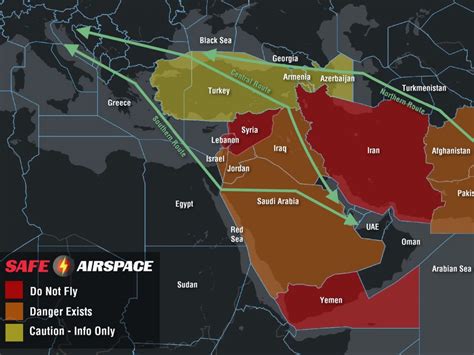
Although no confirmed reports of casualties or significant infrastructure damage have emerged, the psychological and operational impact on the aviation sector has been immediate. The uncertainty surrounding airspace safety has compelled airlines to alter their flight paths to avoid conflict zones.
Airlines React: Widespread Flight Suspensions and Reroutes
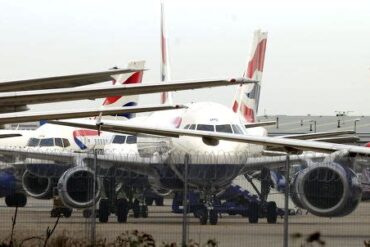
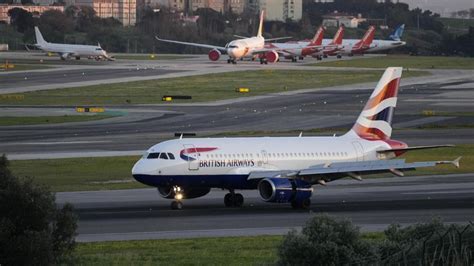
British Airways, which maintains regular routes between London and various Middle Eastern destinations, has announced temporary suspensions of flights to airports within proximity to conflict zones. The airline is working closely with international aviation authorities to monitor developments and adjust schedules accordingly.
Similarly, Air France has taken precautionary measures, suspending operations to high-risk areas while rerouting flights to avoid Iranian and Israeli airspace. These adjustments, though disruptive, are seen as essential to ensuring passenger and crew safety.
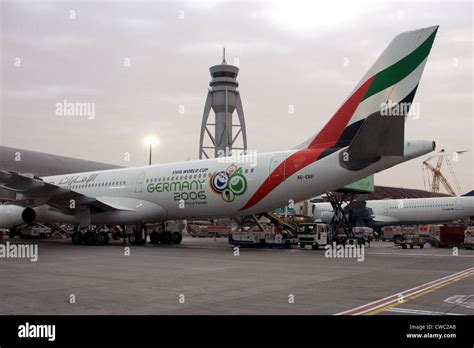
Emirates, the flagship carrier of the United Arab Emirates, has faced unique challenges given its strategic location. While Dubai remains a major global transit hub, Emirates has swiftly modified flight paths to bypass high-tension zones. Passengers have been advised of potential delays and disruptions.
Qantas and Virgin Australia have also updated their operations. Although their flights to Europe often overfly the Middle East, both airlines have initiated contingency routes, adding extra flight time but significantly reducing exposure to conflict zones.
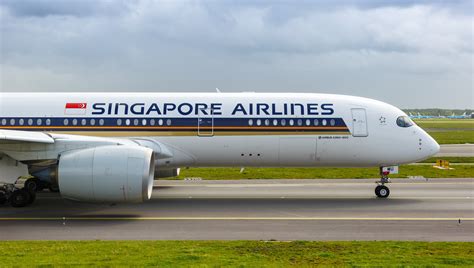
Singapore Airlines, known for its extensive long-haul network, has proactively rerouted flights between Southeast Asia and Europe. The carrier has emphasized its commitment to safety while keeping passengers informed about evolving travel conditions.
Conflicting Ceasefire Claims and Ongoing Uncertainty
Amid international calls for de-escalation, reports emerged suggesting a potential ceasefire between Israel and Iran. However, these claims were swiftly contradicted. Iranian Foreign Minister Abbas Araghchi dismissed reports of a formal ceasefire, instead stating that Iran’s military operations would only halt if Israel ceased all strikes against Iranian targets by a specified deadline.
This diplomatic standoff has fueled further uncertainty, complicating efforts by airlines to plan and execute safe operations. With no definitive ceasefire in place, risk assessments continue to evolve in real time.
Broader Implications for Global Aviation and Commerce
The Middle East is not only a geopolitical hotspot but also a critical artery for global air traffic and commerce. The closure of key air corridors can have ripple effects far beyond the immediate region. Airlines operating Europe-Asia routes, in particular, face significant logistical challenges as they adjust flight paths to circumvent restricted zones.
Aviation analysts warn that prolonged disruptions could lead to:
- Increased fuel costs due to longer flight times
- Elevated ticket prices on affected routes
- Scheduling bottlenecks at major transit hubs
- Operational strain on airlines with tight fleet utilization schedules
Furthermore, the crisis has already impacted global financial markets. Investor sentiment has turned cautious, with oil prices experiencing upward pressure amid fears of supply chain disruptions in the energy sector.
Airlines Prioritize Passenger Safety Amid Dynamic Crisis
Throughout the escalating crisis, airlines have reiterated their commitment to safeguarding passengers and crew. Comprehensive risk assessments are being conducted in coordination with governments, military officials, and global aviation safety bodies.
Affected carriers have implemented flexible policies, offering travelers options such as:
- Full refunds for cancelled flights
- Complimentary rebooking on alternative routes
- Real-time updates via mobile apps and official websites
- 24/7 customer support to assist with itinerary changes
Passengers scheduled to travel through the Middle East are urged to check with airlines regularly, as flight schedules remain fluid and subject to change based on unfolding geopolitical events.
Economic and Diplomatic Stakes: What Lies Ahead
The ongoing Israel-Iran conflict raises profound questions about regional stability and the broader implications for global trade and diplomacy. The Middle East’s strategic importance, both as an energy hub and an aviation crossroads, means that sustained conflict could have far-reaching consequences.
Diplomatic efforts are underway, with the international community advocating for de-escalation to prevent further violence. Yet, the stark divergence between Israeli and Iranian positions suggests a volatile period ahead, marked by potential military flare-ups and continued operational challenges for airlines.
Conclusion: A High-Risk Environment Demands Constant Vigilance
For the aviation industry, the Israel-Iran crisis underscores the vulnerabilities inherent in an interconnected world. Major airlines, from British Airways and Emirates to Singapore Airlines, are navigating these complex dynamics with caution, prioritizing safety while maintaining essential connectivity where feasible.
Travelers, too, must exercise vigilance, staying informed of the latest developments and adhering to updated travel advisories. As the situation evolves, airlines will continue adapting, balancing operational imperatives with the overarching goal of ensuring safe, reliable air travel amid one of the most significant geopolitical crises in recent memory.
The coming days and weeks will be critical in determining whether diplomacy prevails or if the Middle East descends into deeper conflict—a development that would undoubtedly reshape global aviation and geopolitical alignments.