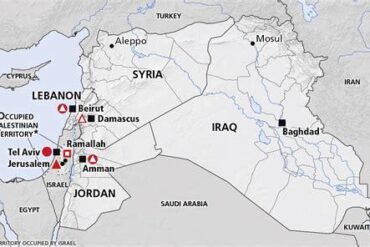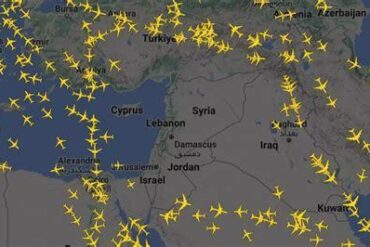
Recent geopolitical tensions in the Middle East have led to widespread flight cancellations and delays affecting multiple UAE-based airlines. The airspace closures over parts of the region, particularly in Iraq, Iran, Israel, and surrounding areas, have caused significant disruptions at major airports, including Dubai International Airport (DXB), Dubai World Central (DWC), and Abu Dhabi International Airport (AUH). Passengers traveling through these airports should be aware of the ongoing changes and monitor official updates from airlines and government sources.
Airline Cancellations and Suspensions
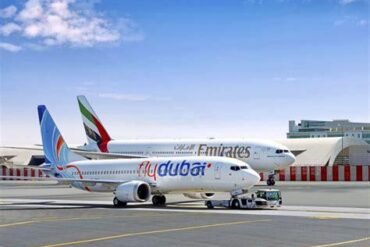
The escalating conflict in the Middle East has led to airspace restrictions, resulting in cancellations and rerouted flights for multiple airlines. Major carriers such as Emirates, Flydubai, Etihad Airways, and Air Arabia have been directly impacted by these disruptions. Here’s a breakdown of how each airline is handling the situation.
Emirates Airlines: Cancellations to Iraq, Iran, Jordan, and Lebanon
Emirates Airlines, based in Dubai, has suspended flights to several key Middle Eastern destinations due to ongoing airspace closures. Affected routes include:
- Jordan (Amman): Suspended until Sunday, June 22, 2025.
- Lebanon (Beirut): Suspended until Sunday, June 22, 2025.
- Iraq (Basra and Baghdad): Suspended until Monday, June 30, 2025.
- Iran (Tehran): Suspended until Monday, June 30, 2025.
Passengers with connecting flights through Dubai (DXB) to these destinations will not be allowed to board their flights. Emirates has advised affected passengers to reach out to travel agents or the airline’s local offices for rebooking options. The airline has expressed regret for the inconvenience caused and reassured passengers that safety remains its top priority. The airline continues to monitor developments and provides regular updates through its official website. Passengers are strongly encouraged to check the flight status on the Emirates website for the most accurate and up-to-date information.
Flydubai: Operations Affected by Regional Airspace Issues
Flydubai, another Dubai-based carrier, has also been impacted by the ongoing situation. The airline has temporarily suspended flights to the following destinations:
- Iran, Iraq, Israel, and Syria: Suspended until Friday, June 20, 2025.
- Jordan and Lebanon: Daytime flights resume on Tuesday, June 17, 2025, but nighttime flights remain suspended.
Flydubai is working to reinstate flights across its network where conditions permit. However, ongoing disruptions due to airspace congestion and safety concerns mean that passengers should expect delays, rerouting, or cancellations. The airline has advised travelers to check the status of their flights regularly on the Flydubai website and to ensure their contact details are up to date for the latest updates.
Etihad Airways: Cancellations to Israel and Rerouting Flights
Etihad Airways, based in Abu Dhabi, has canceled all flights to Tel Aviv, Israel, until June 22, 2025. The airline has also made significant changes to its flight operations, rerouting several flights due to airspace closures and regional tensions. Passengers whose flights have been canceled or affected by these changes are advised to contact Etihad for rebooking options. Etihad has emphasized that safety is its highest priority and is assisting affected travelers by offering alternative travel arrangements. Passengers should visit the Etihad Airways website for the latest information on flight statuses and potential disruptions.
Air Arabia: Suspension of Flights to Multiple Destinations
Air Arabia, operating out of Sharjah and Abu Dhabi airports, has suspended flights to Iran, Iraq, Lebanon, Jordan, and Russia. Flights to Iran and Iraq will remain suspended until June 30, 2025, while services to Lebanon and Jordan are suspended until June 16, 2025. Air Arabia has advised passengers connecting through Sharjah or Abu Dhabi to check the status of their flights, as the airline will not accept passengers for travel to these suspended destinations. The airline also announced that its sales offices in Iran have been temporarily closed due to the ongoing situation. Affected passengers are urged to contact the airline’s customer service for rebooking or refund options.
Travel Advisory from UAE Government
The UAE Ministry of Foreign Affairs (MoFA) has issued a travel advisory for all UAE nationals, residents, and visitors traveling through or to the affected regions. The advisory urges travelers to stay in contact with airlines directly for the latest flight updates and schedule changes. Additionally, UAE nationals traveling to these regions are advised to register with Twajudi, the government’s online platform that provides assistance to UAE citizens abroad during emergencies or crises. The Ministry of Foreign Affairs also recommends that passengers traveling to or from Dubai International Airport (DXB), Dubai World Central (DWC), or Abu Dhabi International Airport (AUH) remain flexible and check the latest updates with airlines and official sources. Travelers should expect delays and potentially longer waiting times due to the ongoing disruptions.
Impact at Dubai and Abu Dhabi Airports
Both Dubai International Airport (DXB) and Abu Dhabi International Airport (AUH) are experiencing delays and cancellations due to the closure of airspace over parts of the Middle East. Passengers are strongly advised to allow extra time for their journeys, as congestion and security measures may cause further delays at the airports. Dubai Airports has confirmed that both DXB and DWC are affected by the ongoing airspace restrictions. Travelers should check the Dubai Airports official website for real-time flight updates.
What Travelers Should Do
- Check Flight Status: Continuously monitor the status of your flight on the official airline websites. If you’re flying with Emirates, Flydubai, Etihad, or Air Arabia, be sure to check for real-time updates on cancellations or delays.
- Rebooking and Refunds: If your flight has been canceled, reach out to your airline or travel agent for rebooking or refund options. Airlines are offering alternative travel arrangements for affected passengers.
- Register with Twajudi: If you are a UAE national traveling abroad, register with Twajudi for assistance in case of emergencies.
- Plan for Delays: Given the ongoing disruptions, it’s advisable to allow extra time for your airport journey, especially if you are traveling through Dubai or Abu Dhabi airports.
Conclusion
The recent airspace closures have caused significant disruptions in air travel from the UAE, affecting multiple airlines, including Emirates, Flydubai, Etihad Airways, and Air Arabia. Passengers should stay informed and proactive by regularly checking with their airlines for updates and rebooking options. Given the fluid nature of the situation, flexibility is key for those traveling to or from the Middle East. For the latest updates, passengers should visit the official websites of the airlines, Dubai Airports, and the UAE Ministry of Foreign Affairs.