An increasing number of UAE residents are opting for travel insurance, often as a requirement for visa applications or simply for added peace of mind. Yet, many travelers are discovering that their coverage is not as comprehensive as they believed, especially when conflict enters the picture. Most standard policies exclude compensation for delays or cancellations caused by war, civil unrest, or government-imposed airspace closures. While insurance may reimburse a passenger for lost luggage or a missed connection, it typically offers no protection against incidents like missile attacks or airspace shutdowns unless the policy is a high-tier or specialized one.
Travelers caught in these circumstances are often left with no choice but to seek help from their airlines or consulates for rerouting or refunds. Standard insurance might still cover minor inconveniences—such as meals, local transport, or hotel stays—if delays surpass a certain threshold. But for those impacted by major geopolitical turmoil, that’s cold comfort.
The Distinction in Service: Traditional Agents vs. Online Platforms
Interestingly, while airlines have been responsive, some hotels and tour operators have gone above and beyond in accommodating affected travelers. Many are waiving rebooking charges and offering full refunds to ease the burden on those whose plans have been upended. However, travelers who booked their trips through online travel platforms often face frustrating delays and complicated refund processes. These situations can require repeated communication through emails or call centers, leading to a more stressful experience.
This ongoing situation has highlighted a significant distinction in service between traditional travel agents and online booking sites. In urgent situations, the difference can be more than just about convenience; it can significantly affect how quickly and effectively a traveler receives support.
Route Variability: Not All Flights Are Equal
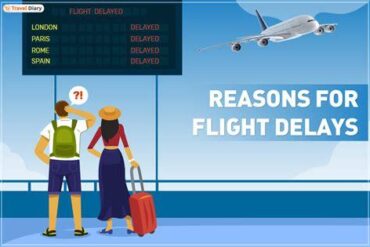
While the crisis has disrupted flights across Middle Eastern and European skies, not every region has been affected equally. Routes between the UAE and South Asia, especially destinations like India, are currently operating as normal. Most of the turbulence is seen on routes headed toward Europe, where delays have been frequent but usually short-term. Rather than cancelling trips outright, many Gulf travelers are choosing to postpone their holidays.
Some airlines have taken extraordinary steps by offering refunds even on non-refundable tickets, a rare gesture aimed at easing the burden on passengers during this volatile time. Such decisions are not standard across all carriers but reflect an understanding of the unique nature of the current global travel environment.
Crucial Guidelines for Travelers
For those navigating these unpredictable skies, a few crucial guidelines can help:
- If the airline cancels the flight, passengers are generally eligible for a full refund or the option to rebook at no extra cost.
- If the traveler chooses to cancel on their own, normal airline cancellation rules apply, and insurance likely won’t step in.
- Most travel insurance does not cover war-related disruptions. Only premium-tier policies may provide some protection.
- Routes to South Asia remain stable, while European destinations are experiencing only temporary disruptions.
- Booking through travel agents can provide faster and more personalized help, especially in a crisis. Online platforms may involve longer and more complex refund procedures.
Navigating the Road Ahead
As the crisis continues to unfold into its second week, both travelers and the aviation industry are being forced to adapt quickly. For travelers from the UAE and elsewhere, staying informed and flexible is more important than ever. Monitoring airline advisories, checking updates from local embassies, and being prepared to make last-minute changes are now essential parts of any travel plan. In an era where a diplomatic shift can change flight plans overnight, resilience and readiness are becoming as important as a passport.
Whether traveling for leisure, business, or family reasons, the ability to adjust quickly may be the difference between a ruined trip and a safe journey. As the situation evolves, travelers must remain vigilant and proactive, ensuring they are equipped to handle whatever challenges may arise in these turbulent times.