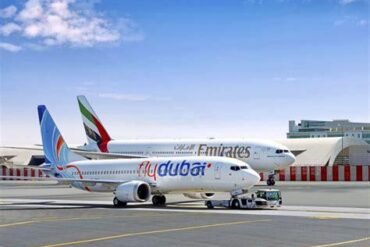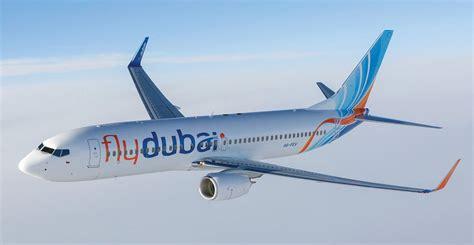
flydubai, a Dubai-based carrier, has emerged as a pivotal player in the low-cost aviation market since its inception in 2009. With a robust network spanning over 90 destinations across 44 countries, flydubai serves a variety of short to medium-haul routes, providing over 1,700 weekly flights. The airline’s strategic positioning and consistent operational output from its hub at Dubai International Airport (DXB) have helped it maintain a solid presence in the Middle East, Eastern Europe, and Asia.
flydubai’s Fleet and Onboard Services
The airline operates a modern fleet of 58 Boeing 737-800 Next-Generation aircraft, with a considerable order book of over 100 Boeing aircraft, highlighting its long-term ambitions for expansion and renewal. This fleet supports a dual-class configuration—Business and Economy, catering to both budget-conscious travelers and premium clients.
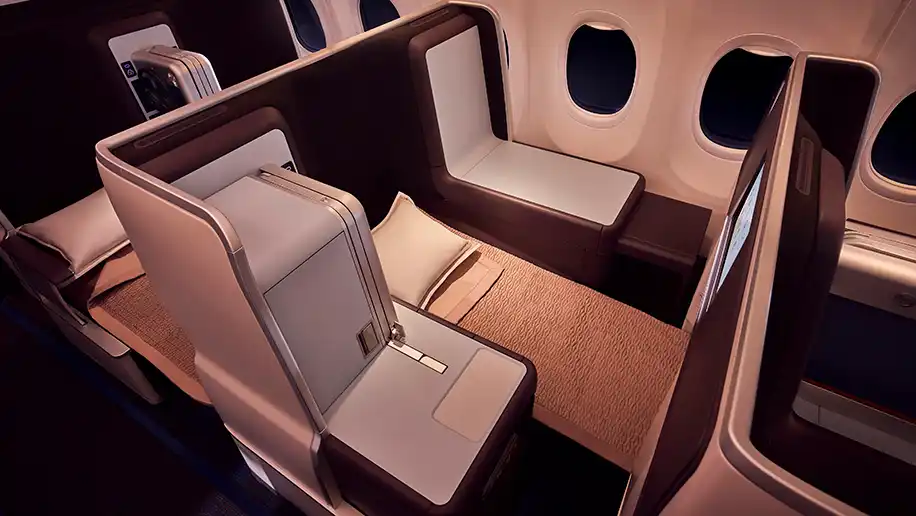
In Business Class, passengers enjoy access to exclusive business lounges, priority check-in, fast-track security lanes, and complimentary meals and beverages. The cabin is designed for comfort with reclining leather seats and personalized service. Meanwhile, Economy Class travelers benefit from a cost-effective service with purchasable food and drink options. Seat comfort is standard, and in-flight entertainment may vary depending on the aircraft configuration.
Mixed Reviews: A Reputation of Contrasts
With over 8,100 passenger reviews, flydubai holds an average rating of 3.0 out of 5, suggesting a highly polarized customer experience. Here’s a closer look at the review breakdown:
- Excellent: 2,327
- Good: 1,740
- Average: 909
- Poor: 681
- Terrible: 2,446
This disparity reflects inconsistencies in service quality, ground staff interactions, and onboard comfort, often highlighted in both praise and criticism.
Positive Passenger Experiences
Among the positive reviews, many travelers underscore the value for money, on-time performance, and courteous onboard crew. One reviewer flying from Beirut to Dubai praised the “smooth flight” and “considerate hosts,” emphasizing good food, special meal options, and overall friendly service.
Another passenger from Milan to Dubai in Business Class expressed satisfaction with the lie-flat seat, attentive crew, and premium meal and drink selection, including champagne and red wine. The onboard atmosphere enabled a restful night’s sleep, highlighting that flydubai’s Business Class offering on select routes rivals that of full-service carriers.
Negative Encounters: Operational Rigidities and Comfort Issues
However, not all passengers share this enthusiasm. Numerous reviews cite customer service shortcomings, strict baggage policies, and minimal in-flight amenities, particularly in Economy.
One passenger flying from Dubai to Kathmandu recounted being forced to pay extra for hand luggage after check-in, likening the policy to an ambush tactic. Similarly, a traveler on the Dubai–Riyadh route described flydubai as “merciless,” after being denied boarding due to timing discrepancies, despite having no checked baggage.
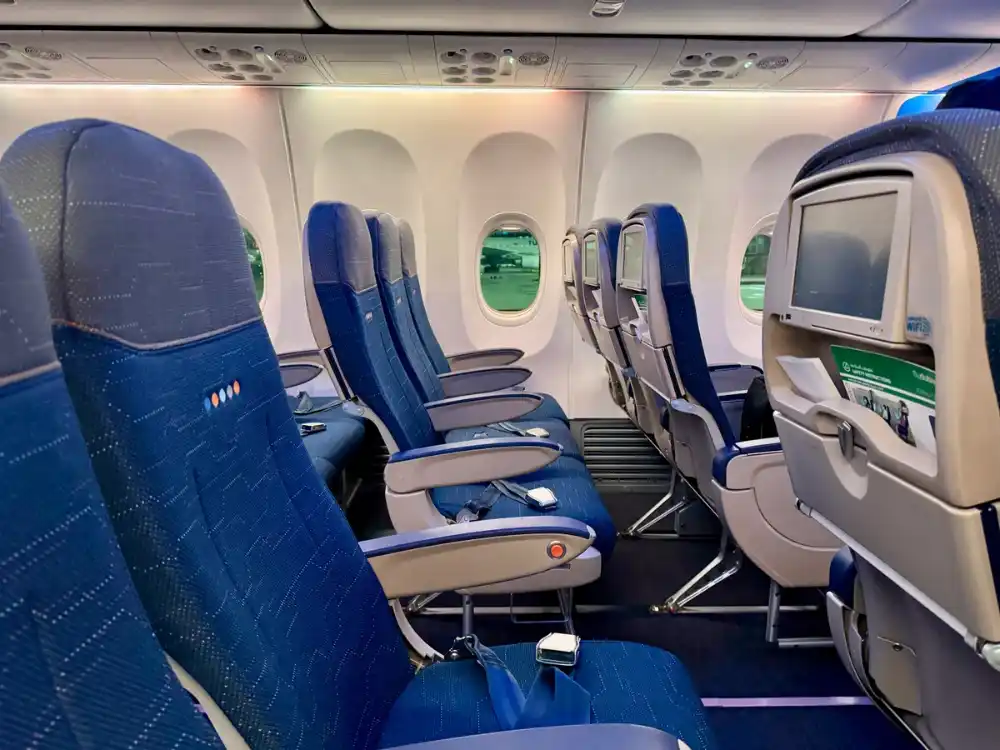
The absence of seat-back screens, basic meal offerings, and uncomfortable seats have also been repeatedly flagged. An Economy Class passenger traveling from Islamabad to Dubai noted a complete lack of in-flight entertainment and an underwhelming meal service, describing it as “pathetic.”
Inconsistency in Service Across Routes
It’s evident that flydubai’s service quality fluctuates significantly depending on the route, aircraft, and ticket class. On certain international long-haul segments, such as Milan or Budapest, passengers often report higher satisfaction, possibly due to better aircraft configurations or upgraded amenities. Conversely, short-haul or regional flights frequently receive criticism for their bare-bones offerings and limited flexibility.
This duality is particularly stark when comparing reviews of Business Class and Economy. While premium customers cite relaxation, privacy, and culinary excellence, Economy passengers often feel underserviced, with minimal entertainment, tight seat pitch, and rigid baggage enforcement.
flydubai’s Terms and Conditions: A Sticking Point
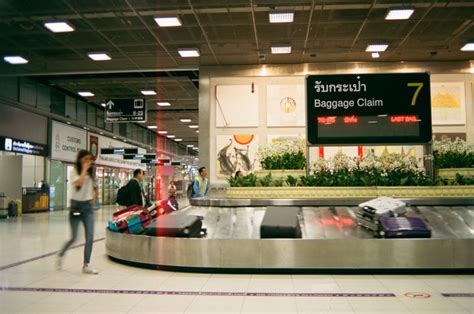
A recurring issue in customer feedback is flydubai’s terms and conditions, particularly regarding baggage liability and refund policies. One reviewer described how the airline refused to compensate for a damaged suitcase, citing contractual limitations. This has sparked frustration among travelers who believe the airline’s approach lacks empathy and accountability.
Passengers are advised to read all terms carefully, especially concerning:
- Check-in timing (typically 3 hours before departure)
- Cabin baggage weight limits
- Refund eligibility and penalties
- Damage claims and lost property handling
These policies are strictly enforced, and the airline’s refusal to accommodate exceptions has contributed to its divisive reputation.
Booking Experience and Airport Process
Booking with flydubai is generally a straightforward online process, with options for seat selection, extra baggage, and meal pre-ordering. Online check-in is available, and some passengers report efficient airport experiences with quick check-in, fast boarding, and organized departure gates, particularly at DXB Terminal 2 and 3.
At the airport, Business Class passengers enjoy dedicated check-in counters and priority boarding, while Economy travelers face longer queues and limited lounge access unless purchased separately. The boarding process is generally punctual, although reports of delays and gate changes are not uncommon.
In-flight Amenities and Entertainment
flydubai’s aircraft offer varying levels of in-flight entertainment (IFE). Some newer 737 MAX aircraft feature personal screens with a broad selection of films and music, while older planes may not have seat-back screens at all. In such cases, Wi-Fi access or streaming entertainment may be available, but this often requires an additional fee.
Complimentary amenities like blankets and pillows are typically not provided in Economy, and must be purchased separately. Many passengers found this inconvenient, especially on longer flights, expecting more for the price paid.
Is flydubai Worth It?
The value proposition of flydubai lies in its affordable fares, extensive route network, and operational efficiency. It’s particularly attractive to travelers seeking direct flights from Dubai to niche or underserved destinations, such as Tbilisi, Krakow, or Kathmandu.
However, the carrier’s rigid policies, inconsistent service levels, and basic onboard offerings can be deal-breakers for some. For Business Class travelers, the airline delivers an experience that is comfortable, efficient, and often luxurious, but those flying Economy should temper expectations and prepare for add-on costs.
Conclusion: A Mixed Bag of Budget and Premium
flydubai occupies a unique space between budget and hybrid carriers. For short regional hops, its no-frills model may suffice, but on longer flights or with tight schedules, the lack of flexibility and comfort can be frustrating. Business Class consistently earns praise for service quality, making it a solid premium option within the Middle East and Europe.
Ultimately, flydubai is best suited for travelers who:
- Prioritize direct routes and budget pricing
- Are willing to pay extra for comfort or baggage
- Understand and plan around the airline’s strict policies
For others expecting full-service amenities or highly responsive customer service, the experience may fall short.
As flydubai continues to expand its fleet and optimize routes, its challenge will be to enhance consistency across service classes and rebuild trust among passengers who feel let down by inflexible rules and uneven experiences.