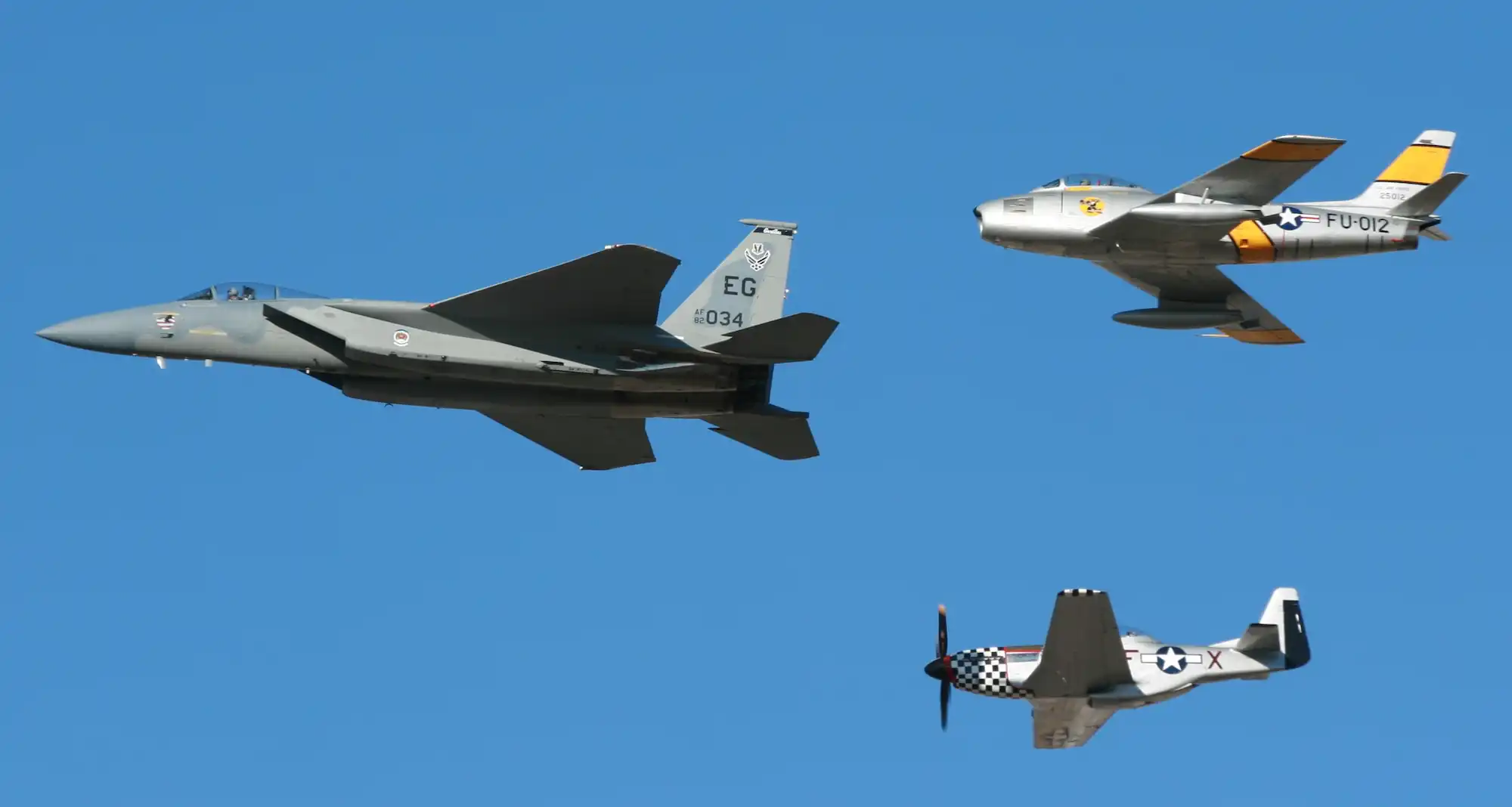
The F-15 demo team legacy is etched into the history of the United States Air Force, captivating audiences with breathtaking maneuvers and unrivaled aerial precision. These demonstration teams not only showcased the technological prowess of the F-15 family but also reinforced national pride and inspired generations of aviation enthusiasts. This article provides an in-depth exploration of the historical evolution, iconic performances, and the strategic influences that have shaped these celebrated teams. It further examines the current landscape and speculates on the potential return of these legendary demonstration units.
Historical Evolution of the F-15 Demo Teams
The inception of the F-15 demo team dates back several decades when the U.S. Air Force recognized the value of dynamic public outreach through live aerial displays. The rich history of these teams is highlighted by three key units, each with its own unique legacy and contribution to aerial demonstrations.

F-15 Eagle East Coast Demo Team
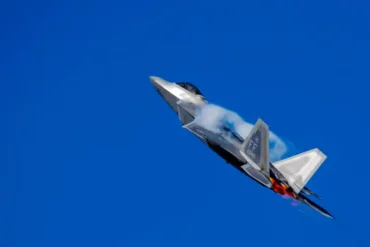
Established in 1978, the F-15 Eagle East Coast Demo Team was based at Langley Air Force Base in Virginia. Over a span of 27 years, this team mesmerized audiences with precision formations and daring aerial maneuvers. The East Coast team was instrumental in demonstrating the exceptional capabilities of the F-15 aircraft, and its transition in 2006 to the F-22 Raptor Demonstration Team marked a significant milestone in the evolution of U.S. Air Force aerial shows.
F-15 Eagle West Coast Demo Team
Formed in 1983, the F-15 Eagle West Coast Demo Team initially called Holloman AFB in New Mexico home before relocating to Eglin AFB in Florida. For 26 years, the West Coast team became synonymous with innovation and high-octane performance, leaving an indelible mark on airshow circuits. Their legacy culminated in 2009, when the team concluded its final performances, signaling the end of an era for the F-15 demonstration legacy on the West Coast.
F-15E Strike Eagle Demo Team
In 2006, the introduction of the F-15E Strike Eagle Demo Team heralded a new chapter in tactical and performance excellence. Stationed at Seymour Johnson AFB in North Carolina, this team was known for its aggressive demonstration routines that emphasized the F-15E’s dual-role capability. However, the team’s operational lifespan was curtailed in 2011 due to strategic budget reallocations aimed at enhancing combat readiness training.
The following table provides a concise comparison of these pioneering teams:
| Team Name | Years Active | Base | Transition/Disbandment |
|---|---|---|---|
| F-15 Eagle East Coast Demo Team | 1978 – 2006 | Langley AFB, Virginia | Transitioned to F-22 Raptor Demonstration Team in 2006 |
| F-15 Eagle West Coast Demo Team | 1983 – 2009 | Holloman AFB / Eglin AFB, Florida | Concluded its performances in 2009 |
| F-15E Strike Eagle Demo Team | 2006 – 2011 | Seymour Johnson AFB, North Carolina | Disbanded in 2011 due to budget cuts |
Iconic Moments in F-15 Demonstrations
The legacy of the F-15 demo team is replete with awe-inspiring displays that captivated millions. Each performance was not merely an exhibition of aerial acrobatics, but a meticulously choreographed showcase of the F-15’s advanced technology and tactical superiority. Spectators witnessed the aircraft executing steep climbs, razor-sharp turns, and synchronized formations that spoke to decades of engineering excellence and pilot expertise.
The teams were revered for pushing the limits of precision in the skies. From high-speed passes that blurred the line between reality and spectacle to complex formation flights that required unparalleled coordination, these demonstrations left an enduring impression on both civilian audiences and military personnel alike. Each maneuver was a testament to the robust design and versatility of the F-15 platform, reflecting the spirit of innovation that defines modern aerial combat and public engagement.
The Unrivaled Precision of the F-15 Aircraft
At the core of these demonstration teams lay the F-15 aircraft—a marvel of aeronautical engineering renowned for its speed, agility, and advanced avionics. The F-15 was designed to dominate in air superiority missions, and its capabilities translated seamlessly into the performance arena. The aircraft’s ability to sustain high-G maneuvers, coupled with its advanced radar and weapon systems, set it apart from contemporaries and made it a favorite in demonstration routines.
The F-15E demo team in particular showcased the multi-role flexibility of the F-15E Strike Eagle variant. Its design enhancements allowed for superior ground-attack capabilities without compromising the performance in air-to-air combat. This blend of versatility and power made the F-15 a true icon in both combat and showmanship, reinforcing its reputation as one of the most formidable fighter jets in military history.
Current Landscape and the Future of F-15 Demonstrations
Despite the storied past of the F-15 demo team, the current operational landscape of the U.S. Air Force no longer includes an official demonstration team for the F-15. In recent years, the focus has shifted towards newer, advanced aircraft like the F-22 Raptor and F-35 Lightning II, which now dominate the skies during public events and airshows.
Nevertheless, the legacy of the F-15 continues to influence modern aerial demonstrations. Boeing has actively promoted the F-15 through targeted demonstrations, particularly highlighting the advanced capabilities of the F-15EX variant. These promotional efforts underscore the enduring appeal of the F-15’s design and its potential to captivate audiences once again. While discussions and speculative conversations about the return of an official F-15 demo team persist, no formal plans have been confirmed by the U.S. Air Force.
Impact on Public Perception and Airshow Dynamics
The influence of the F-15 demo team extends far beyond the confines of military exhibitions. Their performances played a pivotal role in shaping public perception of the U.S. Air Force. By delivering high-energy displays that combined technical mastery with visual spectacle, these teams not only elevated the standards of airshows but also served as a powerful recruitment tool.
Audiences from all walks of life were drawn to the raw power and grace of the F-15. The demonstration teams fostered a sense of national pride and showcased the dedication and skill of the pilots who flew these engineering marvels. The high-profile nature of these events also provided invaluable exposure for the technological advancements and combat-readiness of U.S. military aviation, solidifying the F-15’s position as a symbol of American air superiority.
Strategic Budgeting and Its Influence on Demo Team Evolution
The evolution of the F-15E demo team was not solely dictated by public enthusiasm but was also a product of strategic fiscal decisions. The eventual disbandment of the F-15E Strike Eagle Demo Team in 2011 was driven by a broader effort to reallocate resources towards combat readiness and modernized training initiatives. This shift in budgeting priorities reflected the dynamic nature of military operations, where operational efficiency and readiness often take precedence over ceremonial displays.
While budget constraints led to the retirement of these iconic teams, the legacy they left behind continues to inform modern strategic decisions in military aviation. The evolution of demonstration teams from the F-15 to more advanced platforms like the F-22 and F-35 underscores the military’s commitment to innovation and operational superiority, ensuring that public outreach efforts remain aligned with contemporary defense priorities.
Comparative Analysis: F-15 Demo Team vs. Modern Aerial Demonstrators
In the era of advanced stealth and sensor fusion, modern demonstration teams such as the F-22 Raptor and F-35 Lightning II have set new benchmarks in aerial performance. However, the F-15 demo team remains an unparalleled standard-bearer for traditional fighter demonstrations. The F-15’s design emphasizes raw power and agility, traits that are both timeless and essential in an era defined by rapid technological evolution.
While modern teams benefit from cutting-edge technology and enhanced stealth capabilities, the F-15’s robust design and proven combat record continue to evoke admiration and respect. This comparative analysis not only highlights the technological progression within military aviation but also reaffirms the enduring legacy of the F-15 as a symbol of aerial excellence.
Future Prospects and Speculations on the Return of the F-15 Demo Team
Discussions regarding the revival of an official F-15 demo team have surfaced intermittently among aviation experts and enthusiasts. The potential return of such a team is often seen as a strategic move that could leverage the advanced features of newer F-15 variants, such as the F-15EX. Enthusiasts argue that reinstating an F-15 demo team would not only celebrate the storied history of the aircraft but also provide a fresh platform to showcase its modernized capabilities.
While the U.S. Air Force has not officially announced any plans for a comeback, the strategic benefits of such a move remain a topic of keen interest. A renewed focus on the F-15 could reinvigorate public engagement and broaden the scope of aerial demonstrations, blending historical prestige with contemporary technological advancements. This potential evolution may ultimately pave the way for a new chapter in the legacy of the F-15, ensuring that its remarkable contributions to aerial performance are not relegated to history.
Conclusion: A Timeless Legacy in the Skies
The F-15 demo team and the F-15E demo team have long been synonymous with excellence, precision, and innovation. Their legacy is a compelling narrative of how advanced engineering, skillful piloting, and strategic public outreach can coalesce into unforgettable performances that resonate with audiences around the globe. From the early days at Langley AFB and Holloman AFB to the tactical brilliance showcased at Seymour Johnson AFB, these teams have played a pivotal role in defining the standards of aerial demonstrations.
Although the official demonstration units have been phased out, the spirit of the F-15 endures through ongoing promotional efforts and speculative discussions about its potential revival. The evolution from the F-15 demo teams to modern aerial powerhouses such as the F-22 and F-35 highlights a continuous drive for excellence—a drive that remains at the heart of U.S. military aviation.
The timeless appeal of the F-15 lies not only in its technological superiority but also in its ability to inspire awe and ignite passion among aviation enthusiasts. As discussions about its potential return continue, one thing remains clear: the legacy of the F-15 demo team is far from over. It stands as a testament to the enduring spirit of innovation and the relentless pursuit of excellence in the skies.
In a world where advanced technologies continually redefine the parameters of aerial performance, the F-15’s storied past serves as a beacon of what is possible when passion, precision, and power converge. The influence of these demonstration teams is immortalized in every maneuver executed and every eye that followed their flight—a legacy that continues to soar high, inspiring future generations to push the boundaries of what is achievable in military aviation.
The historical significance and future potential of the F-15 demo team and F-15E demo team are intertwined with the broader narrative of U.S. Air Force innovation. Their stories remind us that excellence in the skies is not merely a matter of technology or tactics, but of heart, dedication, and an unwavering commitment to performance. As the dialogue around their possible resurgence grows, the legacy of the F-15 remains a powerful symbol of the air power and ingenuity that continue to define American military aviation.