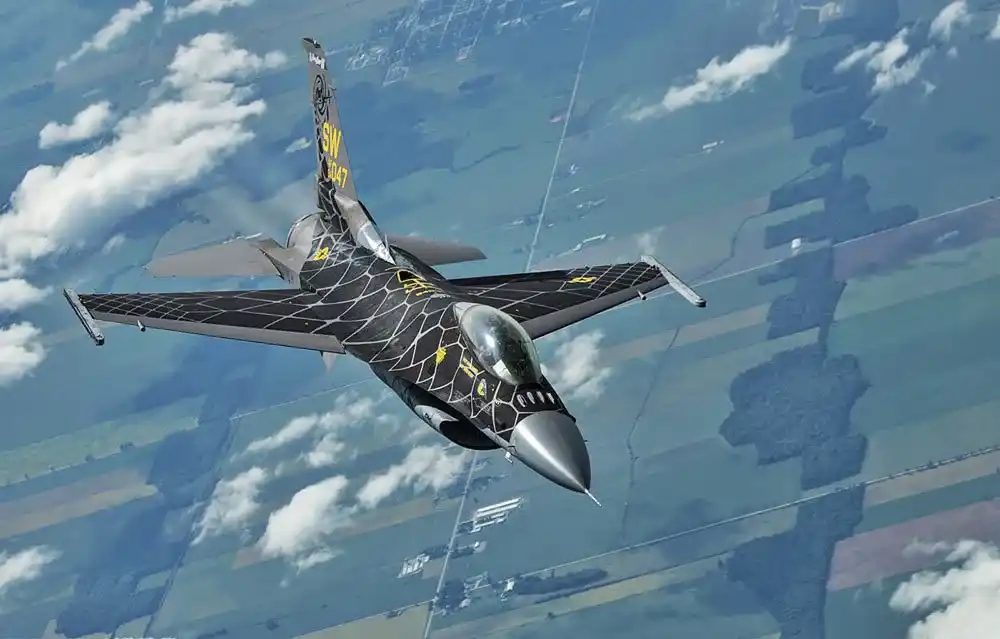
The F-16 Viper Demo Team stands as an unrivaled icon in the realm of aerial demonstration teams, captivating audiences around the globe with its extraordinary precision, breathtaking maneuvers, and deep-rooted commitment to excellence. This elite unit, formed under the banner of the United States Air Force, not only showcases the raw power and agility of the F-16 fighter aircraft but also inspires countless aviation enthusiasts and future aviators through its high-caliber performances and historic milestones.
A Rich Heritage and a Clear Mission
The F-16 Viper Demo Team carries a legacy that goes beyond high-speed aerobatics. The team’s core mission is to demonstrate the unparalleled maneuverability and combat readiness of the F-16 aircraft. Over a global circuit that spans approximately 20 venues annually, the team meticulously performs a series of high-risk, high-precision maneuvers—including low-altitude high-speed passes and steep-angle climbs—that underline both the aircraft’s inherent capabilities and the exceptional skill of its pilots.
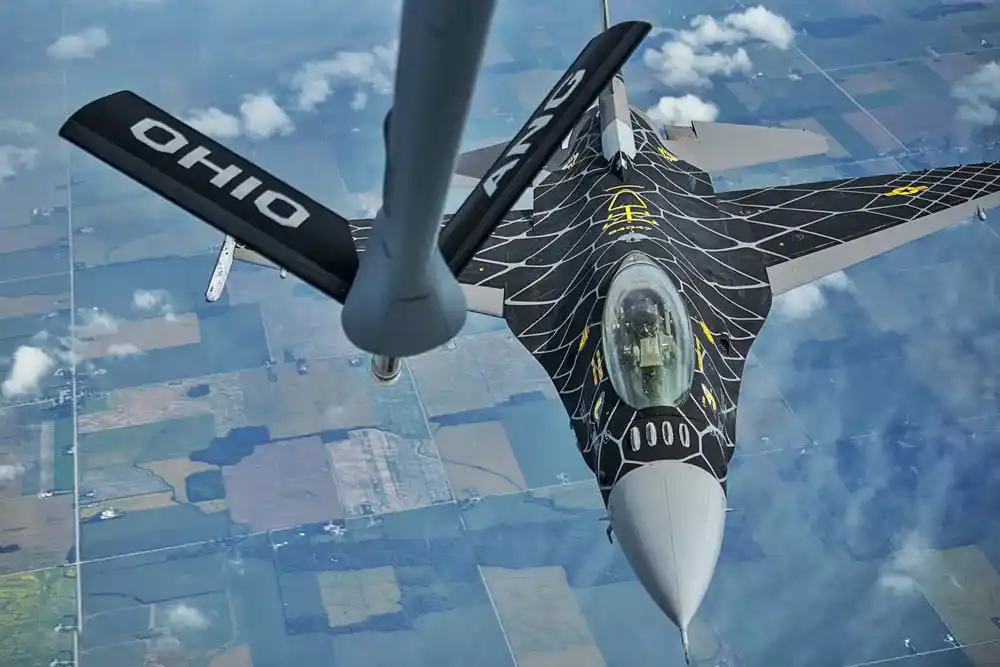
Every performance is a fusion of technical expertise and artistic flair, designed not only to entertain but also to educate the public about modern air combat technology and the vital role of military aviation. This mission of public engagement and recruitment plays a pivotal role in maintaining the enduring allure of the U.S. Air Force while igniting passion in the next generation of aviators.
The Evolution of an Iconic Demonstration Team
Since its inception, the F-16 Viper Demo Team has evolved into a symbol of American aviation prowess. Originating from a rich history of combat operations and technological advancements, the team has continually adapted to incorporate the latest in aviation technology, all while preserving the classic attributes that define the F-16’s combat legacy.
The team’s dedication to showcasing the F-16’s capabilities has seen it perform across diverse geographical landscapes, from vast deserts to bustling urban airspaces, each performance tailored to highlight the fighter’s adaptability in various operational environments. This dynamic approach not only reinforces the aircraft’s reputation as a multi-role combat machine but also ensures that every demonstration resonates with audiences, whether they are military professionals or civilian spectators.
F-16C Block 50: The Power Behind the Performance
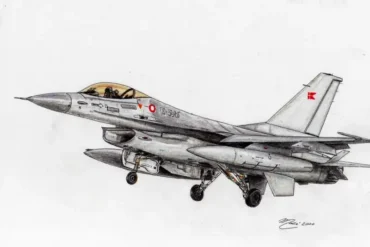
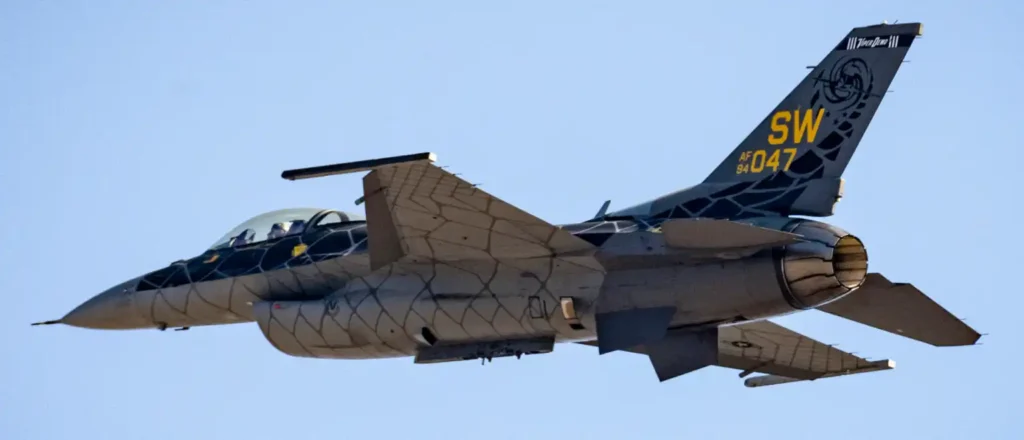
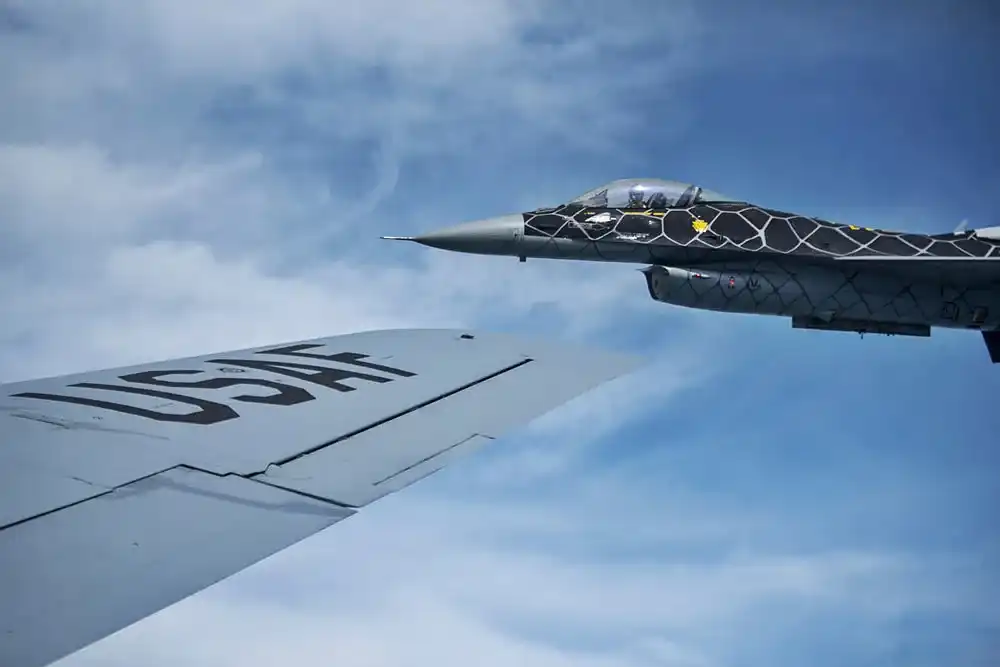
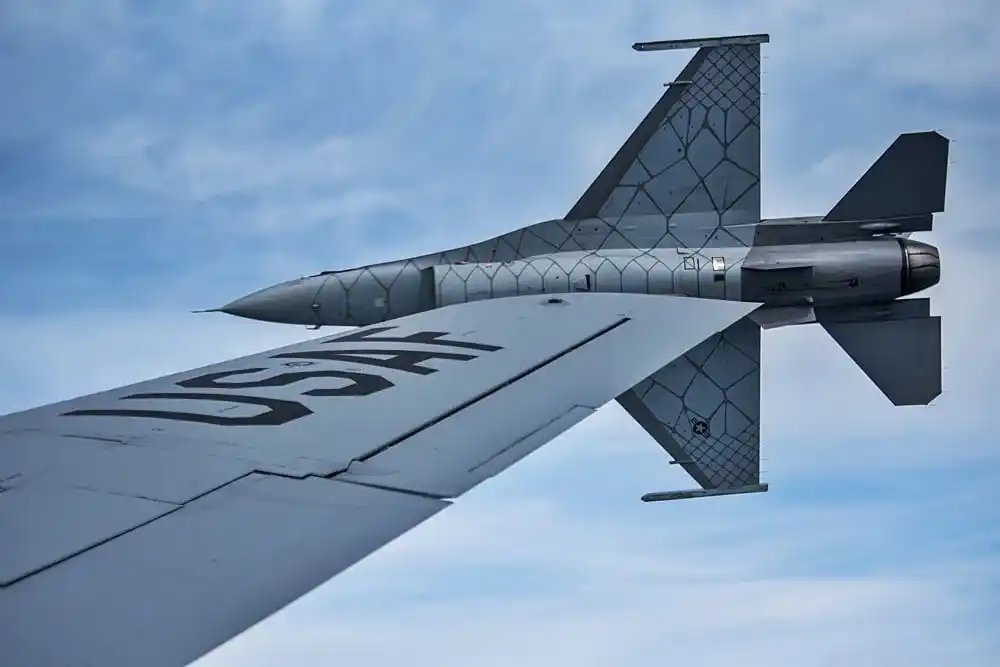
Central to the F-16 Viper Demo Team’s stunning displays is the F-16C Block 50 aircraft—a model revered for its blend of agility, speed, and combat efficiency. Although these aircraft have been modified to meet the rigorous demands of aerobatic performance, they remain true to their original design principles, relying on the intrinsic power and engineering excellence that has made the F-16 a staple in modern air combat.
While many military units have transitioned to the enhanced F-16V variant—equipped with the state-of-the-art AN/APG-83 active electronically scanned array (AESA) radar and modernized avionics—the demo team continues to operate with the proven and time-honored F-16C Block 50 configuration. This decision underlines a critical point: the F-16 Viper Demo Team showcases the sheer prowess of the aircraft based solely on pilot skill and the raw performance capabilities embedded in its original design.
Unparalleled Aerobatic Capabilities and Maneuvering Mastery
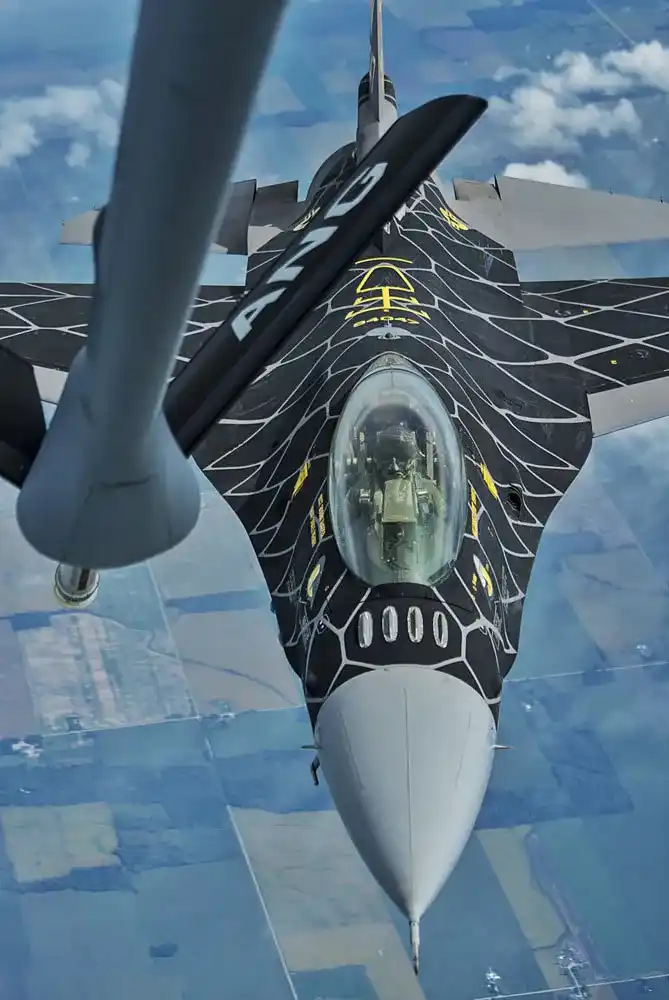
In every display, the F-16 Viper Demo Team transforms the sky into a canvas of high-velocity artistry. The aircraft’s agility is on full display during maneuvers such as low-altitude high-speed passes, steep climbs, and abrupt directional changes that leave spectators in awe. These high-risk, precision-driven maneuvers require not only advanced aircraft design but also the unparalleled skill and nerve of the team’s pilots.
The team’s ability to execute these maneuvers flawlessly is a testament to the F-16’s engineering excellence. Each performance highlights the fighter’s ability to handle extreme aerodynamic conditions while maintaining a level of control and responsiveness that is unmatched in the modern era of military aviation. The visual spectacle is further enhanced by carefully orchestrated sound and lighting effects, creating an immersive experience that underscores the aircraft’s combat potential.
Historic Milestones and Notable Incidents
The journey of the F-16 Viper Demo Team has not been without challenges. One of the most significant events in its history occurred during the 2019 Royal International Air Tattoo (RIAT) performance. An incident involving an F-16C Block 50, identified by tail number 96-0080, resulted in a dramatic emergency landing following a structural failure of the tail section. The incident, attributed to factors such as material aging and high operational stress, served as a stark reminder of the importance of rigorous maintenance protocols and the inherent risks associated with operating older aircraft.
Despite the challenges, the incident catalyzed crucial discussions regarding the maintenance, upgrade cycles, and safety protocols of the F-16 fleet. Media reports initially misidentified the aircraft as an F-16V, a mistake that only underscored the difference between upgraded platforms and the enduring legacy of the F-16C Block 50. This pivotal moment not only reinforced the importance of safety in aerobatic performances but also highlighted the continuous evolution in military aviation standards, prompting enhanced scrutiny and modernization initiatives across the board.
Breaking Barriers: The Rise of a Pioneering Female Aviator
In a historic milestone that redefined the landscape of military aviation, Captain Zoe “SiS” Kotnik emerged as the first female pilot to join the ranks of the F-16 Viper Demo Team. With over 1,000 flight hours to her name, Captain Kotnik broke through longstanding gender barriers, setting a new precedent for excellence and inclusion within the Air Force’s aerobatic circles. Her presence on the team symbolizes the progressive transformation of military aviation and serves as a powerful motivator for young women aspiring to enter the field.
Captain Kotnik’s groundbreaking achievements have resonated across military and civilian spheres alike, reinforcing the message that talent, dedication, and skill transcend traditional gender roles. Her participation not only enhances the team’s dynamic but also fortifies the broader narrative of diversity and inclusion in high-stakes, high-performance environments. Her career is a beacon of inspiration, encouraging a new generation of pilots—both male and female—to pursue excellence in military aviation with unwavering determination.
Public Impact and the Strategic Military Narrative
The F-16 Viper Demo Team occupies a unique position as both a symbol of aerial prowess and a crucial element of the U.S. Air Force’s public relations strategy. Through dynamic performances and high-profile public engagements, the team plays an instrumental role in shaping public perception and reinforcing the image of a modern, capable air force.
By showcasing the F-16’s combat potential and versatile operational capabilities, the team indirectly bolsters the confidence of allied nations. For instance, nations such as Bulgaria, which have incorporated F-16s into their military arsenal to replace older Soviet-era aircraft like the MiG series, find reassurance in the technological and operational excellence demonstrated by the team. Such international confidence is paramount in a landscape where aerial superiority and technological innovation remain key strategic assets.
Moreover, the team’s performances are not just displays of mechanical and human precision; they serve as a powerful recruitment tool. Every show is an opportunity to inspire young minds, offering a visceral glimpse into the excitement and challenges of military aviation. The blend of sophisticated aerial maneuvers and robust public engagement ensures that the legacy of the F-16 Viper Demo Team endures, continuing to influence perceptions and inspire aspirations.
International Collaborations and Global Influence
The global reach of the F-16 Viper Demo Team is further exemplified through its international collaborations. Notably, the team has deep ties with allied forces, such as the United States Air Force’s 31st Fighter Wing, which has historically provided crucial support in training F-16 pilots for nations like Bulgaria. This symbiotic relationship highlights the shared commitment to excellence and interoperability among allied military forces, enhancing the overall effectiveness of international air power.
These partnerships underscore the broader strategic narrative of American military aviation, where cutting-edge technology and pilot proficiency are leveraged to maintain global stability and foster mutual defense initiatives. The collaborative training and joint operational experiences not only elevate the standards of aerobatic performance but also ensure that the legacy of the F-16 Viper Demo Team contributes to a more cohesive and capable international defense framework.
A Tribute to Innovation: The 50th Anniversary Paint Scheme
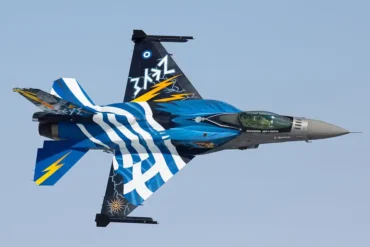
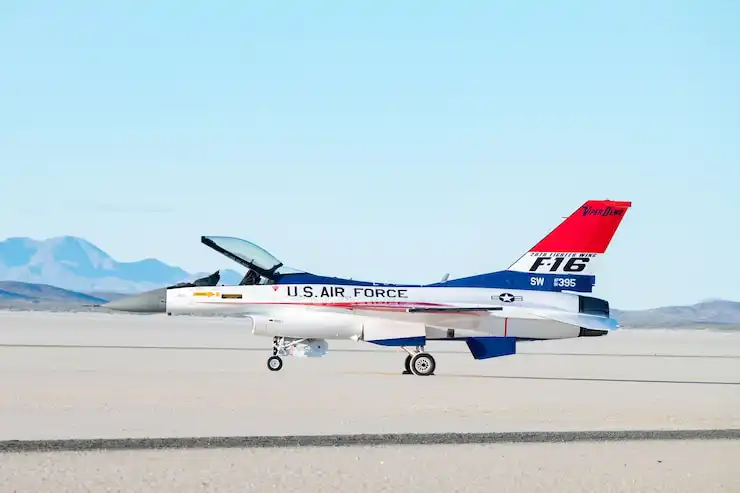
In 2024, a significant chapter was added to the team’s storied history with the unveiling of a special 50th Anniversary Paint Scheme. This commemorative livery, inspired by the original YF-16 prototype’s iconic red, white, and blue colors, symbolizes both tradition and innovation. It is a visual tribute to the enduring legacy of the F-16 while also celebrating decades of continuous improvement and adaptation.

The anniversary paint scheme has resonated deeply with both enthusiasts and military professionals, serving as a tangible reminder of the aircraft’s storied past and its ever-evolving future. The design not only enhances the aesthetic appeal of the aircraft during performances but also encapsulates the spirit of innovation that has defined the F-16 Viper Demo Team since its inception.
The Technology Behind the Brilliance
While the F-16 Viper Demo Team is renowned for its spectacular aerial maneuvers, the technology powering the F-16C Block 50 is equally impressive. The fighter’s design is a masterclass in aerodynamic efficiency and combat readiness. With a lightweight airframe, advanced control systems, and robust engine performance, the F-16 offers a unique combination of speed, agility, and resilience.
The decision to maintain the traditional F-16 configuration—rather than upgrading to the F-16V with its AESA radar and modernized avionics—underscores the team’s reliance on pilot expertise and the inherent capabilities of the original design. This approach emphasizes the human element in aerial combat and reinforces the notion that superior performance is as much a product of skill and strategy as it is of technological innovation.
Precision, Performance, and Public Engagement
Every performance by the F-16 Viper Demo Team is a meticulously choreographed demonstration of precision and power. The team’s routines are designed to push both the aircraft and its pilots to their absolute limits, resulting in breathtaking displays that leave spectators on the edge of their seats. The incorporation of synchronized sound and light effects further elevates the experience, transforming each air show into a multi-sensory celebration of military aviation.
This blend of technical prowess and creative spectacle has made the team a favorite among air show aficionados and a powerful instrument for public diplomacy. By presenting the F-16 in its purest form—relying solely on the original engineering brilliance and the extraordinary skills of its pilots—the F-16 Viper Demo Team continues to captivate audiences and set the benchmark for aerial demonstration teams worldwide.
Challenges and the Road Ahead
Operating an aerobatic team of this caliber is not without its challenges. The inherent risks associated with high-speed, high-stress maneuvers require constant vigilance in terms of maintenance, safety protocols, and pilot training. The 2019 incident at RIAT served as a sobering reminder of the importance of meticulous upkeep and operational discipline. Such challenges drive ongoing innovations in safety practices and technological upgrades, ensuring that each performance is executed with the highest standards of excellence.
Looking ahead, the F-16 Viper Demo Team is poised to continue its legacy of excellence. With plans for further refinements in performance techniques, enhanced pilot training regimens, and potential upgrades that could blend traditional configurations with selective modern enhancements, the team remains at the forefront of military aerobatics. Each new performance is a testament to decades of accumulated expertise, a blend of tradition and innovation that keeps the spirit of the F-16 alive.
Celebrating a Legacy of Excellence
The F-16 Viper Demo Team is more than just a collection of high-flying maneuvers—it is a celebration of military history, technological innovation, and human determination. Its performances encapsulate the evolution of modern aerial combat, while its ongoing commitment to safety, innovation, and public engagement ensures that its legacy will endure for generations.
By merging cutting-edge technology with exceptional pilot skill and a deep understanding of aerodynamic principles, the team has created a performance art form that transcends conventional air shows. It stands as a beacon of what is possible when engineering excellence and human ingenuity combine in pursuit of a common goal: to inspire, educate, and push the boundaries of what is achievable in the skies.
A Symbol of National Pride and Global Influence
The impact of the F-16 Viper Demo Team extends far beyond the confines of the airshow circuit. It is a potent symbol of national pride, a dynamic ambassador for the U.S. Air Force, and a critical element in shaping global perceptions of American military capability. In an era where technology and innovation dictate the parameters of power, the team’s ability to consistently perform at the highest level reaffirms the United States’ leadership in aerial warfare and defense strategy.
International partnerships and collaborative training initiatives further enhance the team’s influence on the global stage. As nations seek to modernize their own air forces and improve interoperability with allied forces, the techniques and standards set by the F-16 Viper Demo Team provide a valuable benchmark. This global influence is a testament to the team’s unwavering commitment to excellence, making it a cornerstone of modern military aviation.
Conclusion: A Legacy Written in the Skies
The story of the F-16 Viper Demo Team is a rich tapestry of innovation, courage, and precision. From its origins in the hallowed halls of the United States Air Force to its international acclaim at air shows and training events around the world, the team embodies the spirit of modern military aviation. Each maneuver, each performance, and each historic milestone reinforces the enduring power of the F-16 as a symbol of combat excellence and technological prowess.
With its storied history, groundbreaking achievements, and ongoing commitment to public engagement and safety, the F-16 Viper Demo Team continues to soar to new heights. Its legacy is etched into every high-speed pass and every daring aerial maneuver, serving as a vivid reminder that the pursuit of excellence is an ever-evolving journey. As the team embraces both tradition and innovation, its story will undoubtedly continue to inspire and captivate audiences for many years to come.
In a world where the skies are the final frontier of technological mastery and human ingenuity, the F-16 Viper Demo Team stands as a true paragon of aerial artistry and combat readiness—a living, breathing testament to what can be achieved when passion, precision, and innovation converge in perfect harmony.