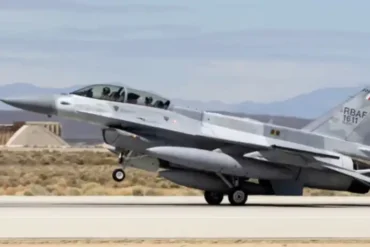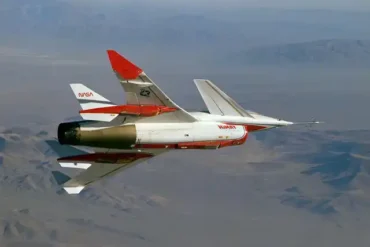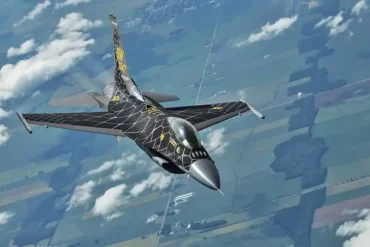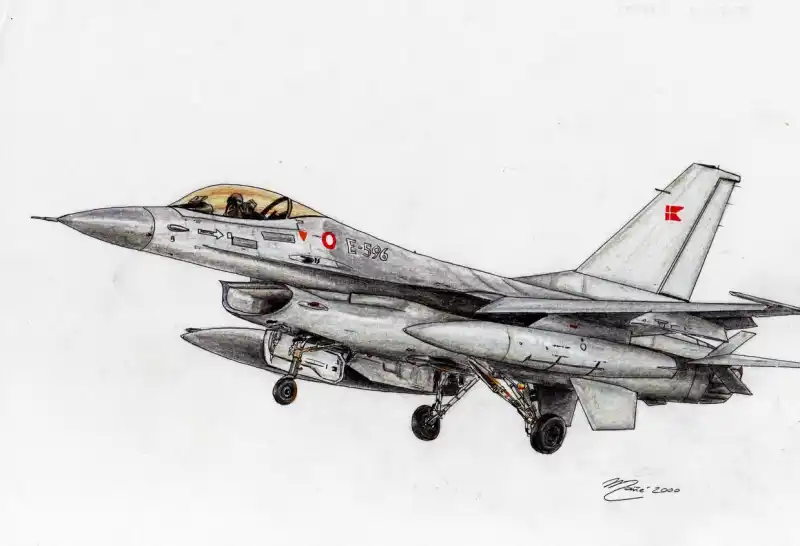
The evolution from the iconic F-16 Fighting Falcon to the modernized F-16 Viper embodies the dynamic nature of military aviation, where technology and tactical demands converge. This in-depth analysis delves into the transformation of this legendary fighter, highlighting how continuous upgrades have redefined its role from a nimble air superiority platform to a versatile, multi-role combat system. With unprecedented enhancements in radar, electronic warfare, propulsion, avionics, and weapon integration, the debate of F-16 Viper vs Falcon encapsulates a journey of technological progression and operational refinement.
Historical Evolution and Nomenclature
The F-16 Fighting Falcon made its first flight in 1974 with the YF-16 prototype, quickly establishing itself as a lightweight and agile fighter aircraft. Initially developed as a cost-effective solution to complement more robust air superiority fighters like the F-15, the Falcon earned its reputation through a combination of simplicity, reliability, and exceptional maneuverability. Early versions, ranging from Block 1 to Block 15, were primarily dedicated to air superiority missions, featuring fundamental technologies like the APG-66 mechanical scanning radar and basic electronic countermeasure systems.
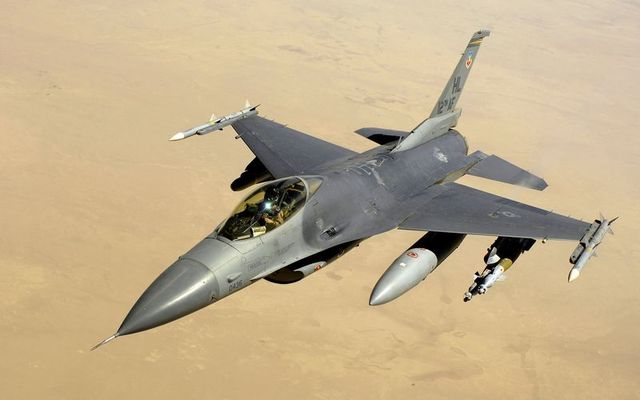
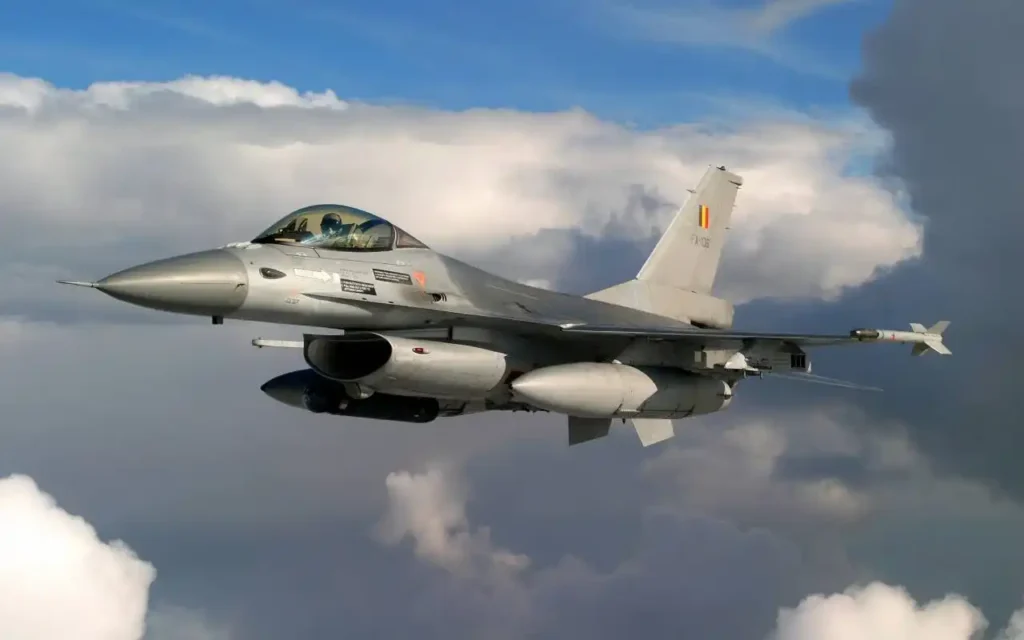
As the operational landscape evolved, so did the requirements of modern warfare. Pilots began referring to the upgraded models as the F-16 Viper—a nickname inspired by its sleek, aggressive design reminiscent of a venomous serpent. This colloquial term was eventually embraced officially, signifying a comprehensive modernization. The F-16 Viper now represents a deep technological leap, incorporating state-of-the-art systems that elevate it to the status of a fourth-and-a-half-generation fighter aircraft.
Advanced Radar and Detection Systems
Legacy Radar Systems in the Falcon
Early iterations of the F-16 Fighting Falcon were equipped with the APG-66 radar system, which, despite being revolutionary at the time, had significant limitations. The mechanically scanned radar offered a detection range of approximately 85 kilometers, which, while sufficient for the fighter’s intended roles, restricted its ability to engage targets at extended distances. The technology of the era dictated a reliance on moving parts, which inherently limited the radar’s precision and rapid target tracking capabilities.
AESA Radar: The Viper’s Technological Breakthrough
The F-16 Viper addresses these limitations head-on with the introduction of the APG-83 SABR active electronically scanned array (AESA) radar. This next-generation radar system extends the detection range to an impressive 370 kilometers, offering superior resolution and faster target acquisition. The AESA technology not only improves detection performance but also enhances the fighter’s ability to engage multiple targets simultaneously in a cluttered electronic battlefield. This upgrade has been pivotal in transforming the aircraft into a formidable multi-role combat platform, with increased situational awareness and precision in both offensive and defensive operations.
Revolutionary Electronic Warfare Capabilities
Baseline Electronic Countermeasures in the Falcon
The early F-16 Fighting Falcon relied on basic electronic countermeasure (ECM) techniques to disrupt enemy radar systems. Equipped with pods like the AN/ALQ-131, these systems were externally mounted, limiting the aircraft’s payload flexibility. Although effective in their era, these countermeasures could only provide a rudimentary level of protection against increasingly sophisticated air defense systems.
Integrated Electronic Warfare in the Viper
In stark contrast, the F-16 Viper integrates advanced electronic warfare capabilities directly into its design. The incorporation of the AN/ALQ-257 IVEWS system brings the aircraft on par with the latest electronic warfare platforms by offering ultra-wideband jamming capabilities and precise geolocation of enemy radar installations. This internal system allows the Viper to perform Suppression of Enemy Air Defenses (SEAD) missions with high effectiveness, neutralizing advanced threats such as the S-400 system. The improved EW suite ensures that the Viper can seamlessly operate in contested environments while maintaining superior stealth and survivability.
Propulsion Systems: From F100 to F110 and Beyond
Engine Performance in the Early Falcon
The original F-16 Fighting Falcon was powered by the F100-PW-200/220 engine, which delivered around 10.6 tons of thrust. This engine provided the necessary power for the aircraft’s agile performance, enabling rapid acceleration and tight maneuverability. However, as combat scenarios became more demanding and the need for higher performance grew, the limitations of the early propulsion systems became increasingly evident.
Enhanced Thrust in the Modern Viper
To address these performance demands, the F-16 Viper is commonly equipped with the F110-GE-132 engine, which produces approximately 14.4 tons of thrust. Some variants also offer the option of the Pratt & Whitney F100-PW-229, which further enhances the thrust-to-weight ratio, reaching up to 1.09. This substantial boost in power not only improves acceleration and climb rates but also allows the Viper to sustain higher speeds during combat. The enhanced propulsion system is a critical upgrade that underpins the aircraft’s ability to engage and outmaneuver adversaries in a high-threat environment.
Avionics and Cockpit Innovations
Legacy Cockpit Design in the Falcon
The early F-16 Fighting Falcon featured a cockpit that was characteristic of its time, relying on analog instruments and monochrome displays. While functional, these systems provided only limited situational awareness and required pilots to interpret data manually, which could increase workload during high-intensity engagements. The analog nature of these systems reflected the technological constraints of the era, yet the design simplicity contributed to the aircraft’s overall reliability and ease of maintenance.
State-of-the-Art Glass Cockpit in the Viper
Modern combat demands rapid information processing and real-time situational awareness—needs that are met by the F-16 Viper through its fully glass cockpit. The cockpit is equipped with high-resolution, multi-functional displays that consolidate critical flight data, target information, and navigation details into a seamless interface. The inclusion of advanced head-up display (HUD) systems and the integration of the Link-16 data link ensure that pilots receive instantaneous updates from allied units, thereby enhancing collaborative mission planning and execution. These innovations not only reduce pilot workload but also improve decision-making under pressure, making the Viper a highly effective platform in contemporary air combat.
Weapon Systems and Multi-Role Adaptability
Traditional Armament in the Falcon
The F-16 Fighting Falcon was initially engineered as an air superiority fighter with a primary focus on dogfighting. Its weapon loadout was optimized for close-range engagements, with compatibility for conventional armaments such as the AIM-9 Sidewinder and AIM-7 Sparrow missiles. While these munitions were effective in the fighter’s original role, the configuration limited its ability to perform precision ground-attack or multi-role missions.
Advanced Armament in the Viper
The transformation to the F-16 Viper is marked by a radical upgrade in weapon compatibility and integration. The modernized fighter can deploy a diverse array of munitions, including the AIM-9X Sidewinder for close-range combat, the AIM-120D Advanced Medium-Range Air-to-Air Missile (AMRAAM) for extended engagements, and precision-guided weapons such as the AGM-158 Joint Air-to-Surface Standoff Missile (JASSM) and JDAMs for ground attacks. With an increased number of hardpoints—up to 12 in certain configurations—the Viper is fully capable of executing complex multi-role missions that span air-to-air combat, interdiction, and precision ground strikes. This evolution underscores the aircraft’s ability to adapt to a wide spectrum of operational demands, thereby making it a cornerstone in modern military strategy.

Below is a detailed comparison table highlighting the core technical differences between the F-16 Fighting Falcon and the F-16 Viper:
| Feature | F-16 Falcon (Early Versions) | F-16 Viper (Modernized Versions) |
|---|---|---|
| Radar System | Mechanical scanning radar (APG-66, ~85 km range) | AESA radar (APG-83 SABR, ~370 km range) |
| Electronic Warfare | Basic EW pod (e.g., AN/ALQ-131) | Integrated AN/ALQ-257 IVEWS system |
| Propulsion | F100-PW-200/220 engine (~10.6 tons thrust) | F110-GE-132 engine (~14.4 tons thrust) or F100-PW-229 |
| Avionics & Cockpit | Analog instruments, limited situational awareness | Full glass cockpit, high-resolution displays, Link-16 |
| Weapon Compatibility | Primarily AIM-9, AIM-7 | Advanced munitions: AIM-9X, AIM-120D, AGM-158, JDAM |
Multi-Role Operational Capabilities
Falcon’s Air Superiority Roots
Designed during the Cold War era, the F-16 Fighting Falcon was a response to the need for an agile, cost-effective fighter that could dominate in close-range dogfights. Its lightweight design and high maneuverability allowed it to excel in air-to-air combat, particularly during high-intensity engagements. Historic missions during conflicts such as the Gulf War and engagements like the Bekka Valley air battles underscored the Falcon’s capability in executing air dominance strategies. Despite its limitations in versatility, the Falcon’s performance in these conflicts cemented its reputation as a reliable combat aircraft.
Viper’s Transformation into a Multi-Role Powerhouse
In the current era of network-centric and multi-domain warfare, the F-16 Viper is engineered to operate beyond the traditional confines of air superiority. Its modernized systems empower it to perform a range of critical missions, including:
- Suppression of Enemy Air Defenses (SEAD): Advanced electronic warfare systems enable the Viper to disable sophisticated radar installations and air defense networks.
- Precision Ground Attacks: The integration of high-accuracy munitions, such as JDAMs and AGM-158 missiles, ensures that the Viper can deliver surgical strikes against high-value ground targets.
- Air-to-Air Combat: Enhanced radar and weapon systems allow the Viper to engage enemy fighters with improved situational awareness and lethal precision.
- Network-Centric Operations: With the inclusion of the Link-16 data link and modern avionics, the Viper integrates seamlessly into joint operations, sharing real-time battlefield data with allied assets, including fifth-generation fighters.
These capabilities represent a strategic shift from a singular focus on air superiority to a comprehensive, multi-role combat solution that addresses the multifaceted challenges of modern warfare.
Export Success and Global Impact
Falcon’s Legacy in International Markets
Over decades of service, the F-16 Fighting Falcon has built an enduring legacy as a cost-effective, reliable, and versatile fighter aircraft. Its widespread adoption by numerous air forces around the globe is a testament to its robust design and operational flexibility. Despite being developed decades ago, the Falcon’s performance in various combat scenarios and training missions continues to influence fighter design philosophies worldwide.
Viper’s Competitive Edge in the International Arena
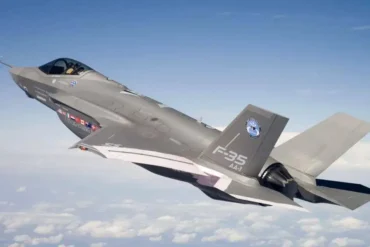
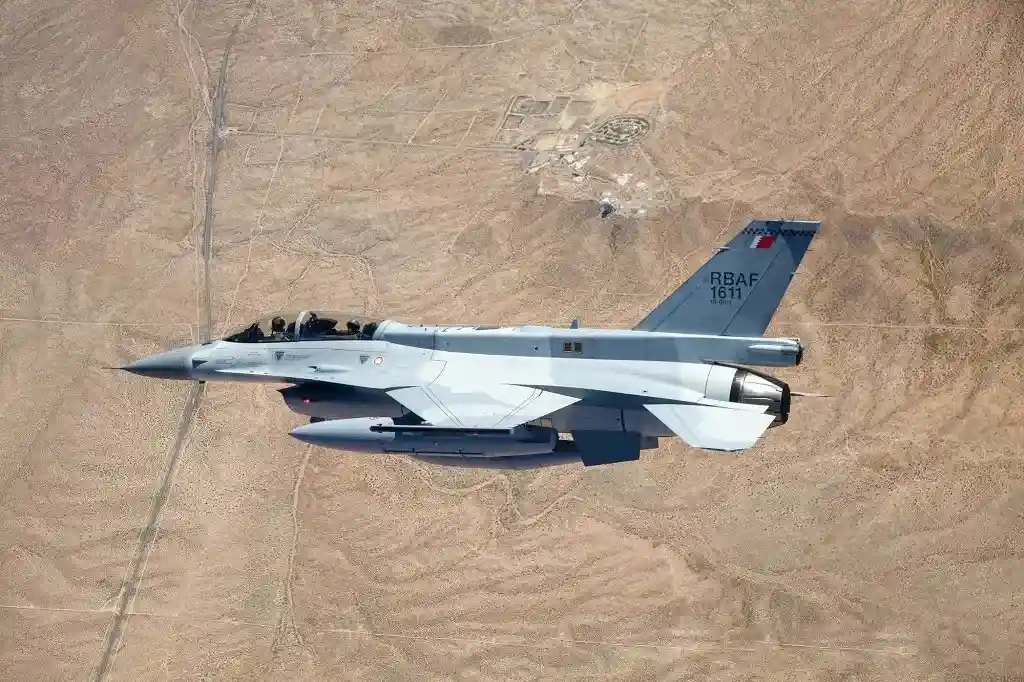
Building on the Falcon’s legacy, the F-16 Viper offers an attractive proposition for international buyers seeking advanced capabilities without the premium cost associated with fifth-generation platforms. With a unit price estimated at around $70 million—roughly one-third the cost of an F-35—the Viper provides a high cost-performance ratio that appeals to nations with budgetary constraints yet high operational requirements. Countries such as Bahrain and Bulgaria have already incorporated the Viper into their fleets, recognizing its ability to perform in diverse combat scenarios. Its successful operational track record in theaters such as the Ukrainian conflict further validates its role as a competitive and reliable asset in modern air combat.
Operational Strategies and Future Prospects
Adapting to Modern Combat Scenarios
The transition from the F-16 Fighting Falcon to the F-16 Viper mirrors the broader shift in military strategy, where the integration of advanced digital systems and network-centric capabilities is paramount. Modern combat is defined by rapid information exchange and the ability to respond to evolving threats in real time. The Viper’s modular design allows for continuous integration of emerging technologies, ensuring that it remains a potent force in the face of future adversaries.
Interoperability and Network Integration
One of the standout features of the F-16 Viper is its ability to operate as part of an interconnected combat network. The integration of advanced data links, such as Link-16, facilitates seamless communication between various platforms—ranging from ground control stations to fifth-generation fighters like the F-35. This interoperability not only enhances tactical coordination but also ensures that the Viper can rapidly adapt to changing battlefield conditions, thereby providing a critical edge in multi-domain operations.
Sustainability and Upgrade Potential
Future-proofing is a key consideration in modern fighter design, and the F-16 Viper is no exception. Its modular architecture supports continuous upgrades in avionics, radar, and weapon systems, allowing operators to extend its service life while incorporating the latest technological innovations. This design philosophy ensures that the Viper remains relevant in the rapidly evolving landscape of aerial combat, offering sustained performance improvements over its operational lifespan.
Technological Innovations: Bridging Generations of Air Combat
The Role of Software and Digital Systems
The dramatic shift from analog to digital systems in the cockpit has redefined pilot interactions with the aircraft. The modern avionics suite in the F-16 Viper leverages cutting-edge software to integrate radar, navigation, and targeting information into a unified interface. This digital transformation not only streamlines pilot workload but also enhances mission accuracy and responsiveness, effectively bridging the technological gap between fourth-generation and fifth-generation fighter capabilities.
Stealth and Survivability Enhancements
While the F-16 Viper is not a stealth aircraft by traditional definitions, it incorporates several design elements to reduce its radar cross-section and enhance survivability. Techniques such as conformal fuel tanks, internal carriage of certain munitions, and advanced electronic countermeasures contribute to a reduced detection profile. These improvements, coupled with the aircraft’s superior electronic warfare systems, allow it to operate effectively in contested environments where stealth and survivability are paramount.
Comparative Analysis: Falcon vs Viper in Modern Combat
The transformation from the F-16 Fighting Falcon to the F-16 Viper is a case study in technological evolution. Key areas of differentiation include:
- Detection Range: The leap from an 85 km detection range with the APG-66 to a 370 km range with the APG-83 SABR AESA radar exemplifies the quantum improvement in situational awareness.
- Electronic Warfare: The integrated AN/ALQ-257 system in the Viper vastly outperforms the basic EW pods of the Falcon, enabling superior countermeasures against modern threats.
- Propulsion: Enhanced engine performance in the Viper translates to better acceleration, climb rate, and overall combat agility.
- Avionics: Transitioning from analog gauges to a full glass cockpit revolutionizes pilot interface and reduces cognitive load during critical mission phases.
- Mission Flexibility: The Viper’s capability to support a diverse range of advanced munitions underscores its transformation into a true multi-role fighter.
Training, Integration, and Pilot Proficiency
Enhanced Training Programs
The adoption of the F-16 Viper necessitates an evolution in pilot training protocols. Modern simulators now incorporate advanced digital systems that mirror the Viper’s cutting-edge avionics and sensor suites. This enhanced training environment ensures that pilots are well-versed in the aircraft’s operational intricacies, from advanced radar management to integrated network-centric combat operations. The transition from the Falcon’s traditional cockpit to the Viper’s fully integrated glass cockpit has required pilots to adapt to a higher level of situational awareness and decision-making precision.
Operational Integration in Joint Missions
Modern warfare increasingly relies on the seamless integration of various platforms. The F-16 Viper is designed to operate in close coordination with other assets, ranging from unmanned aerial systems (UAS) to fifth-generation fighters. Its advanced data links enable real-time communication, ensuring that pilots receive accurate battlefield intelligence and can coordinate strikes effectively. This interoperability is crucial in multi-domain operations where the ability to share data and respond collaboratively can be the difference between mission success and failure.
Economic Considerations and Global Partnerships
Cost-Effectiveness and Budgetary Impact
The economic appeal of the F-16 Viper is underscored by its competitive unit price of approximately $70 million—a fraction of the cost of more advanced platforms like the F-35. This affordability, combined with the Viper’s robust upgrade potential, makes it an attractive option for air forces worldwide seeking to modernize their fleets without incurring prohibitive expenses. The cost-effective nature of the Viper ensures that it remains a viable option for nations with limited defense budgets while still delivering cutting-edge performance.
Global Partnerships and Strategic Alliances
The export success of the F-16 Fighting Falcon laid the foundation for a network of global partnerships, which have only expanded with the advent of the F-16 Viper. Countries such as Bahrain, Bulgaria, and other strategic allies have recognized the benefits of incorporating a modernized, versatile fighter into their air defense strategies. These partnerships not only bolster regional security but also foster collaborative efforts in technology sharing, joint training exercises, and integrated defense planning.
Future Prospects and Strategic Implications
Anticipating Emerging Threats
As global security challenges continue to evolve, the strategic relevance of the F-16 Viper is set to increase. With adversaries developing more sophisticated air defense systems and advanced aerial platforms, the Viper’s continuous upgrade path positions it as a critical asset in countering emerging threats. Its ability to integrate new technologies—ranging from enhanced sensors to improved electronic warfare suites—ensures that it remains on the cutting edge of aerial combat capability.
Long-Term Viability and Modernization Roadmap
The design philosophy behind the F-16 Viper emphasizes not only immediate operational excellence but also long-term viability. Its modular construction and upgrade-friendly architecture allow operators to incorporate future innovations with minimal structural modifications. This sustainability is a key factor in maintaining air superiority over extended periods, as it enables the aircraft to adapt to both technological advancements and shifting combat paradigms.
Conclusion: Redefining a Fighter Legacy
The comprehensive analysis of F-16 Viper vs Falcon reveals a transformative evolution that transcends mere technical upgrades. The F-16 Fighting Falcon established itself as a reliable, cost-effective workhorse, setting the stage for decades of air combat excellence. In contrast, the F-16 Viper represents a bold reimagining of the original platform—integrating modern radar, enhanced electronic warfare, superior propulsion, and state-of-the-art avionics to meet the multifaceted demands of contemporary warfare.
In a world where the speed of technological innovation directly influences the dynamics of aerial combat, the F-16 Viper stands as a symbol of progress. Its evolution from a specialized air superiority fighter to a versatile multi-role combat system encapsulates the essence of modern military strategy—a blend of affordability, adaptability, and advanced technology. As nations continue to invest in upgrading their air combat fleets, the legacy of the F-16 platform endures, now redefined by the groundbreaking capabilities of the Viper.
This detailed exploration underscores that the journey from F-16 Falcon to Viper is not merely about increased numbers on performance charts; it is about transforming an iconic fighter into a platform that can seamlessly integrate into the fabric of 21st-century warfare. With its comprehensive suite of upgrades, the Viper is equipped to handle a diverse range of missions—from dominating aerial dogfights to executing precise ground strikes—ensuring that it remains a linchpin in modern air defense strategies.
By embracing continuous technological evolution and fostering global partnerships, the F-16 Viper sets a high benchmark in military aviation. Its strategic significance is further amplified by its ability to integrate into network-centric warfare environments, where real-time data exchange and coordinated operations are paramount. As future conflicts demand ever-greater adaptability and precision, the transformation of the F-16 platform into the Viper serves as a powerful reminder that innovation, when paired with legacy design principles, can redefine the boundaries of aerial combat.
In summary, the F-16 Viper vs Falcon analysis not only highlights the technical and operational advancements that distinguish the two variants but also reflects a broader narrative of continuous improvement and strategic foresight in military aviation. The F-16 Viper is poised to remain a cornerstone of global air power, a testament to decades of engineering excellence and the relentless pursuit of battlefield superiority.