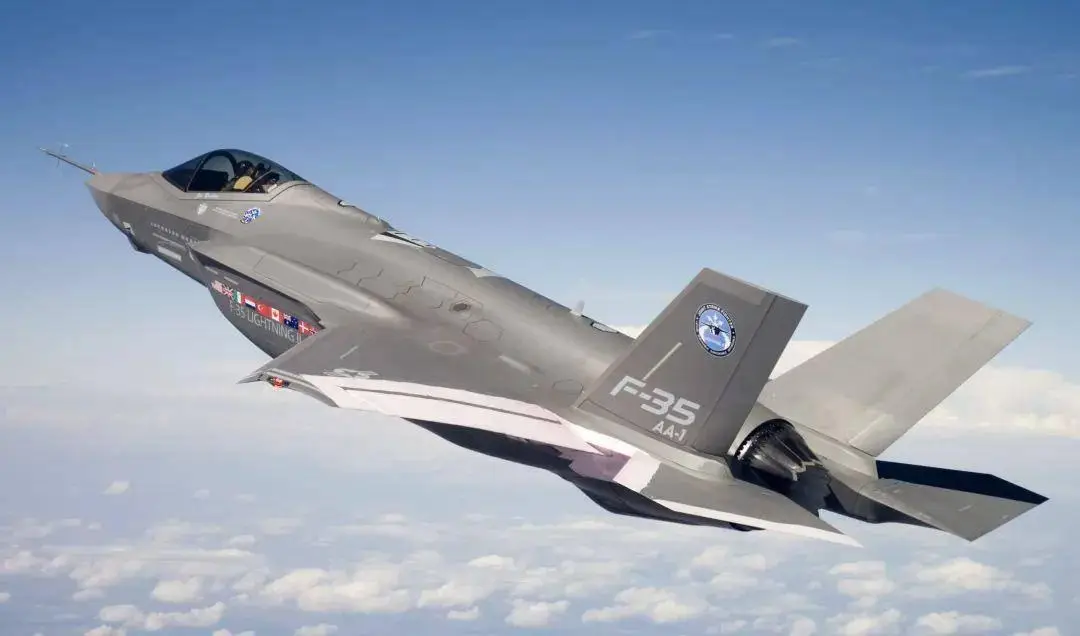
The F-35 Lightning II, a fifth-generation multirole stealth fighter, was once projected to revolutionize modern air combat. Positioned as the most technologically advanced aircraft in the U.S. arsenal, it promised unmatched capabilities in stealth, situational awareness, and networked warfare. Yet, more than two decades since its inception, the F-35 program remains mired in a litany of issues. These challenges span technical faults, strategic vulnerabilities, supply chain fragility, and astronomical costs—collectively raising fundamental questions about its long-term viability.
The aircraft, developed by Lockheed Martin, was designed to serve the air forces, navies, and marine corps of the U.S. and allied nations through three variants: the F-35A (conventional takeoff and landing), F-35B (short takeoff/vertical landing), and F-35C (carrier variant). However, delays, cost overruns, and persistent technical issues have led to public scrutiny and political intervention, underscoring a severe disconnect between promise and performance.
Technical Deficiencies: Complexity Beyond Control
Software Instability and Integration Problems
The backbone of the F-35’s innovation lies in its software architecture, which consists of nearly 1900 million lines of code—three times more than Microsoft Windows 10. This monumental software complexity, rather than providing a tactical edge, has led to persistent failures. The Technology Refresh 3 (TR-3) upgrade, which was supposed to enhance radar, sensor fusion, and weapon systems, has instead introduced additional delays and instability.
Subsystems that were conceptualized during the late 1990s are now incompatible with current digital standards, resulting in electromagnetic interference, particularly under high-intensity electronic warfare conditions. Critical systems—such as communications, sensor fusion, and threat detection—suffer cascading faults under operational stress.
Power and Thermal Management Crisis
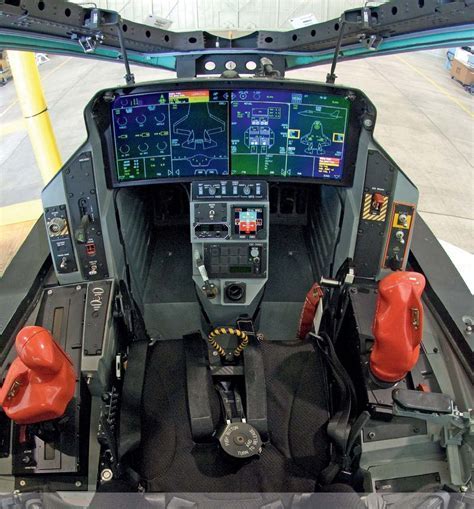
The Power and Thermal Management System (PTMS), vital for both propulsion and electronics, was originally designed to manage 30 kW. Modernized configurations now demand over 60 kW, overwhelming the cooling system. The consequences include fuel overheating, elevated infrared signatures, and reduced mission range. This cooling inadequacy also affects stealth characteristics, as it forces engine throttling and limits afterburner usage.
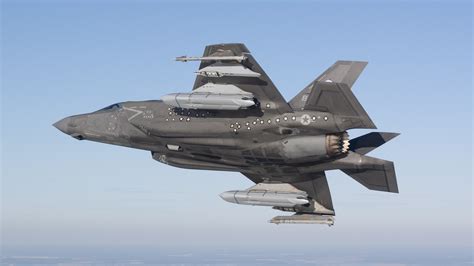
Notably, the F-35B and F-35C variants suffer from lift fan limitations and engine blade fatigue, resulting in abrupt failures during vertical lift operations. These engine issues are exacerbated during high-G maneuvers, where structural integrity is compromised, leading to cracked turbine blades and unanticipated maintenance downtime.
Strategic Obsolescence in an Evolving Battlefield
Losing the Technological Advantage
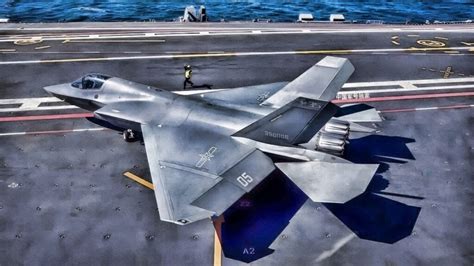
When the F-35 was first announced, no peer rival existed. However, the rise of China’s J-35 and Russia’s Su-75 Checkmate has diminished the F-35’s aura of superiority. The J-35, reportedly equipped with quantum radar, now challenges the F-35’s once unmatched stealth advantage. In terms of speed, the F-35 maxes out at Mach 1.6, whereas the J-35 surpasses Mach 2.2.
Chinese-developed PL-15 missiles, with extended ranges exceeding 300 km, now outperform U.S. air-to-air systems. The implications are sobering: in a modern dogfight, the F-35 may be detected first and engaged before it can retaliate.
Combat Readiness Under Scrutiny
Multiple simulations conducted by the U.S. Air Force and NATO indicate the F-35 is vulnerable to integrated air defense systems, especially those incorporating multi-spectrum targeting algorithms. Additionally, the aircraft has shown limited resistance to cyberattacks, raising fears of remote deactivation or sensor spoofing.
Ballooning Costs and Legislative Pushback
Uncontrolled Budget Expansion
Initially pitched as a cost-effective multirole solution, the F-35’s price tag has escalated alarmingly. While the per-unit acquisition cost has fluctuated between $90 million and $135 million, total lifecycle costs are now projected to exceed $1.7 trillion. Certain fully equipped variants have cost the Department of Defense upwards of $2 billion each when factoring in maintenance, training, and parts.
Congressional Roadblocks and Oversight
In 2024, the U.S. Congress took the unprecedented step of blocking delivery of 20 F-35s, demanding answers to longstanding issues. The Government Accountability Office (GAO) published a detailed audit highlighting systemic flaws in procurement, testing inefficiencies, and logistical mismanagement. Congress has since withheld further funding until Lockheed Martin and the Pentagon deliver measurable reforms.

Fragile and Overextended Supply Chains
Dependency on Geopolitical Rivals
The production of the F-35 depends heavily on rare-earth elements like gallium and germanium, both of which fall under China’s export control regime. As trade tensions rise, these dependencies have crippled manufacturing consistency, especially in radar module construction and engine metallurgy. Cold War-era reserves have been reactivated to fill gaps, but these materials often fall below modern purity standards.
Semiconductor and Composite Material Bottlenecks
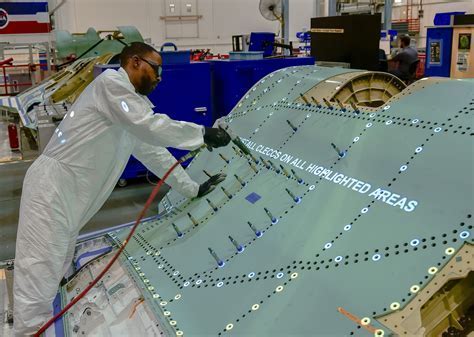
Global shortages of field-programmable gate arrays (FPGAs) and military-grade carbon composites have impacted avionics and fuselage repairs. Delays in receiving these components have extended maintenance turnaround from 30 days to nearly 90 days per aircraft. This also affects interoperability with NATO allies, many of whom cannot upgrade their F-35s due to backlogged supply chains.
Operational Bottlenecks and Logistical Strain
High Maintenance Demands
While the stealth skin of the F-35 enhances radar evasion, it is notoriously delicate. A single minor tear can cost up to $400,000 to fix. Furthermore, the Autonomic Logistics Information System (ALIS)—once praised as an AI-driven maintenance tracker—has proven unreliable. It frequently generates false-positive diagnostics, forcing ground crews to bypass it entirely in favor of manual inspections.
This inefficiency inflates the cost-per-flight hour to an unsustainable $44,000, exceeding even the F-22 Raptor’s operating costs.
Deployment and Carrier Constraints
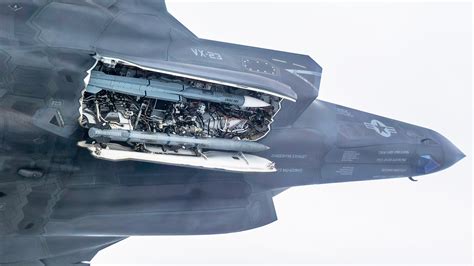
Designed to operate across air force bases, carriers, and amphibious ships, the F-35’s bulk and heat management limitations make it incompatible with smaller naval vessels. The F-35B variant, meant for short-runway carriers, cannot sustain full sortie cycles due to inadequate cooling and cramped below-deck servicing capacity. This limits U.S. Navy flexibility, particularly in the Pacific theater where expeditionary assault ships are the primary mode of force projection.
Conclusion: A Paradigm in Crisis
The F-35 represents both the technological ambition and bureaucratic inertia of 21st-century military procurement. While the aircraft incorporates cutting-edge sensors and stealth design, its inability to evolve with emerging threats, skyrocketing costs, and persistent technical faults casts a long shadow over its operational future.
As nations like China and Russia innovate rapidly and agilely, the U.S. and its allies must reassess the long-term strategic value of relying on the F-35 platform. Whether through modular redesigns, diversified supply chains, or the development of sixth-generation platforms, the future of air dominance cannot rest on legacy bets.
Frequently Asked Questions
Why is the F-35’s software so problematic?
The F-35’s software is extraordinarily complex, comprising nearly 1900 million lines of code. This level of intricacy results in frequent bugs, update delays, and compatibility issues with legacy systems. Integration with older hardware further amplifies the likelihood of electromagnetic interference and operational failures during missions.
How does the F-35 compare to China’s J-35 fighter?
China’s J-35 offers comparable or superior capabilities in some respects. It reportedly features quantum radar, superior top speed, and advanced long-range missile systems. These developments place significant pressure on the F-35’s air superiority narrative and expose its vulnerabilities in stealth and engagement range.
Is the F-35 program still viable for the future?
While the F-35 remains central to many allied air forces, its long-term viability is in question due to high operating costs, supply chain fragility, and strategic obsolescence. Without substantial reforms, including hardware redesign and operational simplification, the program risks becoming a cautionary tale in defense spending mismanagement.